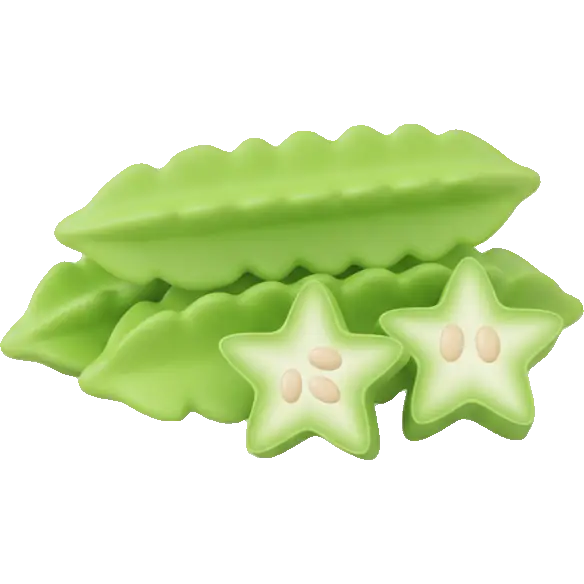
winged beans
Legumes/Pulses
Is winged beans vegetarian-compatible?
See whether winged beans fits a vegetarian diet, with a clear compatible-or-avoid verdict plus its FODMAP, histamine and other trigger ratings in one place.
Related checkers
Compare winged beans across criteria
Sensitivity notes
Why vegetarian diet checker matters
A vegetarian diet excludes meat and fish but may include dairy products and eggs. It focuses on plant foods with optional animal-derived products like milk, cheese, and eggs.
- Eggs and dairy can help meet protein needs
- Include a variety of plant proteins for balanced nutrition
- Iron-rich foods pair well with vitamin C
- Don't rely too heavily on cheese as a protein source
- B12 is still important if limiting animal products
Sensitivities
What winged beans contains
FODMAPs
Histamine & Amines
Plant compounds
Irritants
Additives
Allergens
Diet fit
Where winged beans fits
Therapeutic diets
Lifestyle diets
Religious diets
What to know about winged beans
The winged bean is the plant agronomists once nicknamed a supermarket on a stalk, because you can eat the frilled young pods, the leaves, the flowers, the seeds and the starchy tuber from a single vine. For a trigger journal that abundance is the complication: the five parts do not behave the same way, and the grades here describe the bean itself. Galacto-oligosaccharides come in at E and total FODMAPs at D, which is legume behaviour and the main reason winged bean sits badly with an IBS gut. Fermentation grades D for SIBO and nickel sits at C. Nearly everything else is mild rather than clean: histamine, salicylates, oxalate, tyramine and free glutamate all land at B, and it is clear on gluten, lactose, dairy protein, sulfites, nitrites and nightshades.
Watch for
- Galacto-oligosaccharides grade E, the single worst thing about it for a sensitive gut, and the mature seeds carry more of that load than the young pods do
- Total FODMAPs grade D and SIBO fermentation grades D, so if you are mid-elimination this is not a neutral vegetable just because it looks like a green bean
- The mature seeds need real cooking.Like soy they carry trypsin inhibitors that heat deactivates, so raw or lightly warmed seeds are a bad idea while the young pods are routinely eaten barely cooked
- Which part you ate matters more here than with almost any other food.Log the pod, the leaf and the tuber separately or your pattern will be unreadable
- Nickel grades C and histamine, salicylate, oxalate and tyramine all sit at B, so nothing else is high but nothing else is spotless either.Expect it to read as background rather than a spike


Explore related in Legumes/Pulses
Compare similar foods to build a personalized list of swaps that work for your system.

Vegetarian Guide
Everything you need to know about vegetarian compatibility and smart food choices.
A vegetarian diet excludes meat and fish but may include dairy products and eggs. It focuses on plant foods with optional animal-derived products like milk, cheese, and eggs.
These foods are typically compatible with a Vegetarian approach:
View all safe options







Practical guidance for following a Vegetarian diet:
- 1Eggs and dairy can help meet protein needs
- 2Include a variety of plant proteins for balanced nutrition
- 3Iron-rich foods pair well with vitamin C
- 4Don't rely too heavily on cheese as a protein source
- 5B12 is still important if limiting animal products
Pro tip: Keep a food diary to track your reactions. The Triggerbites app makes this easy with automatic pattern detection.
Want personalized tracking?
Download Triggerbites to log meals, track symptoms, and discover your unique triggers.
Get the AppFAQ
Does winged beans fit a vegetarian diet?
Vegetarian: fits well for most plans.
What if I eat it occasionally?
Still check preparation and add-ins.
What are safer swaps?
Compare within the Legumes/Pulses group.