
sucrose
Sweeteners
Is sucrose vegetarian-compatible?
See whether sucrose fits a vegetarian diet, with a clear compatible-or-avoid verdict plus its FODMAP, histamine and other trigger ratings in one place.
Related checkers
Compare sucrose across criteria
Sensitivity notes
Why vegetarian diet checker matters
A vegetarian diet excludes meat and fish but may include dairy products and eggs. It focuses on plant foods with optional animal-derived products like milk, cheese, and eggs.
- Eggs and dairy can help meet protein needs
- Include a variety of plant proteins for balanced nutrition
- Iron-rich foods pair well with vitamin C
- Don't rely too heavily on cheese as a protein source
- B12 is still important if limiting animal products
Sensitivities
What sucrose contains
FODMAPs
Histamine & Amines
Plant compounds
Irritants
Additives
Allergens
Diet fit
Where sucrose fits
Therapeutic diets
Lifestyle diets
Religious diets
What to know about sucrose
Sucrose is table sugar described by its chemistry: one glucose molecule bonded to one fructose molecule. Because that pairing is balanced, sucrose is not an excess-fructose food, and it grades low FODMAP at ordinary serves. It carries no gluten, no lactose, no histamine, no salicylates and no oxalate, so as a food chemical it is one of the quietest things in the pantry. The interesting part is the enzyme. Sucrose has to be cut in half before you can absorb it, by sucrase-isomaltase in the brush border of the small intestine. When that enzyme runs short the sugar travels on to bacteria that ferment it, and the result looks exactly like IBS: gas, distension, urgency and watery stools an hour or two after anything sweet or starchy. Beyond that, sucrose rates borderline on low-fermentation SIBO plans and pro-inflammatory as a refined carbohydrate.
Watch for
- Congenital sucrase-isomaltase deficiency (CSID) is the one true sucrose intolerance.It affects roughly 0.2 percent of people of European descent and is far more common in Alaska Native and Greenlandic Inuit populations, and it is routinely misdiagnosed as IBS with diarrhoea. It is confirmed with a duodenal disaccharidase assay, a sucrose breath test or genetic testing, and enzyme replacement exists.
- Sucrase activity can also drop temporarily after gastroenteritis, coeliac disease or other injury to the small-bowel lining, so a sugar intolerance that appears suddenly in adulthood is not necessarily inherited and often improves as the mucosa heals.
- Rated borderline on low-fermentation SIBO protocols.Sucrose is normally absorbed high in the small intestine, but with bacterial overgrowth it gets fermented before you ever get to it, which is why sweet foods can feel worse than the FODMAP grade suggests.
- Pro-inflammatory as a refined carbohydrate, and only a moderate fit for DASH and Mediterranean patterns.That is a metabolic argument rather than a sensitivity one, and it applies to the quantity rather than to any trigger compound.
- Reacting to apples, pears, mango and honey while tolerating table sugar points to excess fructose, not sucrose.Sucrose delivers its fructose in a one to one ratio with glucose, which is precisely why it does not behave like free fructose.

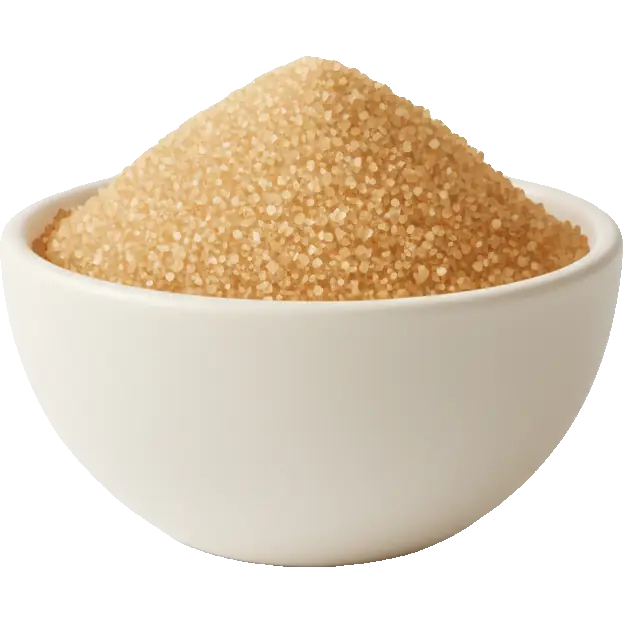
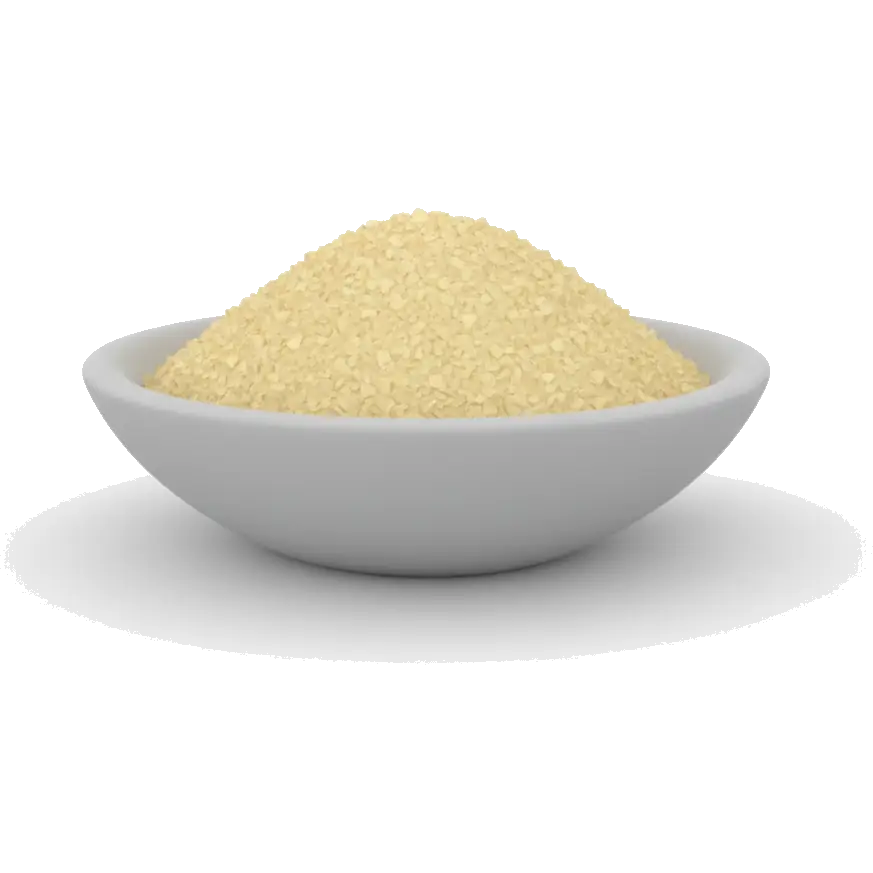


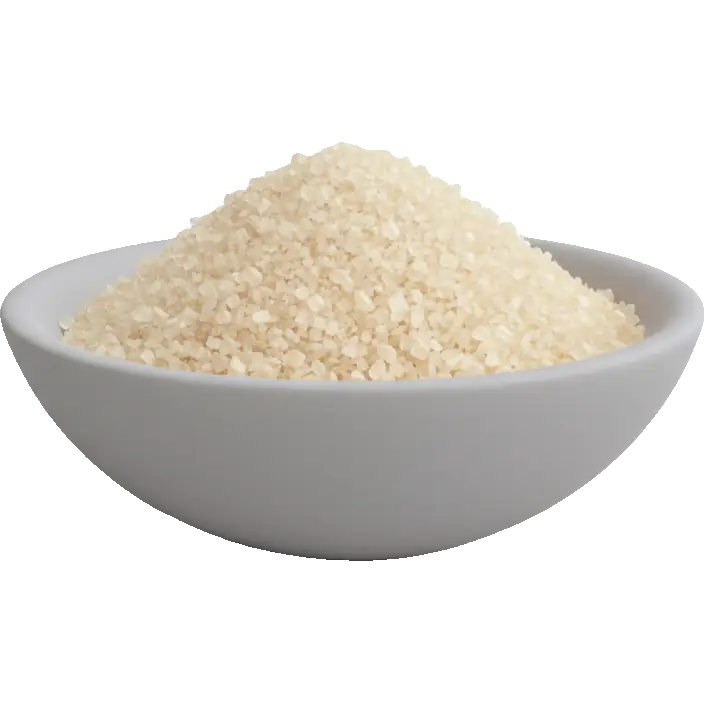
Explore related in Sweeteners
Compare similar foods to build a personalized list of swaps that work for your system.
Vegetarian Guide
Everything you need to know about vegetarian compatibility and smart food choices.
A vegetarian diet excludes meat and fish but may include dairy products and eggs. It focuses on plant foods with optional animal-derived products like milk, cheese, and eggs.
These foods are typically compatible with a Vegetarian approach:
View all safe options






Practical guidance for following a Vegetarian diet:
- 1Eggs and dairy can help meet protein needs
- 2Include a variety of plant proteins for balanced nutrition
- 3Iron-rich foods pair well with vitamin C
- 4Don't rely too heavily on cheese as a protein source
- 5B12 is still important if limiting animal products
Pro tip: Keep a food diary to track your reactions. The Triggerbites app makes this easy with automatic pattern detection.
Want personalized tracking?
Download Triggerbites to log meals, track symptoms, and discover your unique triggers.
Get the AppFAQ
Does sucrose fit a vegetarian diet?
Vegetarian: fits well for most plans.
What if I eat it occasionally?
Still check preparation and add-ins.
What are safer swaps?
Compare within the Sweeteners group.