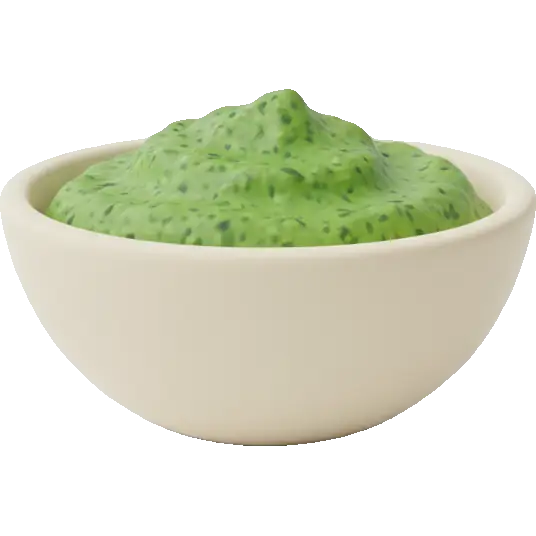
pesto
Condiments & Sauces
Is pesto vegetarian-compatible?
See whether pesto fits a vegetarian diet, with a clear compatible-or-avoid verdict plus its FODMAP, histamine and other trigger ratings in one place.
Related checkers
Compare pesto across criteria
Sensitivity notes
Why vegetarian diet checker matters
A vegetarian diet excludes meat and fish but may include dairy products and eggs. It focuses on plant foods with optional animal-derived products like milk, cheese, and eggs.
- Eggs and dairy can help meet protein needs
- Include a variety of plant proteins for balanced nutrition
- Iron-rich foods pair well with vitamin C
- Don't rely too heavily on cheese as a protein source
- B12 is still important if limiting animal products
Sensitivities
What pesto contains
FODMAPs
Histamine & Amines
Plant compounds
Irritants
Additives
Allergens
Diet fit
Where pesto fits
Therapeutic diets
Lifestyle diets
Religious diets
What to know about pesto
Pesto is a composite sauce, so its triggers stack from several ingredients at once rather than coming from one. The parmesan makes it high in free glutamate and dairy protein, the garlic makes it high in fructans, and the basil adds a moderate salicylate load. That is why people who eat plain pasta without trouble still react to pesto: a single spoonful hits an MSG-reactive or FODMAP-sensitive person harder than any one of those foods would on its own.
Watch for
- High in free glutamates from the aged parmesan, the same naturally occurring umami compound behind MSG-style reactions such as headache, flushing and sinus congestion
- High in dairy protein from the cheese, so it is off-limits if you react to casein or whey, and it is not vegan
- High in fructans from the garlic, a common FODMAP trigger for bloating and gas even in small amounts
- Moderate salicylates from the basil, worth noting if you are salicylate-sensitive and eating it alongside other salicylate-rich foods



Explore related in Condiments & Sauces
Compare similar foods to build a personalized list of swaps that work for your system.
Vegetarian Guide
Everything you need to know about vegetarian compatibility and smart food choices.
A vegetarian diet excludes meat and fish but may include dairy products and eggs. It focuses on plant foods with optional animal-derived products like milk, cheese, and eggs.
These foods are typically compatible with a Vegetarian approach:
View all safe options







Practical guidance for following a Vegetarian diet:
- 1Eggs and dairy can help meet protein needs
- 2Include a variety of plant proteins for balanced nutrition
- 3Iron-rich foods pair well with vitamin C
- 4Don't rely too heavily on cheese as a protein source
- 5B12 is still important if limiting animal products
Pro tip: Keep a food diary to track your reactions. The Triggerbites app makes this easy with automatic pattern detection.
Want personalized tracking?
Download Triggerbites to log meals, track symptoms, and discover your unique triggers.
Get the AppFAQ
Does pesto fit a vegetarian diet?
Vegetarian: mixed fit - check ingredients.
What if I eat it occasionally?
Keep portions small and verify ingredients.
What are safer swaps?
Compare within the Condiments & Sauces group.