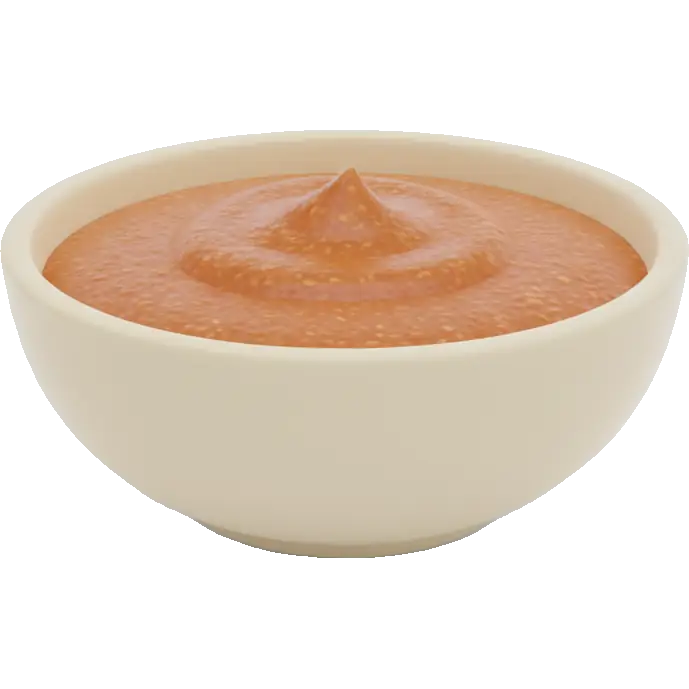
satay sauce
Condiments & Sauces
Is satay sauce vegan-compatible?
See whether satay sauce fits a vegan diet, with a clear compatible-or-avoid verdict plus its FODMAP, histamine and other trigger ratings in one place.
Related checkers
Compare satay sauce across criteria
Sensitivity notes
Why vegan diet checker matters
A vegan diet excludes all animal products including meat, dairy, eggs, and honey. It focuses on plant-based foods like vegetables, fruits, grains, legumes, nuts, and seeds.
- Ensure adequate protein from varied plant sources
- Supplement B12 - it's essential and not available from plants
- Consider omega-3 from algae-based supplements
- Iron from plants requires vitamin C for better absorption
- Plan meals to ensure complete amino acid profiles
Sensitivities
What satay sauce contains
FODMAPs
Histamine & Amines
Plant compounds
Irritants
Additives
Allergens
Diet fit
Where satay sauce fits
Therapeutic diets
Lifestyle diets
Religious diets
What to know about satay sauce
Satay sauce is peanut sauce, and peanut is a declared major allergen and one of the most common causes of food-related anaphylaxis. That makes satay a serious hidden-source problem rather than a sensitivity question: it turns up as a dip, a marinade, a noodle dressing and a drizzle on salads and skewers, often unnamed on a menu, and shared woks, tongs and skewer grills add cross-contact risk even to dishes that do not contain it. If you have a diagnosed peanut allergy, none of the grading below changes the answer, which is avoid and ask. For everyone else, the intolerance picture is a stack of moderates around one high point: we grade satay high for fructans and FODMAPs from the garlic and shallot base, moderate for GOS from the peanuts themselves, moderate for gluten because the soy sauce in most recipes is wheat brewed, moderate for nickel, moderate for nightshade from the chilli, and moderate across histamine, histamine liberation, tyramine and free glutamate from the fermented soy. It is clean on lactose and dairy protein.
Watch for
- Peanut is a declared major allergen with real anaphylaxis risk, and satay is a classic hidden source.Ask the kitchen directly, including about shared grills and utensils, and carry prescribed emergency medication if you are allergic
- High in fructans and high FODMAP overall.The garlic and shallot paste under the peanuts is the main driver, and peanuts add moderate GOS on top
- Graded moderate for gluten.Most satay recipes include soy sauce or kecap manis, and both are usually brewed with wheat, so satay is not reliably gluten free
- Moderate for nickel.Peanuts are a legume and legumes sit among the higher nickel foods, which matters if you have systemic nickel allergy rather than a peanut allergy
- Moderate for nightshade from the chilli, and moderate across histamine, histamine liberation, tyramine and glutamate from the fermented soy base




Explore related in Condiments & Sauces
Compare similar foods to build a personalized list of swaps that work for your system.

Vegan Guide
Everything you need to know about vegan compatibility and smart food choices.
A vegan diet excludes all animal products including meat, dairy, eggs, and honey. It focuses on plant-based foods like vegetables, fruits, grains, legumes, nuts, and seeds.
These foods are typically compatible with a Vegan approach:
View all safe options







Practical guidance for following a Vegan diet:
- 1Ensure adequate protein from varied plant sources
- 2Supplement B12 - it's essential and not available from plants
- 3Consider omega-3 from algae-based supplements
- 4Iron from plants requires vitamin C for better absorption
- 5Plan meals to ensure complete amino acid profiles
Pro tip: Keep a food diary to track your reactions. The Triggerbites app makes this easy with automatic pattern detection.
Want personalized tracking?
Download Triggerbites to log meals, track symptoms, and discover your unique triggers.
Get the AppFAQ
Does satay sauce fit a vegan diet?
Vegan: mixed fit - check ingredients.
What if I eat it occasionally?
Keep portions small and verify ingredients.
What are safer swaps?
Compare within the Condiments & Sauces group.