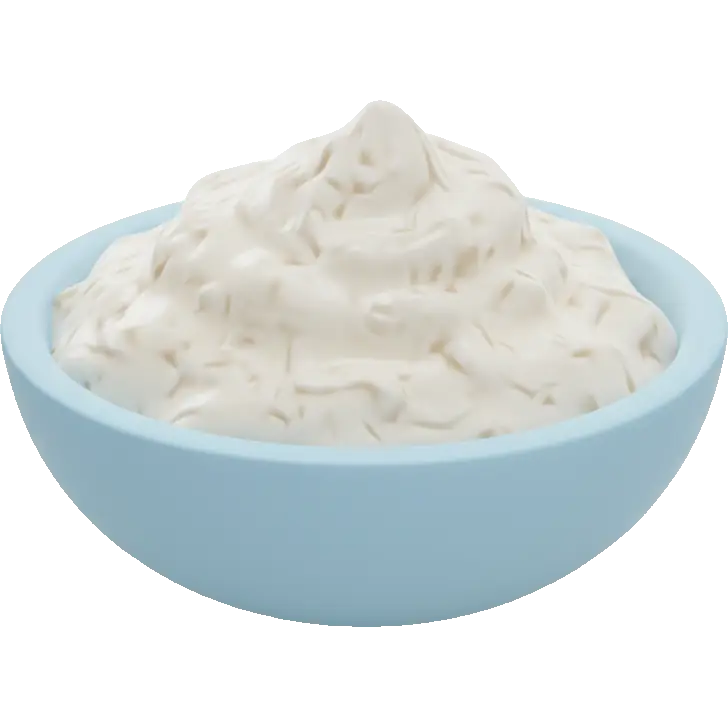
horseradish sauce
Condiments & Sauces
Is horseradish sauce vegan-compatible?
See whether horseradish sauce fits a vegan diet, with a clear compatible-or-avoid verdict plus its FODMAP, histamine and other trigger ratings in one place.
Related checkers
Compare horseradish sauce across criteria
Sensitivity notes
Why vegan diet checker matters
A vegan diet excludes all animal products including meat, dairy, eggs, and honey. It focuses on plant-based foods like vegetables, fruits, grains, legumes, nuts, and seeds.
- Ensure adequate protein from varied plant sources
- Supplement B12 - it's essential and not available from plants
- Consider omega-3 from algae-based supplements
- Iron from plants requires vitamin C for better absorption
- Plan meals to ensure complete amino acid profiles
Sensitivities
What horseradish sauce contains
FODMAPs
Histamine & Amines
Plant compounds
Irritants
Additives
Allergens
Diet fit
Where horseradish sauce fits
Therapeutic diets
Lifestyle diets
Religious diets
What to know about horseradish sauce
Horseradish sauce is the prepared creamy condiment, and it behaves very differently from the freshly grated root. The cream or creme fraiche base puts it at lactose C and dairy protein C, so the most common reaction to it has nothing to do with the horseradish at all. Being a jarred, vinegared, stored product also lifts histamine to C with histamine liberator C and tyramine C, and the vinegar and preservatives put sulfite at C. The famous burn is allyl isothiocyanate, a volatile compound the root only produces once it is grated, and because it is volatile it travels up into your sinuses instead of sitting on your tongue. That also means the heat fades: an open jar loses its punch over a few weeks, which is why the same brand can feel fierce one month and flat the next.
Watch for
- Lactose C and dairy protein C from the cream base.This is the single biggest difference from the plain root, which grades clean on both, so a reaction to the sauce is often a dairy reaction wearing a horseradish label
- Histamine C, histamine liberator C and tyramine C: it is a stored, vinegared condiment, and jarred sauces sitting open in the fridge drift upward on all three
- The sinus hit is chemistry, not allergy.Grating breaks cells and lets myrosinase meet sinigrin, producing allyl isothiocyanate, which evaporates straight into the nose and eyes. Vinegar is added specifically to quench that reaction and lock in a heat level
- Sulfite C, glutamates C and gluten C are all brand-dependent.Some recipes thicken with wheat-derived starch or add savoury boosters, so a coeliac or sulfite-sensitive reader needs the actual jar, not the category
- Diet fit is poor rather than triggering: pro-inflammatory at E and DASH D as a rich salted condiment, vegetarian but not vegan




Explore related in Condiments & Sauces
Compare similar foods to build a personalized list of swaps that work for your system.

Vegan Guide
Everything you need to know about vegan compatibility and smart food choices.
A vegan diet excludes all animal products including meat, dairy, eggs, and honey. It focuses on plant-based foods like vegetables, fruits, grains, legumes, nuts, and seeds.
These foods are typically compatible with a Vegan approach:
View all safe options







Practical guidance for following a Vegan diet:
- 1Ensure adequate protein from varied plant sources
- 2Supplement B12 - it's essential and not available from plants
- 3Consider omega-3 from algae-based supplements
- 4Iron from plants requires vitamin C for better absorption
- 5Plan meals to ensure complete amino acid profiles
Pro tip: Keep a food diary to track your reactions. The Triggerbites app makes this easy with automatic pattern detection.
Want personalized tracking?
Download Triggerbites to log meals, track symptoms, and discover your unique triggers.
Get the AppFAQ
Does horseradish sauce fit a vegan diet?
Vegan: mixed fit - check ingredients.
What if I eat it occasionally?
Keep portions small and verify ingredients.
What are safer swaps?
Compare within the Condiments & Sauces group.