 Back to Vegan diet checker

gravy
Condiments & Sauces
Is gravy vegan-compatible?

See whether gravy fits a vegan diet, with a clear compatible-or-avoid verdict plus its FODMAP, histamine and other trigger ratings in one place.
How it works
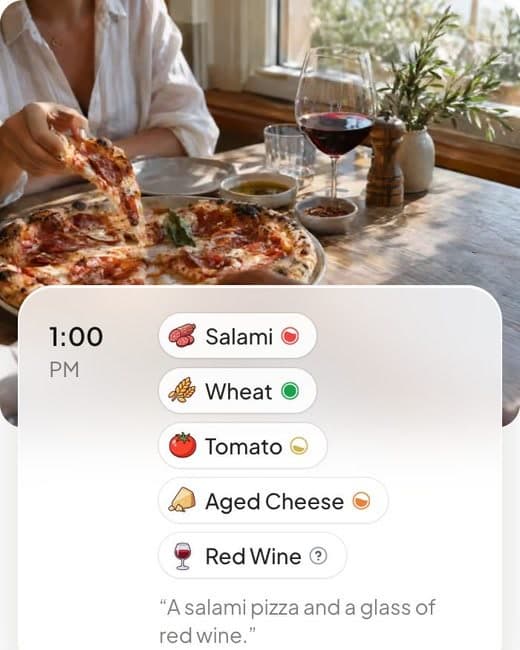
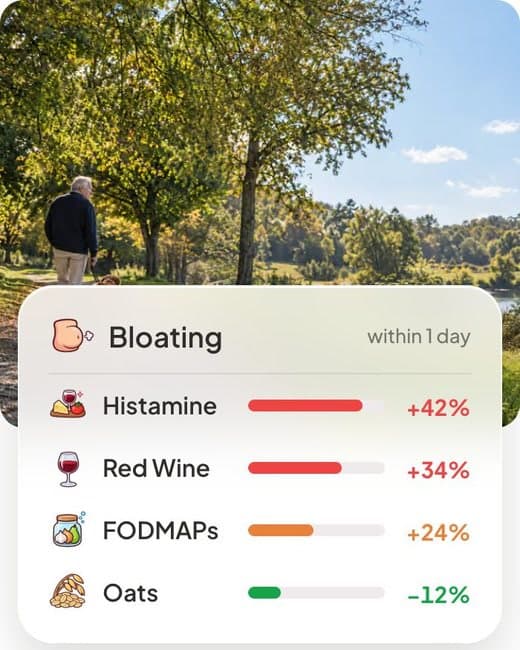
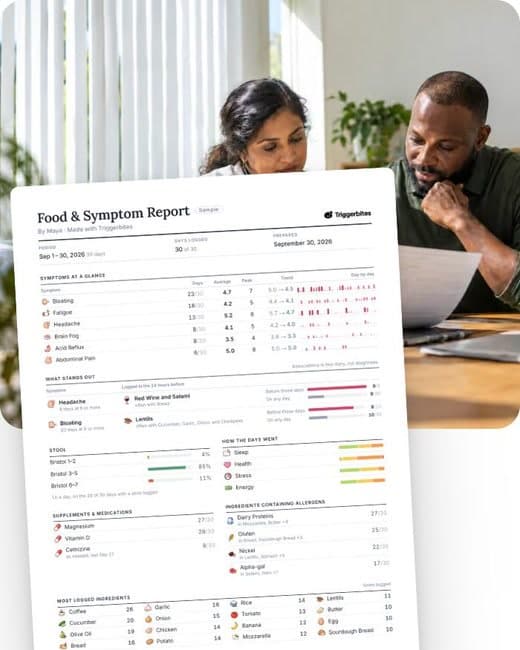
Triggerbites is a complete food and wellness journal.


Related checkers
Compare gravy across criteria







Sensitivity notes
Why vegan diet checker matters
A vegan diet excludes all animal products including meat, dairy, eggs, and honey. It focuses on plant-based foods like vegetables, fruits, grains, legumes, nuts, and seeds.
- Ensure adequate protein from varied plant sources
- Supplement B12 - it's essential and not available from plants
- Consider omega-3 from algae-based supplements
- Iron from plants requires vitamin C for better absorption
- Plan meals to ensure complete amino acid profiles

Sensitivities
What gravy contains
FODMAPs



Histamine & Amines

Plant compounds




Irritants




Additives



Allergens
















Diet fit
Where gravy fits
Therapeutic diets










Lifestyle diets









Religious diets






What to know about gravy
Gravy is a hidden source of gluten and onion for a lot of people. Traditional gravy is thickened with wheat flour, so it is high in gluten and adds fructans, and it is usually built on onion plus a stock cube or bouillon, which pushes it high in fructans and free glutamate. That combination makes gravy high-FODMAP and a frequent trigger even when the meal around it looks safe.
Watch for
- Thickened with wheat flour, so standard gravy contains gluten and is off-limits on a celiac or gluten-free diet unless it is specifically made gluten-free
- High in fructans from both the wheat flour and the onion or onion powder that flavours most gravy, which is the FODMAP behind the bloating
- High in free glutamate from stock cubes, bouillon and gravy granules, a trigger for people sensitive to MSG-like umami
- Often carries a moderate sulfite load from commercial stock and gravy mixes





Explore related in Condiments & Sauces
Compare similar foods to build a personalized list of swaps that work for your system.

Vegan Guide
Everything you need to know about vegan compatibility and smart food choices.
A vegan diet excludes all animal products including meat, dairy, eggs, and honey. It focuses on plant-based foods like vegetables, fruits, grains, legumes, nuts, and seeds.
These foods are typically compatible with a Vegan approach:
View all safe options








Practical guidance for following a Vegan diet:
- 1Ensure adequate protein from varied plant sources
- 2Supplement B12 - it's essential and not available from plants
- 3Consider omega-3 from algae-based supplements
- 4Iron from plants requires vitamin C for better absorption
- 5Plan meals to ensure complete amino acid profiles
Pro tip: Keep a food diary to track your reactions. The Triggerbites app makes this easy with automatic pattern detection.
Want personalized tracking?
Download Triggerbites to log meals, track symptoms, and discover your unique triggers.
Get the AppFAQ
Does gravy fit a vegan diet?
Vegan: avoid for strict plans.
What if I eat it occasionally?
Occasional use may break strict plans.
What are safer swaps?
Compare within the Condiments & Sauces group.