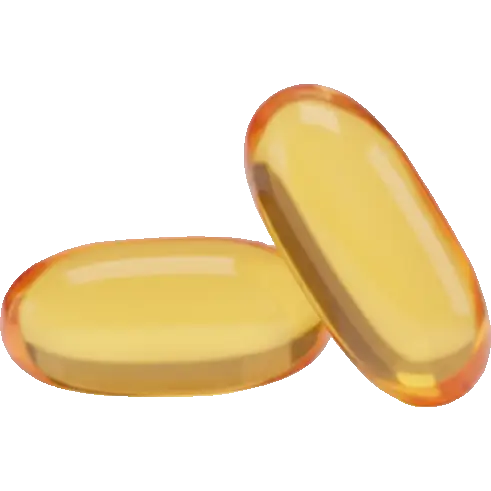
fish oil
Oils & Fats
Is fish oil vegan-compatible?
See whether fish oil fits a vegan diet, with a clear compatible-or-avoid verdict plus its FODMAP, histamine and other trigger ratings in one place.
Related checkers
Compare fish oil across criteria
Sensitivity notes
Why vegan diet checker matters
A vegan diet excludes all animal products including meat, dairy, eggs, and honey. It focuses on plant-based foods like vegetables, fruits, grains, legumes, nuts, and seeds.
- Ensure adequate protein from varied plant sources
- Supplement B12 - it's essential and not available from plants
- Consider omega-3 from algae-based supplements
- Iron from plants requires vitamin C for better absorption
- Plan meals to ensure complete amino acid profiles
Sensitivities
What fish oil contains
FODMAPs
Histamine & Amines
Plant compounds
Irritants
Additives
Allergens
Diet fit
Where fish oil fits
Therapeutic diets
Lifestyle diets
Religious diets
What to know about fish oil
Fish oil is the odd entry in a food-trigger journal: a supplement rather than a cooking fat, and on food chemistry it is close to inert. It grades A for histamine, histamine liberation, tyramine, salicylates, oxalate, nickel, sulfites, glutamates and every FODMAP subgroup, so the common search "is fish oil high in histamine" has a more reassuring answer than the oily fish it is pressed from. Its real cautions are not chemical at all. It is a fish-derived product, so it belongs inside any fish allergy conversation. It oxidises readily, and rancid oil is the usual reason people blame their capsules for nausea and reflux. And at supplement doses the EPA and DHA in it have a mild antiplatelet effect, which is the part worth raising before surgery or if you take a blood thinner.
Watch for
- Graded A for both histamine content and histamine liberation, so refined fish oil is usually not the problem on a low-histamine protocol, even though sardines and anchovies grade E and any oily fish climbs fast once it is no longer properly chilled
- It is a fish product.Highly refined fish oil retains very little fish protein and many people with fish allergy tolerate it, but refinement varies between brands and the standing allergy advice is to clear it with your allergist rather than assume
- Oxidation is the practical trigger.Fishy repeating, a putty-like smell when you split a capsule, or a bitter aftertaste all mean the oil has gone rancid, and rancid oil is far more likely to cause queasiness and reflux than fresh oil is
- EPA and DHA reduce platelet aggregation slightly at supplement doses, so flag it before surgery or dental extraction and if you take warfarin, clopidogrel or daily aspirin
- Graded E for vegan and E for vegetarian, which is simply what it is: an oil extracted from fish
Explore related in Oils & Fats
Compare similar foods to build a personalized list of swaps that work for your system.


Vegan Guide
Everything you need to know about vegan compatibility and smart food choices.
A vegan diet excludes all animal products including meat, dairy, eggs, and honey. It focuses on plant-based foods like vegetables, fruits, grains, legumes, nuts, and seeds.
These foods are typically compatible with a Vegan approach:
View all safe options







Practical guidance for following a Vegan diet:
- 1Ensure adequate protein from varied plant sources
- 2Supplement B12 - it's essential and not available from plants
- 3Consider omega-3 from algae-based supplements
- 4Iron from plants requires vitamin C for better absorption
- 5Plan meals to ensure complete amino acid profiles
Pro tip: Keep a food diary to track your reactions. The Triggerbites app makes this easy with automatic pattern detection.
Want personalized tracking?
Download Triggerbites to log meals, track symptoms, and discover your unique triggers.
Get the AppFAQ
Does fish oil fit a vegan diet?
Vegan: avoid for strict plans.
What if I eat it occasionally?
Occasional use may break strict plans.
What are safer swaps?
Compare within the Oils & Fats group.