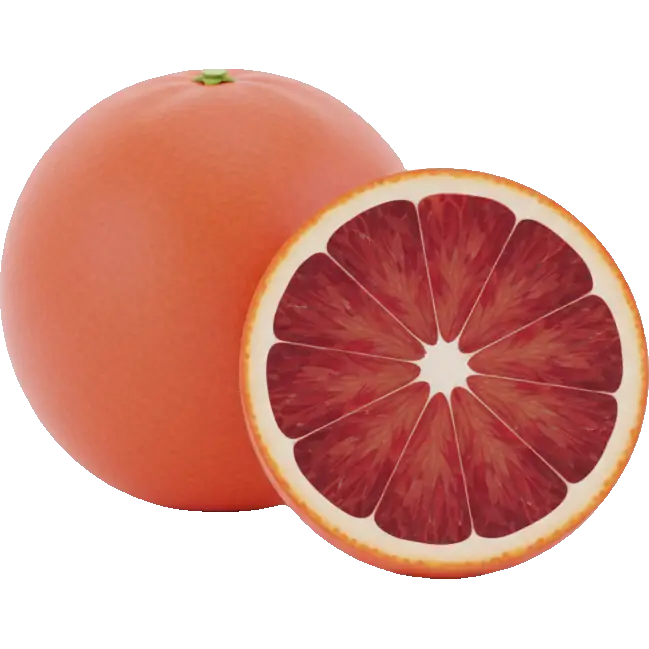
blood orange
Fruit
Is blood orange vegan-compatible?
See whether blood orange fits a vegan diet, with a clear compatible-or-avoid verdict plus its FODMAP, histamine and other trigger ratings in one place.
Related checkers
Compare blood orange across criteria
Sensitivity notes
Why vegan diet checker matters
A vegan diet excludes all animal products including meat, dairy, eggs, and honey. It focuses on plant-based foods like vegetables, fruits, grains, legumes, nuts, and seeds.
- Ensure adequate protein from varied plant sources
- Supplement B12 - it's essential and not available from plants
- Consider omega-3 from algae-based supplements
- Iron from plants requires vitamin C for better absorption
- Plan meals to ensure complete amino acid profiles
Sensitivities
What blood orange contains
FODMAPs
Histamine & Amines
Plant compounds
Irritants
Additives
Allergens
Diet fit
Where blood orange fits
Therapeutic diets
Lifestyle diets
Religious diets
What to know about blood orange
Blood orange is a genuine sweet orange, not a hybrid or a marketing crossbreed. Moro, Tarocco and Sanguinello are all cultivars of Citrus sinensis, and their crimson flesh comes from anthocyanins, the pigment family behind blackberries and red cabbage, which ordinary oranges do not produce at all. That pigment is weather dependent: the fruit has to ripen through cold nights and warm days to develop it, which is why Sicilian fruit from the volcanic slopes around Etna sets the standard and why the same variety grown somewhere mild gives you a plain orange orange. On triggers, the color changes nothing. Blood orange grades a borderline C for histamine liberation and C for salicylates, with a mild B for oxalate, so it is still a citrus challenge and should be logged as one rather than treated as a different fruit.
Watch for
- Graded a moderate histamine liberator, so it can bring on flushing, itching or a headache without being a high-histamine food.Its own histamine content grades A, which is why people describe reacting to fresh citrus that should have been fine
- Borderline for salicylates, and salicylate concentrates in the peel and pith rather than the flesh.Zest, marmalade and candied peel are a much heavier dose than the segments
- A glass of juice is several oranges with the fiber removed, and both the liberation and the salicylate load scale with the number of fruit that went in.Whole segments are the gentler test
- Mild B for oxalate.That is a fruit-bowl portion note only, and it matters if you are counting oxalate strictly rather than for most eaters
- Season runs roughly December to May.Blood orange sodas, syrups and out-of-season drinks are usually flavoring and coloring rather than fruit, so they carry additives your journal should record separately




Explore related in Fruit
Compare similar foods to build a personalized list of swaps that work for your system.
Vegan Guide
Everything you need to know about vegan compatibility and smart food choices.
A vegan diet excludes all animal products including meat, dairy, eggs, and honey. It focuses on plant-based foods like vegetables, fruits, grains, legumes, nuts, and seeds.
These foods are typically compatible with a Vegan approach:
View all safe options





Practical guidance for following a Vegan diet:
- 1Ensure adequate protein from varied plant sources
- 2Supplement B12 - it's essential and not available from plants
- 3Consider omega-3 from algae-based supplements
- 4Iron from plants requires vitamin C for better absorption
- 5Plan meals to ensure complete amino acid profiles
Pro tip: Keep a food diary to track your reactions. The Triggerbites app makes this easy with automatic pattern detection.
Want personalized tracking?
Download Triggerbites to log meals, track symptoms, and discover your unique triggers.
Get the AppFAQ
Does blood orange fit a vegan diet?
Vegan: fits well for most plans.
What if I eat it occasionally?
Still check preparation and add-ins.
What are safer swaps?
Compare within the Fruit group.