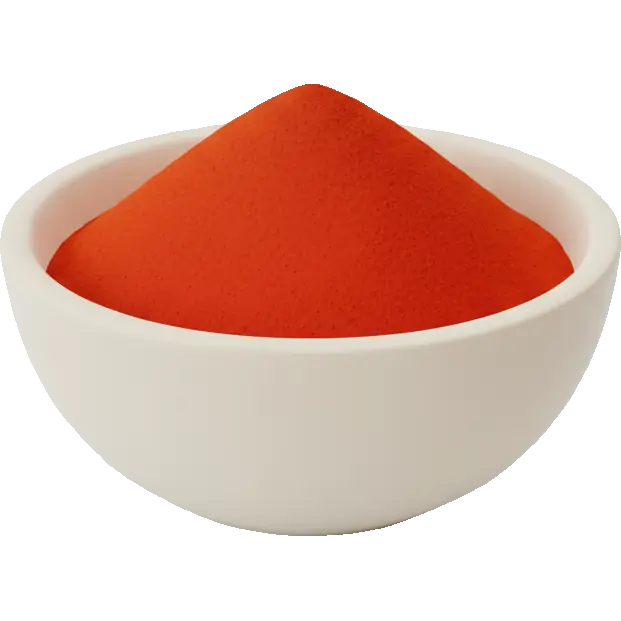
cayenne
Herbs & Spices
Is cayenne high in sulfites?
Is cayenne high or low in sulfites? See its exact rating, how much counts as a portion, and its FODMAP, salicylate, oxalate and diet compatibility in one place.
Related checkers
Compare cayenne across criteria
Sensitivity notes
Why sulfites food checker matters
Sulfites are preservatives found in wine, dried fruits, and processed foods. They can trigger asthma symptoms, headaches, and allergic reactions in sensitive individuals.
- Dried fruits are often high in sulfites unless labeled 'unsulfured'
- Wine, especially white, commonly contains sulfites
- Fresh foods are naturally sulfite-free
- Check medication labels - some contain sulfites
- Look for 'contains sulfites' on labels (required above 10ppm)
Sensitivities
What cayenne contains
FODMAPs
Histamine & Amines
Plant compounds
Irritants
Additives
Allergens
Diet fit
Where cayenne fits
Therapeutic diets
Lifestyle diets
Religious diets
What to know about cayenne
Cayenne is a nightshade, and for the fresh whole chili that is the one clear trigger: it grades high on the nightshade scale and is off-limits on AIP, so it can flare people who react to peppers, tomatoes, potatoes or eggplant. The interesting part is what it is not. Unlike the dried, ground cayenne pepper spice, the fresh pod is not concentrated, so it stays low in salicylates where the powder grades high. Its capsaicin heat can still aggravate reflux and an irritable gut.
Watch for
- A nightshade (Capsicum), so it is not AIP compliant and a trigger if you react to peppers, tomatoes or potatoes
- Unlike ground cayenne pepper, the fresh whole pod is not concentrated and stays low in salicylates
- Capsaicin heat can aggravate acid reflux, IBS and an already-irritated gut even when the pepper is otherwise clean




Explore related in Herbs & Spices
Compare similar foods to build a personalized list of swaps that work for your system.

Sulfites Guide
Everything you need to know about sulfites sensitivity and smart food choices.
Sulfites are preservatives found in wine, dried fruits, and processed foods. They can trigger asthma symptoms, headaches, and allergic reactions in sensitive individuals.
Sensitivity varies widely. What triggers one person may be fine for another. Track your reactions to find your personal threshold.
These foods are generally well-tolerated for Sulfites sensitivity:
View all safe options







These foods have moderate levels and may be tolerated in small amounts:






These foods are high in sulfites and may trigger symptoms:
View full list





If you're sensitive to Sulfites, consider these strategies:
- 1Dried fruits are often high in sulfites unless labeled 'unsulfured'
- 2Wine, especially white, commonly contains sulfites
- 3Fresh foods are naturally sulfite-free
- 4Check medication labels - some contain sulfites
- 5Look for 'contains sulfites' on labels (required above 10ppm)
Pro tip: Keep a food diary to track your reactions. The Triggerbites app makes this easy with automatic pattern detection.
Want personalized tracking?
Download Triggerbites to log meals, track symptoms, and discover your unique triggers.
Get the AppFAQ
Is cayenne high in Sulfites?
Sulfites: low signal for most people.
Can I still eat cayenne if I'm sensitive to Sulfites?
Usually fine in normal portions.
What else should I check?
Check Spicy Foods, Nightshades, and AIP next for a fuller picture.