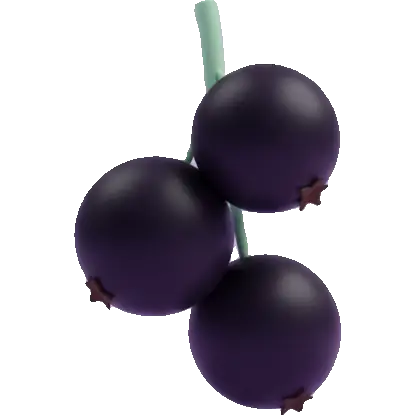
blackcurrant
Fruit
Is blackcurrant high in peanut?
Is blackcurrant high or low in peanut? See its exact rating, how much counts as a portion, and its FODMAP, salicylate, oxalate and diet compatibility in one place.
Related checkers
Compare blackcurrant across criteria
Sensitivity notes
Why peanut food checker matters
Peanut affects how your body responds to certain foods. Understanding your personal tolerance helps you make informed choices.
- Keep a detailed food and symptom diary to track your personal reactions
- Eliminate the suspected trigger completely for 2-4 weeks
- Reintroduce gradually to find your personal tolerance threshold
- Work with a healthcare provider or registered dietitian for guidance
- Remember that food sensitivities can change over time
Sensitivities
What blackcurrant contains
FODMAPs
Histamine & Amines
Plant compounds
Irritants
Additives
Allergens
Diet fit
Where blackcurrant fits
Therapeutic diets
Lifestyle diets
Religious diets
What to know about blackcurrant
Blackcurrants are high FODMAP, and unlike most berries the driver is polyols rather than fructose. Fructose itself is only mildly elevated here, which is why blackcurrants can pass a fructose test and still cause bloating. The rest of the profile is a spread of moderates rather than one spike: a mild histamine liberator grade, moderate salicylates, moderate oxalate and a moderate SIBO fermentation flag. Nutritionally they are a genuine outlier, carrying roughly three times the vitamin C of an orange by weight, and that reputation is why they end up in cordials, cassis and pastilles. Those concentrated forms, not the raw berry, are how most people actually meet blackcurrant, and they change the dose considerably.
Watch for
- High in polyols, which is the main reason blackcurrants land in the high FODMAP band.Excess fructose is only mildly elevated, so a fructose focused elimination can miss them entirely
- Mild histamine liberator grade.Not in the league of strawberries or citrus, but enough to note if you are stacking several borderline foods in one day
- Moderate salicylates and moderate oxalate.Neither is a headline on its own, but they add to a daily total if you are eliminating either
- Moderate fit for low fermentation SIBO diets, so the fermentable load is worth watching if bloating is your dominant symptom
- Cordials, syrups and blackcurrant sweets concentrate the berry and add a lot of sugar.Creme de cassis is a fermented alcoholic product and belongs in your log as its own entry, not as fruit




Explore related in Fruit
Compare similar foods to build a personalized list of swaps that work for your system.
Peanut Guide
Everything you need to know about peanut sensitivity and smart food choices.
Peanut affects how your body responds to certain foods. Understanding your personal tolerance helps you make informed choices.
Sensitivity varies widely. What triggers one person may be fine for another. Track your reactions to find your personal threshold.
These foods are generally well-tolerated for Peanut sensitivity:
View all safe options






These foods have moderate levels and may be tolerated in small amounts:


These foods are high in peanut and may trigger symptoms:
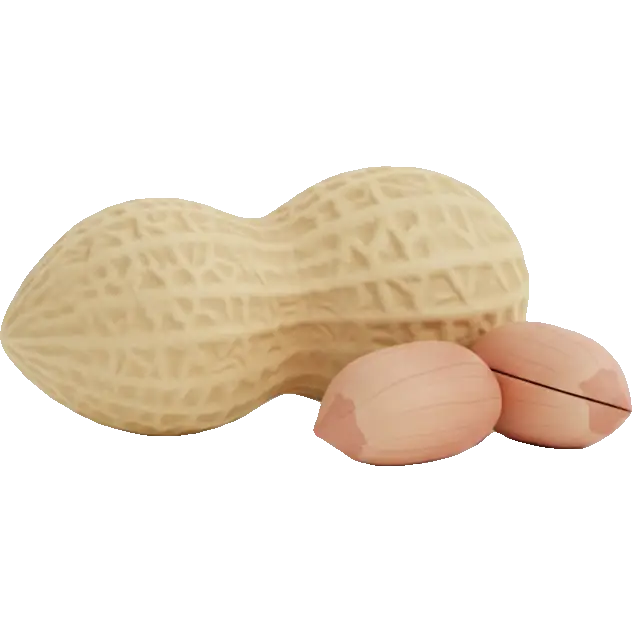

If you're sensitive to Peanut, consider these strategies:
- 1Keep a detailed food and symptom diary to track your personal reactions
- 2Eliminate the suspected trigger completely for 2-4 weeks
- 3Reintroduce gradually to find your personal tolerance threshold
- 4Work with a healthcare provider or registered dietitian for guidance
- 5Remember that food sensitivities can change over time
Pro tip: Keep a food diary to track your reactions. The Triggerbites app makes this easy with automatic pattern detection.
Want personalized tracking?
Download Triggerbites to log meals, track symptoms, and discover your unique triggers.
Get the AppFAQ
Is blackcurrant high in Peanut?
Peanut: low signal for most people.
Can I still eat blackcurrant if I'm sensitive to Peanut?
Usually fine in normal portions.
What else should I check?
Check FODMAPs, Polyols, and Acidic Foods next for a fuller picture.