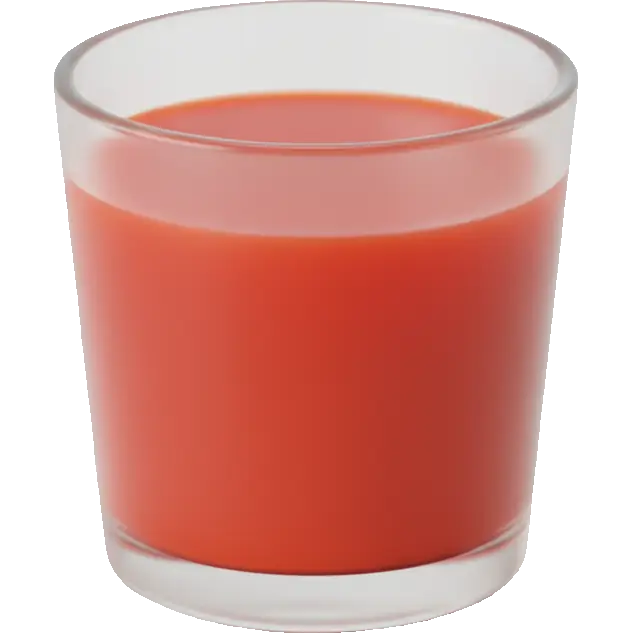
tomato juice
Beverages
Is tomato juice high in oxalates?
Is tomato juice high or low in oxalates? See its exact rating, how much counts as a portion, and its FODMAP, salicylate, oxalate and diet compatibility in one place.
Related checkers
Compare tomato juice across criteria
Sensitivity notes
Why oxalates food checker matters
Oxalates are compounds found in many plant foods that can bind with calcium to form crystals. High oxalate intake may contribute to kidney stones in susceptible individuals and can cause other symptoms in those with oxalate sensitivity.
- Stay well-hydrated to help prevent oxalate crystal formation
- Pair high-oxalate foods with calcium-rich foods to bind oxalates
- Cooking and boiling can reduce oxalate content in some foods
- Spread oxalate intake throughout the day rather than one large dose
- Consider probiotics - some gut bacteria break down oxalates
Sensitivities
What tomato juice contains
FODMAPs
Histamine & Amines
Plant compounds
Irritants
Additives
Allergens
Diet fit
Where tomato juice fits
Therapeutic diets
Lifestyle diets
Religious diets
What to know about tomato juice
Tomato juice is a nightshade in a glass, and it is one of the more concentrated ways to drink one. It grades C for nightshade, C for free glutamate, C for histamine liberation and C for AIP compliance, with borderline B grades running across histamine, tyramine, salicylates, sulfites, total FODMAPs and excess fructose. The number that matters is not on the chart: a single glass is several tomatoes reduced to liquid with no fibre to slow it down, and standard canned versions add several hundred milligrams of sodium per serving. Whole tomato grades higher than tomato juice on our nightshade and glutamate columns, but volume closes that gap fast, so treat a large glass as a real nightshade exposure rather than a light one.
Watch for
- Nightshade C, so it counts against a nightshade elimination and it is excluded on AIP.People who have cut potatoes and peppers often keep drinking tomato juice without registering it as the same family
- Free glutamate C.Tomato is naturally one of the most glutamate-rich plants and juicing concentrates it, which is why the drink tastes savoury rather than fruity. Some brands add MSG or flavourings on top of that
- Histamine liberation C alongside a borderline B for histamine itself.Pasteurised juice that has been open in the fridge for days is the version most likely to cause flushing or a headache
- Sodium load.Regular canned tomato juice is salted heavily, which is why it grades only a B for DASH. Low-sodium versions exist and are a genuinely different product
- Bloody Mary and clamato style mixes stack the problem: worcestershire brings anchovy and vinegar, hot sauce brings more nightshade, and celery salt brings more sodium




Explore related in Beverages
Compare similar foods to build a personalized list of swaps that work for your system.

Oxalates Guide
Everything you need to know about oxalates sensitivity and smart food choices.
Oxalates are compounds found in many plant foods that can bind with calcium to form crystals. High oxalate intake may contribute to kidney stones in susceptible individuals and can cause other symptoms in those with oxalate sensitivity.
Sensitivity varies widely. What triggers one person may be fine for another. Track your reactions to find your personal threshold.
These foods are generally well-tolerated for Oxalates sensitivity:
View all safe options




These foods have moderate levels and may be tolerated in small amounts:








These foods are high in oxalates and may trigger symptoms:
View full list






If you're sensitive to Oxalates, consider these strategies:
- 1Stay well-hydrated to help prevent oxalate crystal formation
- 2Pair high-oxalate foods with calcium-rich foods to bind oxalates
- 3Cooking and boiling can reduce oxalate content in some foods
- 4Spread oxalate intake throughout the day rather than one large dose
- 5Consider probiotics - some gut bacteria break down oxalates
Pro tip: Keep a food diary to track your reactions. The Triggerbites app makes this easy with automatic pattern detection.
Want personalized tracking?
Download Triggerbites to log meals, track symptoms, and discover your unique triggers.
Get the AppFAQ
Is tomato juice high in Oxalates?
Oxalates: low signal for most people.
Can I still eat tomato juice if I'm sensitive to Oxalates?
Usually fine in normal portions.
What else should I check?
Check AIP, Reflux Diet, and Histamine Liberators next for a fuller picture.