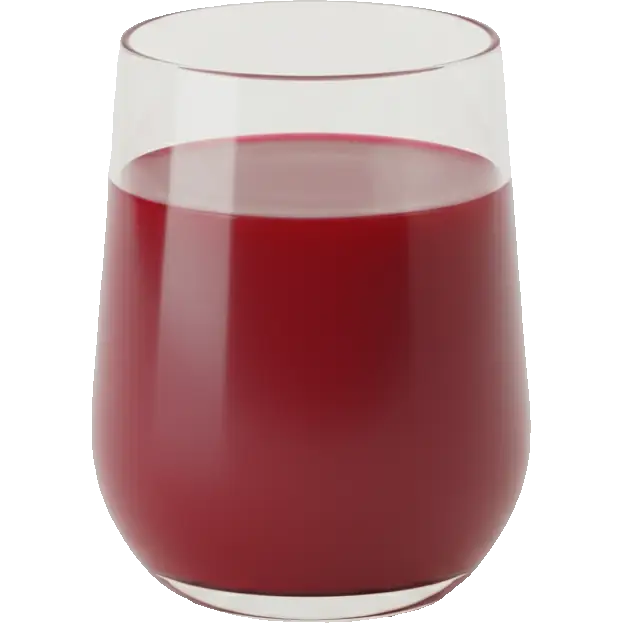
pomegranate juice
Beverages
Is pomegranate juice high in oxalates?
Is pomegranate juice high or low in oxalates? See its exact rating, how much counts as a portion, and its FODMAP, salicylate, oxalate and diet compatibility in one place.
Related checkers
Compare pomegranate juice across criteria
Sensitivity notes
Why oxalates food checker matters
Oxalates are compounds found in many plant foods that can bind with calcium to form crystals. High oxalate intake may contribute to kidney stones in susceptible individuals and can cause other symptoms in those with oxalate sensitivity.
- Stay well-hydrated to help prevent oxalate crystal formation
- Pair high-oxalate foods with calcium-rich foods to bind oxalates
- Cooking and boiling can reduce oxalate content in some foods
- Spread oxalate intake throughout the day rather than one large dose
- Consider probiotics - some gut bacteria break down oxalates
Sensitivities
What pomegranate juice contains
FODMAPs
Histamine & Amines
Plant compounds
Irritants
Additives
Allergens
Diet fit
Where pomegranate juice fits
Therapeutic diets
Lifestyle diets
Religious diets
What to know about pomegranate juice
Pomegranate juice is one of the most polyphenol dense drinks on a supermarket shelf, and the question people search most about it is not really a food sensitivity question: it is whether it behaves like grapefruit around medication. The short answer is that there is a real signal, that it is weaker and much less established than grapefruit, and that it is worth a pharmacist conversation if you take warfarin or a statin. On the trigger side the juice sits in the moderate band for FODMAPs, excess fructose, salicylate and oxalate, with a poor rating for low fermentation SIBO plans, because a glass is fruit sugar with the fiber taken out.
Watch for
- Medication interaction signal: laboratory work and scattered case reports point to inhibition of the CYP3A4 and CYP2C9 enzymes that clear many drugs, with reports of shifted warfarin INR and enhanced blood pressure medication effects.Controlled human studies have often failed to reproduce a clinically meaningful effect, so this is a check with your pharmacist issue rather than a blanket avoid, and it deserves neither panic nor dismissal
- Rated poor for low fermentation SIBO approaches, and moderate on both FODMAPs and excess fructose.Juicing removes the fiber and the seeds, so a 250 ml glass delivers the sugar of several fruits worth of arils with nothing to pace it
- Read the label on anything sold as a pomegranate drink: many are mostly apple or grape juice with a small percentage of pomegranate, and apple juice is rated far worse than pomegranate on FODMAPs, excess fructose and fermentation.The blend, not the pomegranate, is often what causes the bloating
- Tannins and acidity make it astringent and sharp, which can aggravate reflux and mouth ulcers, and the pigments stain teeth and worktops readily
- Salicylate and oxalate are both rated moderate.Neither puts it near the top of those lists, but on a strict elimination phase a daily glass is a real cumulative contribution






Explore related in Beverages
Compare similar foods to build a personalized list of swaps that work for your system.

Oxalates Guide
Everything you need to know about oxalates sensitivity and smart food choices.
Oxalates are compounds found in many plant foods that can bind with calcium to form crystals. High oxalate intake may contribute to kidney stones in susceptible individuals and can cause other symptoms in those with oxalate sensitivity.
Sensitivity varies widely. What triggers one person may be fine for another. Track your reactions to find your personal threshold.
These foods are generally well-tolerated for Oxalates sensitivity:
View all safe options





These foods have moderate levels and may be tolerated in small amounts:







These foods are high in oxalates and may trigger symptoms:
View full list







If you're sensitive to Oxalates, consider these strategies:
- 1Stay well-hydrated to help prevent oxalate crystal formation
- 2Pair high-oxalate foods with calcium-rich foods to bind oxalates
- 3Cooking and boiling can reduce oxalate content in some foods
- 4Spread oxalate intake throughout the day rather than one large dose
- 5Consider probiotics - some gut bacteria break down oxalates
Pro tip: Keep a food diary to track your reactions. The Triggerbites app makes this easy with automatic pattern detection.
Want personalized tracking?
Download Triggerbites to log meals, track symptoms, and discover your unique triggers.
Get the AppFAQ
Is pomegranate juice high in Oxalates?
Oxalates: moderate signal - portion size matters.
Can I still eat pomegranate juice if I'm sensitive to Oxalates?
Try smaller portions and space it out.
What else should I check?
Check Keto, Low-carb, and Acidic Foods next for a fuller picture.