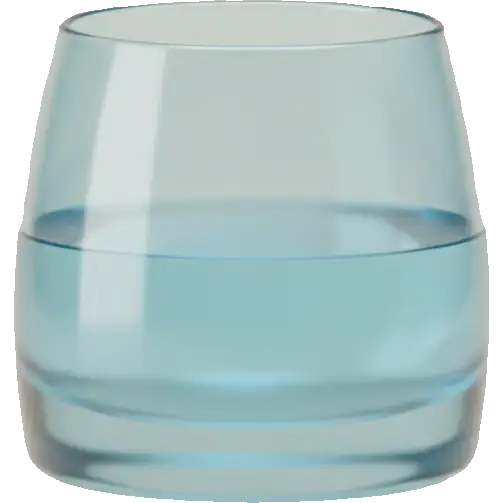
gin
Beverages
Is gin high in oxalates?
Is gin high or low in oxalates? See its exact rating, how much counts as a portion, and its FODMAP, salicylate, oxalate and diet compatibility in one place.
Related checkers
Compare gin across criteria
Sensitivity notes
Why oxalates food checker matters
Oxalates are compounds found in many plant foods that can bind with calcium to form crystals. High oxalate intake may contribute to kidney stones in susceptible individuals and can cause other symptoms in those with oxalate sensitivity.
- Stay well-hydrated to help prevent oxalate crystal formation
- Pair high-oxalate foods with calcium-rich foods to bind oxalates
- Cooking and boiling can reduce oxalate content in some foods
- Spread oxalate intake throughout the day rather than one large dose
- Consider probiotics - some gut bacteria break down oxalates
Sensitivities
What gin contains
FODMAPs
Histamine & Amines
Plant compounds
Irritants
Additives
Allergens
Diet fit
Where gin fits
Therapeutic diets
Lifestyle diets
Religious diets
What to know about gin
Gin is the botanical spirit: a neutral base spirit redistilled with juniper and a bill of other botanicals such as coriander, angelica, citrus peel and orris. That botanical bill is what makes gin taste like a plant, so people reasonably assume it carries a plant-sized chemical load. The grades say otherwise. Gin rates clean on salicylates, clean on gluten even when the base is grain, and clean across every FODMAP column, because distillation carries volatile aroma compounds across and leaves the heavier plant chemistry, the proteins and the fermentable sugars behind in the still. The flag that actually matters on this page is the alcohol. Gin grades mild for histamine content and moderate as a histamine liberator, since ethanol and its breakdown product acetaldehyde both push histamine release and slow the enzyme that clears it. It carries a light sulfite trace, sits moderate for low-fermentation SIBO protocols, grades pro-inflammatory and is not paleo or AIP compliant. One practical note that the grades make plain: with gin the mixer often contributes more than the spirit, since tonic water grades worse than gin on sugar load, fermentability and inflammation.
Watch for
- Moderate histamine liberator with mild histamine of its own, which is why a spirit can bring flushing, a blocked nose or a headache faster than the volume suggests.Alcohol both prompts histamine release and interferes with the diamine oxidase that clears it
- Clean on salicylates despite the juniper.A botanical spirit does not behave like a botanical food, because what crosses the still is aroma rather than the salicylate load of the berries. If salicylates are your trigger, gin is unlikely to be the culprit in the glass
- Graded gluten free.The base grain is fermented and then distilled, and gluten proteins do not carry over. The exception is compound and flavoured gins, where syrups, fruit or other ingredients are added after distillation
- Only a light sulfite trace, so gin sits far below wine, cider and dried fruit on sulfites.Low is not the same as zero if you are severely sulfite reactive
- The mixer is the hidden variable.Tonic water grades moderate FODMAP and moderate excess fructose, poor for low-fermentation protocols and pro-inflammatory, so a gin and tonic carries a sugar problem the gin itself does not have





Explore related in Beverages
Compare similar foods to build a personalized list of swaps that work for your system.

Oxalates Guide
Everything you need to know about oxalates sensitivity and smart food choices.
Oxalates are compounds found in many plant foods that can bind with calcium to form crystals. High oxalate intake may contribute to kidney stones in susceptible individuals and can cause other symptoms in those with oxalate sensitivity.
Sensitivity varies widely. What triggers one person may be fine for another. Track your reactions to find your personal threshold.
These foods are generally well-tolerated for Oxalates sensitivity:
View all safe options





These foods have moderate levels and may be tolerated in small amounts:







These foods are high in oxalates and may trigger symptoms:
View full list






If you're sensitive to Oxalates, consider these strategies:
- 1Stay well-hydrated to help prevent oxalate crystal formation
- 2Pair high-oxalate foods with calcium-rich foods to bind oxalates
- 3Cooking and boiling can reduce oxalate content in some foods
- 4Spread oxalate intake throughout the day rather than one large dose
- 5Consider probiotics - some gut bacteria break down oxalates
Pro tip: Keep a food diary to track your reactions. The Triggerbites app makes this easy with automatic pattern detection.
Want personalized tracking?
Download Triggerbites to log meals, track symptoms, and discover your unique triggers.
Get the AppFAQ
Is gin high in Oxalates?
Oxalates: low signal for most people.
Can I still eat gin if I'm sensitive to Oxalates?
Usually fine in normal portions.
What else should I check?
Check Alcohol, AIP, and Reflux Diet next for a fuller picture.