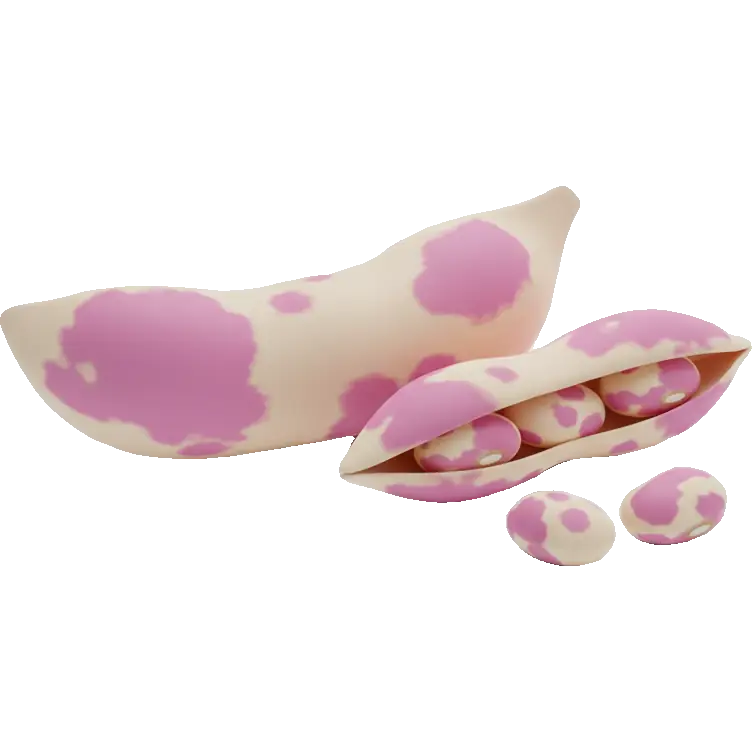
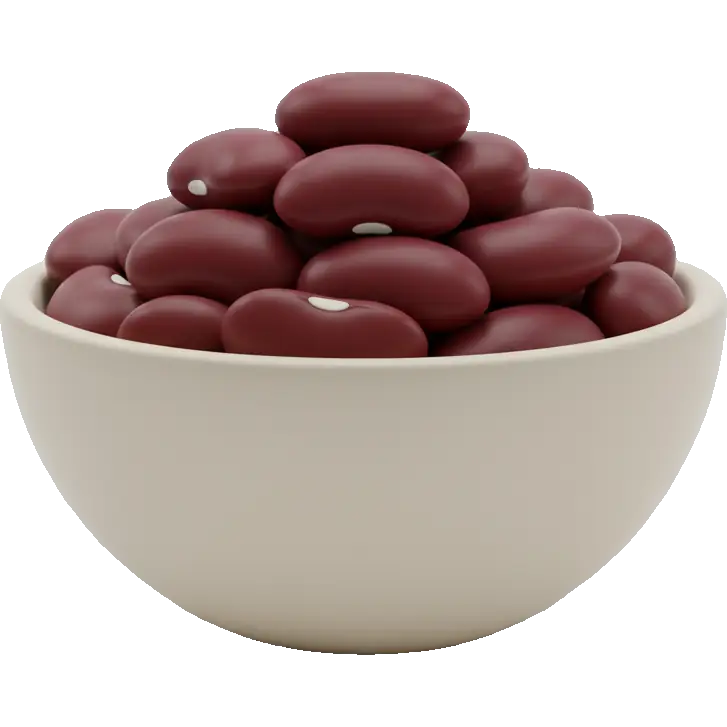
borlotti beans
Legumes/Pulses
Is borlotti beans high in nitrites?
Is borlotti beans high or low in nitrites? See its exact rating, how much counts as a portion, and its FODMAP, salicylate, oxalate and diet compatibility in one place.
Related checkers
Compare borlotti beans across criteria
Sensitivity notes
Why nitrites food checker matters
Nitrites are preservatives commonly used in cured meats. Some people are sensitive to them, experiencing headaches, flushing, or other symptoms after consumption.
- Choose uncured or 'no nitrates/nitrites added' meat products
- Note that 'natural' nitrites from celery powder act the same way
- Fresh meat is nitrite-free
- Bacon, hot dogs, and deli meats are common sources
- Vegetables like celery and beets contain natural nitrates
Sensitivities
What borlotti beans contains
FODMAPs
Histamine & Amines
Plant compounds
Irritants
Additives
Allergens
Diet fit
Where borlotti beans fits
Therapeutic diets
Lifestyle diets
Religious diets
What to know about borlotti beans
Borlotti beans, the pink and cream speckled beans at the heart of pasta e fagioli and minestrone, sit at the top of the scale for total FODMAP load, and unusually for a bean they are high in fructans as well as galacto-oligosaccharides. That combination matters, because fructans normally arrive from the onion and garlic in the pot rather than from the pulse itself, so stripping the aromatics out of the recipe does not rescue the dish. Borlotti are clean on gluten, lactose and histamine, which means a bad reaction to them is almost always fermentation rather than food chemistry. Their real quirk is seasonal: borlotti are sold fresh in the pod in late summer, and fresh beans skip the overnight soak that pulls part of those FODMAPs out of dried ones.
Watch for
- Highest FODMAP rating, so the wind and cramping usually arrive several hours after the bowl rather than during the meal
- High in fructans on top of the GOS, which is rare for a bean and means an onion-free, garlic-free minestrone still delivers a fructan load
- Fresh podded borlotti need no soaking, so the soak-and-drain step that removes water-soluble FODMAPs from dried beans never happens; a fresh-bean dish can sit heavier than the same dish built from soaked dried beans
- In pasta e fagioli and minestrone the cooking liquid becomes the broth, so whatever leaches out of the beans is served straight back to you instead of poured away
- High in lectins and rated poor for SIBO; fresh beans soften in well under an hour, which tempts a gentle simmer, and it is undercooked beans that cause the abrupt reactions



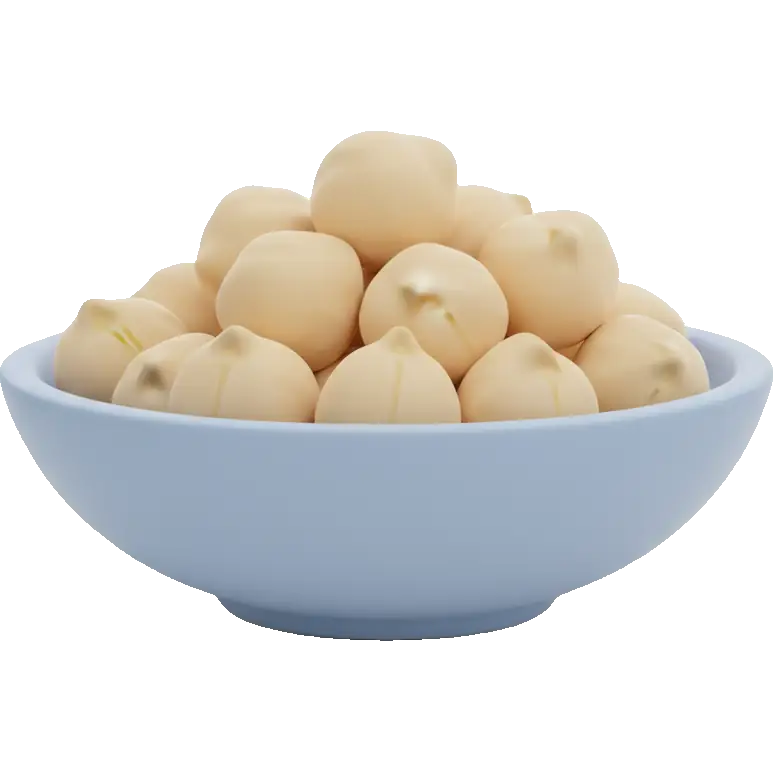
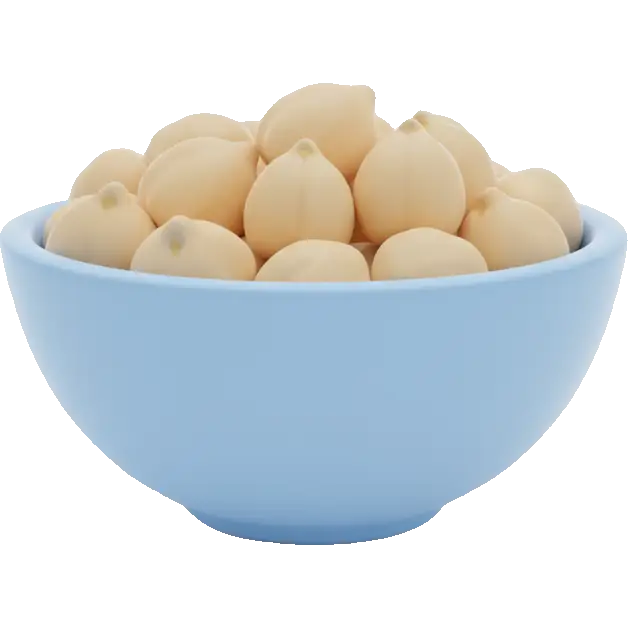
Explore related in Legumes/Pulses
Compare similar foods to build a personalized list of swaps that work for your system.

Nitrites Guide
Everything you need to know about nitrites sensitivity and smart food choices.
Nitrites are preservatives commonly used in cured meats. Some people are sensitive to them, experiencing headaches, flushing, or other symptoms after consumption.
Sensitivity varies widely. What triggers one person may be fine for another. Track your reactions to find your personal threshold.
These foods are generally well-tolerated for Nitrites sensitivity:
View all safe options






These foods have moderate levels and may be tolerated in small amounts:
These foods are high in nitrites and may trigger symptoms:
View full list



If you're sensitive to Nitrites, consider these strategies:
- 1Choose uncured or 'no nitrates/nitrites added' meat products
- 2Note that 'natural' nitrites from celery powder act the same way
- 3Fresh meat is nitrite-free
- 4Bacon, hot dogs, and deli meats are common sources
- 5Vegetables like celery and beets contain natural nitrates
Pro tip: Keep a food diary to track your reactions. The Triggerbites app makes this easy with automatic pattern detection.
Want personalized tracking?
Download Triggerbites to log meals, track symptoms, and discover your unique triggers.
Get the AppFAQ
Is borlotti beans high in Nitrites?
Nitrites: low signal for most people.
Can I still eat borlotti beans if I'm sensitive to Nitrites?
Usually fine in normal portions.
What else should I check?
Check FODMAPs, GOS, and AIP next for a fuller picture.