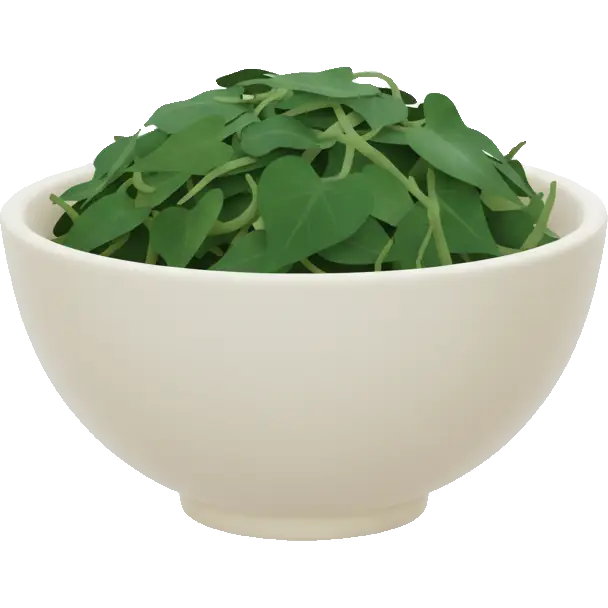
yam leaves
Vegetables
Is yam leaves mediterranean-compatible?
See whether yam leaves fits a mediterranean diet, with a clear compatible-or-avoid verdict plus its FODMAP, histamine and other trigger ratings in one place.
Related checkers
Compare yam leaves across criteria
Sensitivity notes
Why mediterranean diet checker matters
The Mediterranean diet is based on traditional foods from countries bordering the Mediterranean Sea. It emphasizes olive oil, fish, vegetables, whole grains, and moderate wine consumption while limiting red meat and processed foods.
- Make olive oil your primary fat source
- Eat fish at least twice per week
- Enjoy meals with family and friends - it's part of the lifestyle
- Red wine in moderation (optional) with meals
- Limit red meat to a few times per month
Sensitivities
What yam leaves contains
FODMAPs
Histamine & Amines
Plant compounds
Irritants
Additives
Allergens
Diet fit
Where yam leaves fits
Therapeutic diets
Lifestyle diets
Religious diets
What to know about yam leaves
Yam leaves are the heart shaped vine leaves of the true yam, cooked as a green in West Africa, the Philippines and parts of East Asia and never eaten raw. Two things are worth knowing before you log them. First, half the produce sold in English as yam leaves is not yam at all: in the United States and the Caribbean, sweet potatoes are routinely called yams, so the leaves under that label are usually sweet potato leaves from a completely different plant family. Second, this ingredient has no dedicated trigger testing behind it. Its FODMAP subgroups are unrated and its remaining grades sit at a uniform borderline that reflects an untested leafy green rather than a measurement of this one.
Watch for
- Always cooked, never raw.Yam plant tissue is known for needle shaped calcium oxalate crystals and steroidal saponins, which is why handling and peeling raw yam makes hands itch and prickle. Boiling or steaming the leaves and discarding the water is the standard preparation everywhere they are eaten, and there is no salad use for them.
- The label problem is real.Sweet potato leaves and yam leaves look similar on a market stall, cook similarly and are sold under the same English name in many places. They are different plants with different chemistry, so if you are trying to pin down a reaction, find out which one you actually bought.
- Borderline across the board is not the same as measured.The amine, salicylate, oxalate and nickel grades on this row are the database default for a leafy green that has not been through dedicated testing, so treat them as a placeholder and treat a reaction as unexplained rather than ruled out.
- No honest low FODMAP claim exists here.Every FODMAP subgroup is unrated, so if your gut is the sensitive part, start with a small portion and log it as an untested food.
- Cooking water is not stock.Where the leaves are boiled, the water is thrown out rather than reused, which also happens to be the standard way of reducing soluble oxalate in any green.
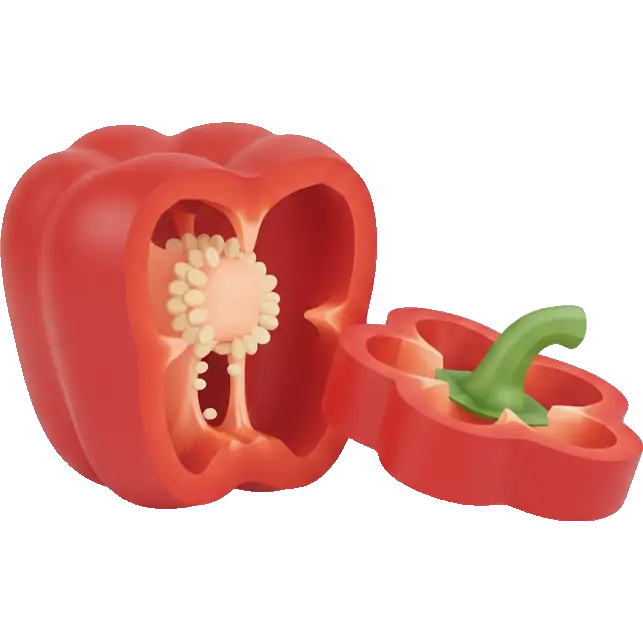


Explore related in Vegetables
Compare similar foods to build a personalized list of swaps that work for your system.



Mediterranean Guide
Everything you need to know about mediterranean compatibility and smart food choices.
The Mediterranean diet is based on traditional foods from countries bordering the Mediterranean Sea. It emphasizes olive oil, fish, vegetables, whole grains, and moderate wine consumption while limiting red meat and processed foods.
These foods are typically compatible with a Mediterranean approach:
View all safe options






Practical guidance for following a Mediterranean diet:
- 1Make olive oil your primary fat source
- 2Eat fish at least twice per week
- 3Enjoy meals with family and friends - it's part of the lifestyle
- 4Red wine in moderation (optional) with meals
- 5Limit red meat to a few times per month
Pro tip: Keep a food diary to track your reactions. The Triggerbites app makes this easy with automatic pattern detection.
Want personalized tracking?
Download Triggerbites to log meals, track symptoms, and discover your unique triggers.
Get the AppFAQ
Does yam leaves fit a mediterranean diet?
Mediterranean: mixed fit - check ingredients.
What if I eat it occasionally?
Keep portions small and verify ingredients.
What are safer swaps?
Compare within the Vegetables group.