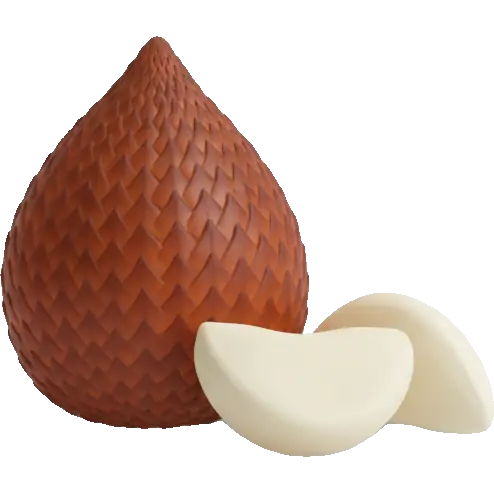
salak
Fruit
Is salak mediterranean-compatible?
See whether salak fits a mediterranean diet, with a clear compatible-or-avoid verdict plus its FODMAP, histamine and other trigger ratings in one place.
Related checkers
Compare salak across criteria
Sensitivity notes
Why mediterranean diet checker matters
The Mediterranean diet is based on traditional foods from countries bordering the Mediterranean Sea. It emphasizes olive oil, fish, vegetables, whole grains, and moderate wine consumption while limiting red meat and processed foods.
- Make olive oil your primary fat source
- Eat fish at least twice per week
- Enjoy meals with family and friends - it's part of the lifestyle
- Red wine in moderation (optional) with meals
- Limit red meat to a few times per month
Sensitivities
What salak contains
FODMAPs
Histamine & Amines
Plant compounds
Irritants
Additives
Allergens
Diet fit
Where salak fits
Therapeutic diets
Lifestyle diets
Religious diets
What to know about salak
Salak is the Indonesian snake fruit, named for the reddish brown scaled skin that peels away like a reptile shed to reveal firm, ivory coloured lobes. The flavour is unusual and quite specific: sweet and sharply acidic at once, with a strong astringent pucker that comes from tannins and varies enormously with ripeness and cultivar. That astringency is the fruit trait most likely to matter, because it is what people notice and it is not something the trigger columns capture.
Watch for
- Every FODMAP column on this row is unrated rather than clean.Salak has not been tested, so a blank means unknown and a first serving is worth treating as a trial.
- Tannins drive the dry, puckering mouthfeel of underripe salak.Tannins bind iron and can upset an empty stomach, and they are also why an unripe fruit tastes so different from a ripe one of the same variety.
- Graded moderate on salicylate and on SIBO fermentation, with mild marks for oxalate, nickel, glutamate and histamine liberation.
- Ripeness changes the fruit substantially.Salak pondoh is eaten crisp and barely sweet; other cultivars are left to soften and sweeten. Neither is wrong, but they are quite different eating experiences from the same slug.
- The thin brown membrane clinging to the flesh is bitter and is usually rubbed off.Leaving it on is a common reason a first salak tastes unpleasantly astringent.




Explore related in Fruit
Compare similar foods to build a personalized list of swaps that work for your system.
Mediterranean Guide
Everything you need to know about mediterranean compatibility and smart food choices.
The Mediterranean diet is based on traditional foods from countries bordering the Mediterranean Sea. It emphasizes olive oil, fish, vegetables, whole grains, and moderate wine consumption while limiting red meat and processed foods.
These foods are typically compatible with a Mediterranean approach:
View all safe options





Practical guidance for following a Mediterranean diet:
- 1Make olive oil your primary fat source
- 2Eat fish at least twice per week
- 3Enjoy meals with family and friends - it's part of the lifestyle
- 4Red wine in moderation (optional) with meals
- 5Limit red meat to a few times per month
Pro tip: Keep a food diary to track your reactions. The Triggerbites app makes this easy with automatic pattern detection.
Want personalized tracking?
Download Triggerbites to log meals, track symptoms, and discover your unique triggers.
Get the AppFAQ
Does salak fit a mediterranean diet?
Mediterranean: fits well for most plans.
What if I eat it occasionally?
Still check preparation and add-ins.
What are safer swaps?
Compare within the Fruit group.