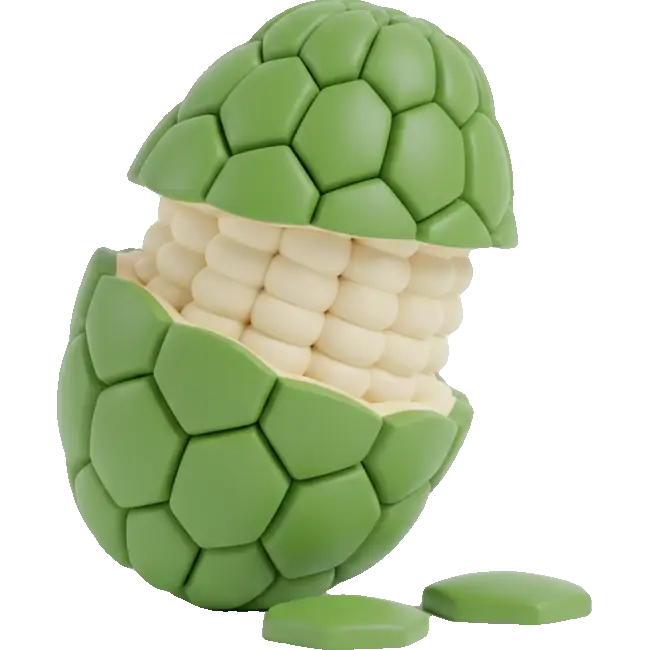
monstera deliciosa
Fruit
Is monstera deliciosa mediterranean-compatible?
See whether monstera deliciosa fits a mediterranean diet, with a clear compatible-or-avoid verdict plus its FODMAP, histamine and other trigger ratings in one place.
Related checkers
Compare monstera deliciosa across criteria
Sensitivity notes
Why mediterranean diet checker matters
The Mediterranean diet is based on traditional foods from countries bordering the Mediterranean Sea. It emphasizes olive oil, fish, vegetables, whole grains, and moderate wine consumption while limiting red meat and processed foods.
- Make olive oil your primary fat source
- Eat fish at least twice per week
- Enjoy meals with family and friends - it's part of the lifestyle
- Red wine in moderation (optional) with meals
- Limit red meat to a few times per month
Sensitivities
What monstera deliciosa contains
FODMAPs
Histamine & Amines
Plant compounds
Irritants
Additives
Allergens
Diet fit
Where monstera deliciosa fits
Therapeutic diets
Lifestyle diets
Religious diets
What to know about monstera deliciosa
Monstera deliciosa is the one fruit on this list where ripeness is a safety question, not a taste preference. It is graded E for oxalate, the top of the scale, and in the unripe fruit that oxalate takes the form of raphides: microscopic needle-shaped crystals that physically embed in the lips, tongue and throat and produce immediate burning, stinging and swelling. Fully ripe, the fruit is a legitimate tropical delicacy tasting of pineapple and banana. Unripe, it is an irritant that poisons information centres get calls about, and the rest of the plant is never food.
Watch for
- Unripe monstera fruit causes an immediate burning mouth and throat.The mechanism is mechanical, not allergic: raphides are needle crystals of calcium oxalate that lodge in mucous membranes on contact, which is the same trick raw taro and dumb cane use, all members of the Araceae family
- Ripeness is read from the scales, not from colour or squeeze.The green hexagonal plates lift and drop away from the base upward as each segment ripens, and only the exposed segments are ready. Forcing an unripe section is what causes the reaction
- Very high oxalate (graded E) even in the ripe fruit, so it is a poor choice if you form calcium oxalate kidney stones or are on a low-oxalate protocol for any reason.A ripe monstera stops being an irritant, it does not stop being high oxalate
- Only the ripe fruit is edible.Leaves, stems, roots and the unripe spadix of Monstera deliciosa are irritant plant material listed by poison centres, which matters because the same plant is a common houseplant with pets and children around it
- Moderate on histamine and salicylates, worth noting only because monstera is usually eaten very ripe, and ripeness is the direction that pushes histamine up in any fruit





Explore related in Fruit
Compare similar foods to build a personalized list of swaps that work for your system.
Mediterranean Guide
Everything you need to know about mediterranean compatibility and smart food choices.
The Mediterranean diet is based on traditional foods from countries bordering the Mediterranean Sea. It emphasizes olive oil, fish, vegetables, whole grains, and moderate wine consumption while limiting red meat and processed foods.
These foods are typically compatible with a Mediterranean approach:
View all safe options





Practical guidance for following a Mediterranean diet:
- 1Make olive oil your primary fat source
- 2Eat fish at least twice per week
- 3Enjoy meals with family and friends - it's part of the lifestyle
- 4Red wine in moderation (optional) with meals
- 5Limit red meat to a few times per month
Pro tip: Keep a food diary to track your reactions. The Triggerbites app makes this easy with automatic pattern detection.
Want personalized tracking?
Download Triggerbites to log meals, track symptoms, and discover your unique triggers.
Get the AppFAQ
Does monstera deliciosa fit a mediterranean diet?
Mediterranean: mixed fit - check ingredients.
What if I eat it occasionally?
Keep portions small and verify ingredients.
What are safer swaps?
Compare within the Fruit group.