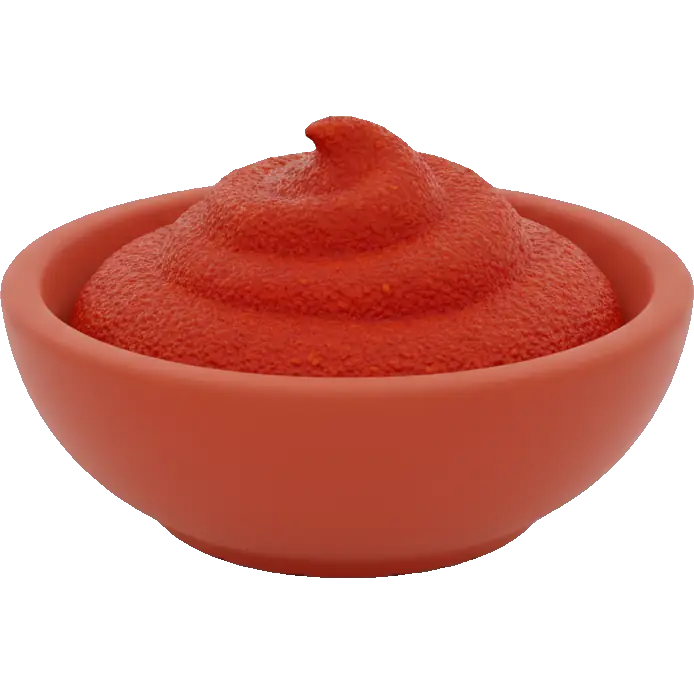
harissa
Condiments & Sauces
Is harissa mediterranean-compatible?
See whether harissa fits a mediterranean diet, with a clear compatible-or-avoid verdict plus its FODMAP, histamine and other trigger ratings in one place.
Related checkers
Compare harissa across criteria
Sensitivity notes
Why mediterranean diet checker matters
The Mediterranean diet is based on traditional foods from countries bordering the Mediterranean Sea. It emphasizes olive oil, fish, vegetables, whole grains, and moderate wine consumption while limiting red meat and processed foods.
- Make olive oil your primary fat source
- Eat fish at least twice per week
- Enjoy meals with family and friends - it's part of the lifestyle
- Red wine in moderation (optional) with meals
- Limit red meat to a few times per month
Sensitivities
What harissa contains
FODMAPs
Histamine & Amines
Plant compounds
Irritants
Additives
Allergens
Diet fit
Where harissa fits
Therapeutic diets
Lifestyle diets
Religious diets
What to know about harissa
Harissa is a North African chili paste, Tunisian in origin, built from roasted or rehydrated red chilies, garlic, olive oil, salt and a spice bill that usually runs to caraway, coriander seed and cumin. It matters that it is a fresh and dried chili paste rather than a fermented one, because that changes its trigger shape completely: unlike gochujang, which is fermented with barley malt and grades high for gluten, histamine, tyramine and free glutamate, harissa is graded clean for gluten and only moderate on those fermentation-driven axes. What it does bring is a moderate nightshade grade from the chilies and a high fructan and FODMAP grade from the garlic, which is the single biggest reason people log symptoms after a harissa-heavy meal. Rose harissa, the version scented with dried rose petals, is a flavour variant and not a gentler one.
Watch for
- High fructan and FODMAP grade from garlic, which is present in real quantity and largely uncooked.This is the trigger most people miss because they blame the heat instead
- Moderate nightshade grade.Chilies are Solanaceae, and capsaicin can independently provoke reflux, urgency and burning in an already irritable gut regardless of how you grade on nightshades
- Moderate histamine, histamine liberator and tyramine grades.The chili itself is a known liberator, and an oil-topped jar that has been open in the fridge for a month drifts further in that direction
- Moderate salicylate and free glutamate grades.The spice bill does the salicylate work, while the salt, concentrated chili and any added sun-dried tomato push the savoury glutamate load up
- Clean for gluten, dairy and lactose, which is the honest advantage over fermented chili pastes.Jarred versions still vary, so check for added tomato or thickeners if you are tracking nightshades tightly
Explore related in Condiments & Sauces
Compare similar foods to build a personalized list of swaps that work for your system.

Mediterranean Guide
Everything you need to know about mediterranean compatibility and smart food choices.
The Mediterranean diet is based on traditional foods from countries bordering the Mediterranean Sea. It emphasizes olive oil, fish, vegetables, whole grains, and moderate wine consumption while limiting red meat and processed foods.
These foods are typically compatible with a Mediterranean approach:
View all safe options







Practical guidance for following a Mediterranean diet:
- 1Make olive oil your primary fat source
- 2Eat fish at least twice per week
- 3Enjoy meals with family and friends - it's part of the lifestyle
- 4Red wine in moderation (optional) with meals
- 5Limit red meat to a few times per month
Pro tip: Keep a food diary to track your reactions. The Triggerbites app makes this easy with automatic pattern detection.
Want personalized tracking?
Download Triggerbites to log meals, track symptoms, and discover your unique triggers.
Get the AppFAQ
Does harissa fit a mediterranean diet?
Mediterranean: fits well for most plans.
What if I eat it occasionally?
Still check preparation and add-ins.
What are safer swaps?
Compare within the Condiments & Sauces group.