 Back to Mediterranean diet checker
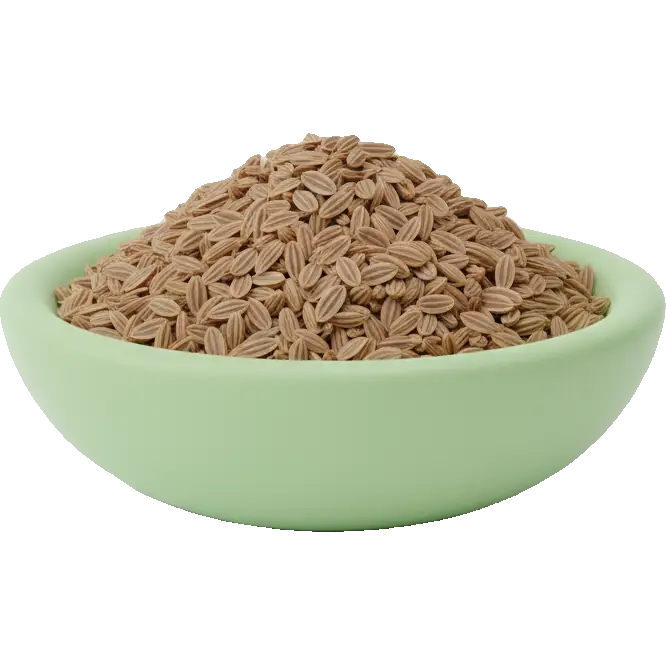
dill seed
Herbs & Spices
Is dill seed mediterranean-compatible?
See whether dill seed fits a mediterranean diet, with a clear compatible-or-avoid verdict plus its FODMAP, histamine and other trigger ratings in one place.

Related checkers
Compare dill seed across criteria

Sensitivity notes
Why mediterranean diet checker matters
The Mediterranean diet is based on traditional foods from countries bordering the Mediterranean Sea. It emphasizes olive oil, fish, vegetables, whole grains, and moderate wine consumption while limiting red meat and processed foods.
- Make olive oil your primary fat source
- Eat fish at least twice per week
- Enjoy meals with family and friends - it's part of the lifestyle
- Red wine in moderation (optional) with meals
- Limit red meat to a few times per month

Sensitivities
What dill seed contains
FODMAPs







Histamine & Amines



Plant compounds




Irritants




Additives



Allergens
















Diet fit
Where dill seed fits
Therapeutic diets










Lifestyle diets









Religious diets






What to know about dill seed
Dill seed and dill weed come off the same plant, Anethum graveolens, and in our data they grade identically on every sensitivity criterion: histamine A, liberator A, salicylate A, oxalate A, nickel A, glutamate A, sulfite A and clean across all four FODMAP groups. That makes dill seed unusual, since fresh green herbs and their seeds often part company on salicylates. What changes between the two is intensity and use. The seed is sharper and more camphorous, closer to caraway than to the feathery fronds, and it goes into pickling brines, rye and soda breads, cabbage dishes and the tempering oil of Indian and Ethiopian cooking. If dill pickles bother you, that is worth separating out carefully, because a fermented brine is a histamine problem and almost always a garlic problem too, and neither of those is the seed.
Watch for
- Dill pickles are the trap, not the spice.Traditionally fermented pickles are high in histamine, the brine usually carries garlic (fructans) and dill is only along for the ride. Log the pickle as its own entry so the seed does not take the blame
- Graded clean on histamine and histamine liberation, salicylates, oxalate, nickel and every FODMAP group, which is the same profile as dill weed.If dill weed suits you, the seed should too
- Dill is an Apiaceae plant, so it belongs to the celery, carrot, fennel and coriander cluster linked to birch and mugwort pollen allergy.That is an IgE mechanism and it is not captured by any grade on this page
- The one place the seed and the fronds diverge in our data is diet compatibility: the autoimmune protocol allows leafy dill but excludes seed spices, so dill seed is out during a strict AIP phase while dill weed stays in
- Dill seed is one of the classic gripe water botanicals, which is why it turns up in gut and colic folklore.Traditional use is not the same as evidence, so treat it as context rather than a remedy
Explore related in Herbs & Spices
Compare similar foods to build a personalized list of swaps that work for your system.
Mediterranean Guide
Everything you need to know about mediterranean compatibility and smart food choices.
The Mediterranean diet is based on traditional foods from countries bordering the Mediterranean Sea. It emphasizes olive oil, fish, vegetables, whole grains, and moderate wine consumption while limiting red meat and processed foods.
These foods are typically compatible with a Mediterranean approach:
View all safe options








Practical guidance for following a Mediterranean diet:
- 1Make olive oil your primary fat source
- 2Eat fish at least twice per week
- 3Enjoy meals with family and friends - it's part of the lifestyle
- 4Red wine in moderation (optional) with meals
- 5Limit red meat to a few times per month
Pro tip: Keep a food diary to track your reactions. The Triggerbites app makes this easy with automatic pattern detection.
Want personalized tracking?
Download Triggerbites to log meals, track symptoms, and discover your unique triggers.
Get the AppFAQ
Does dill seed fit a mediterranean diet?
Mediterranean: fits well for most plans.
What if I eat it occasionally?
Still check preparation and add-ins.
What are safer swaps?
Compare within the Herbs & Spices group.