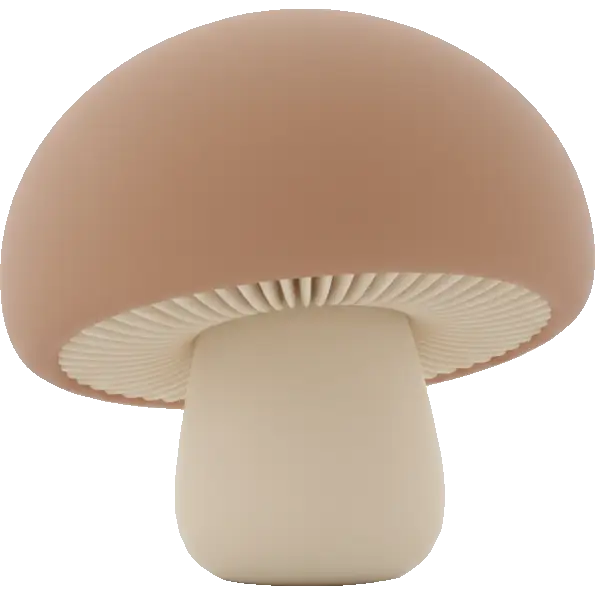
mushroom
Fungi
Is mushroom low histamine-compatible?
See whether mushroom fits a low histamine diet, with a clear compatible-or-avoid verdict plus its FODMAP, histamine and other trigger ratings in one place.
Related checkers
Compare mushroom across criteria
Sensitivity notes
Why low histamine diet checker matters
Low Histamine affects how your body responds to certain foods. Understanding your personal tolerance helps you make informed choices.
- Keep a detailed food and symptom diary to track your personal reactions
- Eliminate the suspected trigger completely for 2-4 weeks
- Reintroduce gradually to find your personal tolerance threshold
- Work with a healthcare provider or registered dietitian for guidance
- Remember that food sensitivities can change over time
Sensitivities
What mushroom contains
FODMAPs
Histamine & Amines
Plant compounds
Irritants
Additives
Allergens
Diet fit
Where mushroom fits
Therapeutic diets
Lifestyle diets
Religious diets
What to know about mushroom
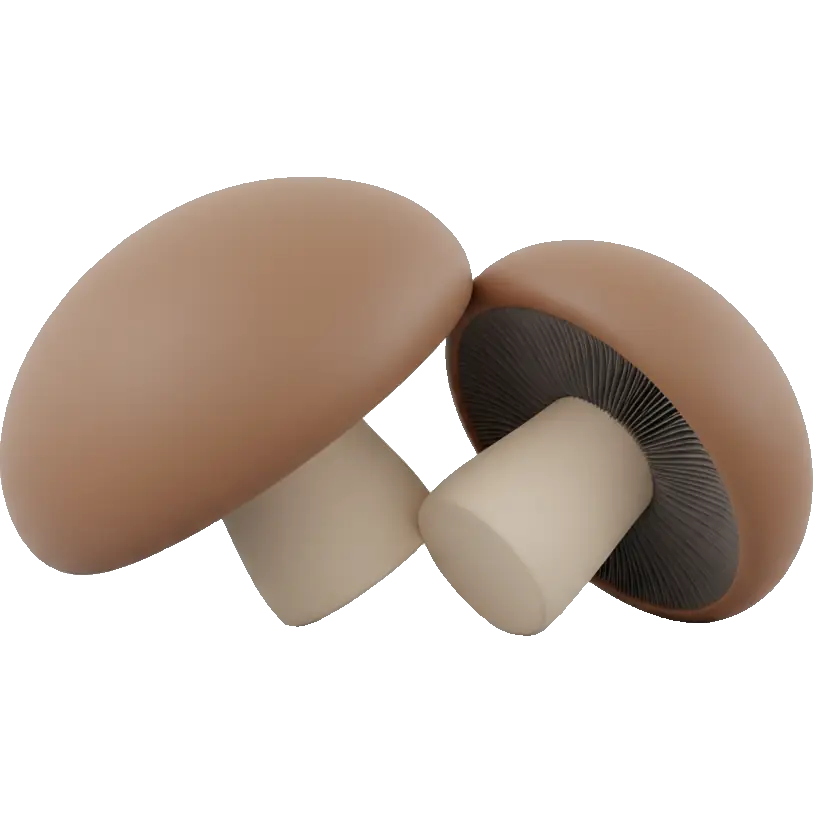
Mushrooms are a rare food that lands high on several unrelated trigger scales at once. They are one of the richest natural sources of free glutamates, the umami compound linked to MSG-type reactions, and they are high in salicylates. They are also high in polyols (mannitol), a FODMAP that ferments in the gut, and moderate in histamine. That stack is why mushrooms can bring on headaches, bloating or flushing even though they look like a plain, healthy vegetable.
Watch for
- One of the highest natural sources of free glutamates, so they can trigger MSG-style headaches or flushing
- High in salicylates, a common trigger for people sensitive to aspirin or salicylate-rich foods
- High in polyols (mannitol), a FODMAP that causes bloating and gas in a sensitive gut
- Moderate in histamine, which can add to symptoms if you have histamine intolerance



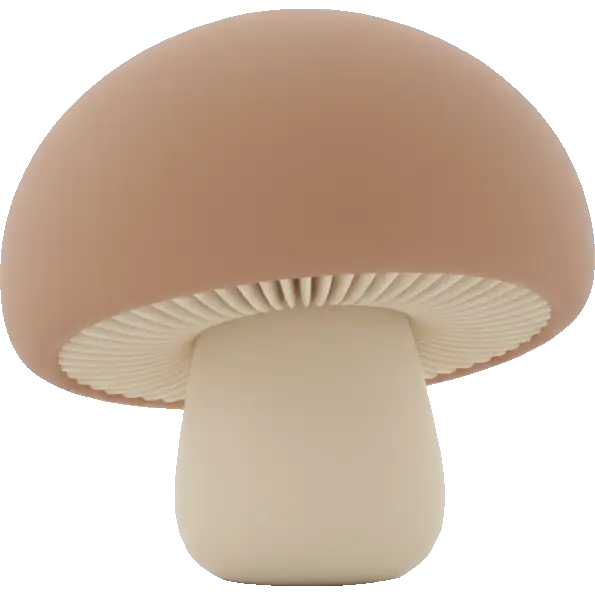
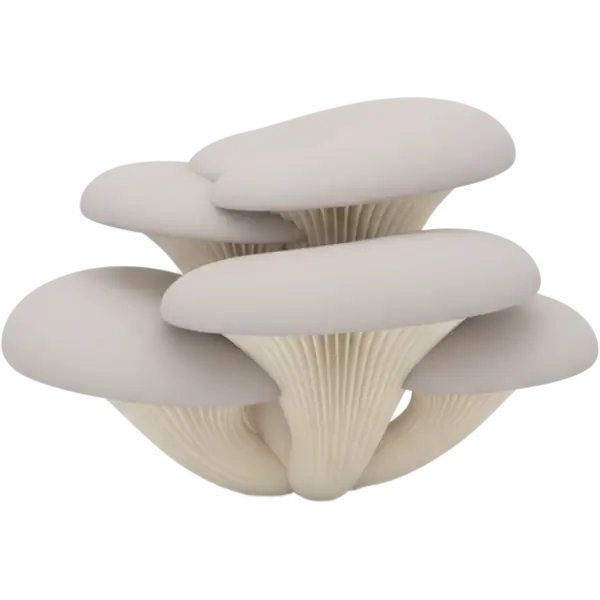
Explore related in Fungi
Compare similar foods to build a personalized list of swaps that work for your system.
Low Histamine Guide
Everything you need to know about low histamine compatibility and smart food choices.
Low Histamine affects how your body responds to certain foods. Understanding your personal tolerance helps you make informed choices.
These foods are typically compatible with a Low Histamine approach:
View all safe options





Practical guidance for following a Low Histamine diet:
- 1Keep a detailed food and symptom diary to track your personal reactions
- 2Eliminate the suspected trigger completely for 2-4 weeks
- 3Reintroduce gradually to find your personal tolerance threshold
- 4Work with a healthcare provider or registered dietitian for guidance
- 5Remember that food sensitivities can change over time
Pro tip: Keep a food diary to track your reactions. The Triggerbites app makes this easy with automatic pattern detection.
Want personalized tracking?
Download Triggerbites to log meals, track symptoms, and discover your unique triggers.
Get the AppFAQ
Does mushroom fit a low histamine diet?
Low Histamine: mixed fit - check ingredients.
What if I eat it occasionally?
Keep portions small and verify ingredients.
What are safer swaps?
Compare within the Fungi group.