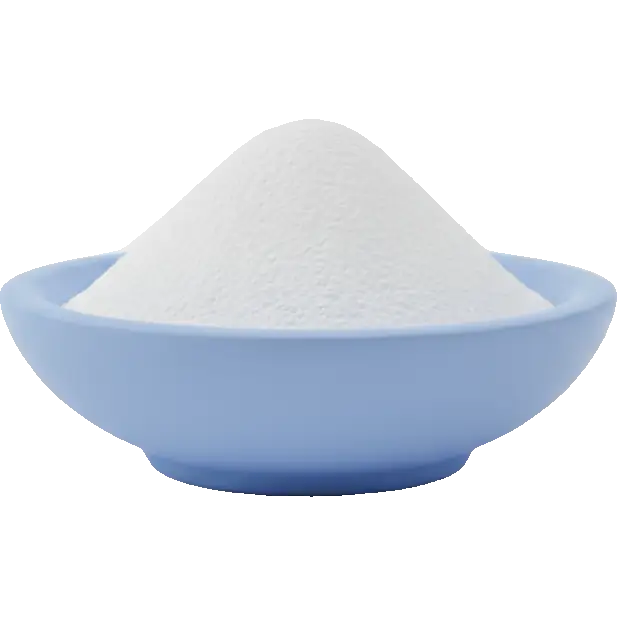
glucose
Sweeteners
Is glucose low histamine-compatible?
See whether glucose fits a low histamine diet, with a clear compatible-or-avoid verdict plus its FODMAP, histamine and other trigger ratings in one place.
Related checkers
Compare glucose across criteria
Sensitivity notes
Why low histamine diet checker matters
Low Histamine affects how your body responds to certain foods. Understanding your personal tolerance helps you make informed choices.
- Keep a detailed food and symptom diary to track your personal reactions
- Eliminate the suspected trigger completely for 2-4 weeks
- Reintroduce gradually to find your personal tolerance threshold
- Work with a healthcare provider or registered dietitian for guidance
- Remember that food sensitivities can change over time
Sensitivities
What glucose contains
FODMAPs
Histamine & Amines
Plant compounds
Irritants
Additives
Allergens
Diet fit
Where glucose fits
Therapeutic diets
Lifestyle diets
Religious diets
What to know about glucose
Glucose, which appears on most ingredient lists as dextrose, is the rare sweetener that grades A on every trigger column we track: total FODMAPs, fructans, GOS, excess fructose, polyols, lactose, gluten, histamine content, histamine liberation, salicylates, oxalates, nickel, sulfites, nitrites, glutamates, tyramine, caffeine, dairy protein and SIBO fermentability. That is structural, not luck. Table sugar is sucrose, half glucose and half fructose. Honey, agave and high fructose corn syrup carry fructose in excess of glucose, and that excess is the precise condition that saturates GLUT5 transport in the small intestine and produces the bloating, wind and loose stools of fructose malabsorption. Glucose has no fructose half to malabsorb. It is taken up actively and almost completely in the small intestine, so it does not reach the colon to ferment, which is why its SIBO grade is A rather than the E that most liquid sweeteners carry. It goes further than merely neutral: glucose eaten alongside fructose actively improves fructose uptake, which is why the FODMAP rule is written as "fructose in excess of glucose" and why balanced-sugar fruit is tolerated when honey is not. The honest caveat is metabolic rather than digestive. Glucose is refined sugar with the fastest blood-sugar response of the common sweeteners, graded D for anti-inflammatory eating and D against DASH and Mediterranean patterns.
Watch for
- Clean at A on every food-chemistry and FODMAP column, which is why it is the sweetener we reach for first when a page needs a swap for honey, agave or high fructose corn syrup
- Absorbed by active transport rather than fermented, so it grades A for SIBO fermentability where most syrups grade E.Relevant if bacterial overgrowth, not fructose, is your working theory
- Eaten with a fructose-heavy food it helps fructose across the gut wall.This is the mechanism behind the excess-fructose rule, and it is the reason a fruit with balanced sugars behaves differently from one loaded with free fructose
- Digestive safety is not metabolic safety.Glucose produces the sharpest glycaemic rise of the common sugars and grades D for anti-inflammatory eating and D against DASH and Mediterranean patterns
- Watch the full name on a label."Glucose syrup" is close to this, but "glucose-fructose syrup" or "fructose-glucose syrup" has had part of the glucose converted and behaves like corn syrup or HFCS instead

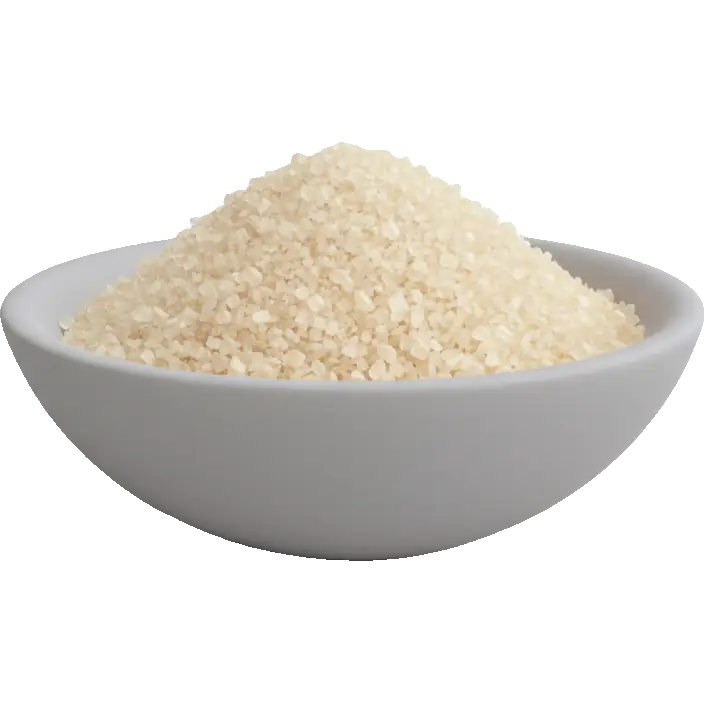

Explore related in Sweeteners
Compare similar foods to build a personalized list of swaps that work for your system.


Low Histamine Guide
Everything you need to know about low histamine compatibility and smart food choices.
Low Histamine affects how your body responds to certain foods. Understanding your personal tolerance helps you make informed choices.
These foods are typically compatible with a Low Histamine approach:
View all safe options







Practical guidance for following a Low Histamine diet:
- 1Keep a detailed food and symptom diary to track your personal reactions
- 2Eliminate the suspected trigger completely for 2-4 weeks
- 3Reintroduce gradually to find your personal tolerance threshold
- 4Work with a healthcare provider or registered dietitian for guidance
- 5Remember that food sensitivities can change over time
Pro tip: Keep a food diary to track your reactions. The Triggerbites app makes this easy with automatic pattern detection.
Want personalized tracking?
Download Triggerbites to log meals, track symptoms, and discover your unique triggers.
Get the AppFAQ
Does glucose fit a low histamine diet?
Low Histamine: fits well for most plans.
What if I eat it occasionally?
Still check preparation and add-ins.
What are safer swaps?
Compare within the Sweeteners group.