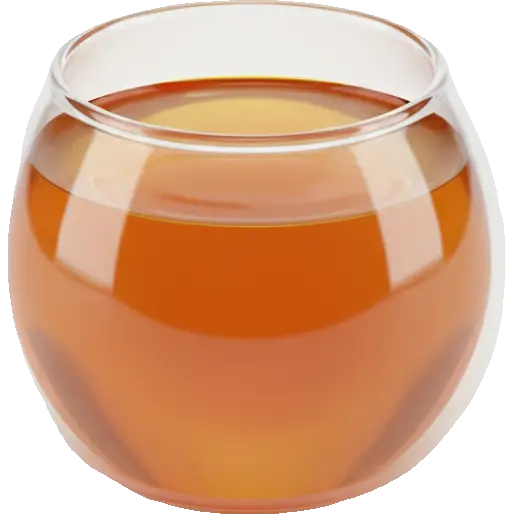
golden syrup
Sweeteners
Is golden syrup low fibre-compatible?
See whether golden syrup fits a low fibre diet, with a clear compatible-or-avoid verdict plus its FODMAP, histamine and other trigger ratings in one place.
Related checkers
Compare golden syrup across criteria
Sensitivity notes
Why low fibre diet checker matters
Low Fibre affects how your body responds to certain foods. Understanding your personal tolerance helps you make informed choices.
- Keep a detailed food and symptom diary to track your personal reactions
- Eliminate the suspected trigger completely for 2-4 weeks
- Reintroduce gradually to find your personal tolerance threshold
- Work with a healthcare provider or registered dietitian for guidance
- Remember that food sensitivities can change over time
Sensitivities
What golden syrup contains
FODMAPs
Histamine & Amines
Plant compounds
Irritants
Additives
Allergens
Diet fit
Where golden syrup fits
Therapeutic diets
Lifestyle diets
Religious diets
What to know about golden syrup
Golden syrup, the amber tin in every British baking cupboard, is cane sugar that has been partially inverted. During refining an acid step splits part of the sucrose into free glucose and free fructose, which is what stops the syrup crystallising and gives it the buttery caramel flavour it is bought for. That single chemical step is why it grades differently from the sugar it came from. Cane sugar is A for excess fructose, because its fructose is locked to glucose in a one-to-one sucrose molecule and the two travel across the gut wall together. Inversion unlocks part of that, leaving free fructose that has to cross on GLUT5 by itself. Golden syrup therefore grades C for excess fructose, C for total FODMAPs and C for SIBO fermentability: borderline and dose dependent, easy enough by the teaspoon over porridge and considerably less easy in a tray of flapjacks or a treacle tart. Away from sugar chemistry it is quiet, grading A for gluten, histamine and histamine liberation, salicylates, oxalates, sulfites, nickel, glutamates, lactose and dairy protein.
Watch for
- Partial inversion is the whole story.Free fructose from split sucrose puts golden syrup at C for excess fructose, where the uninverted cane sugar it is made from grades A
- C for total FODMAPs and C for SIBO fermentability, which is awkward given that golden syrup is used almost exclusively in sticky baking where nobody stops at a teaspoon
- Do not confuse it with black treacle or molasses.Those grade D for FODMAPs, D for sulfites and C for salicylates, so they are a different and broader risk than the one on this page
- Gluten free by composition at A, even though it usually turns up bound into wheat flour in flapjacks, gingerbread and tarts
- Refined sugar all the same: D for anti-inflammatory eating and D against DASH and Mediterranean patterns
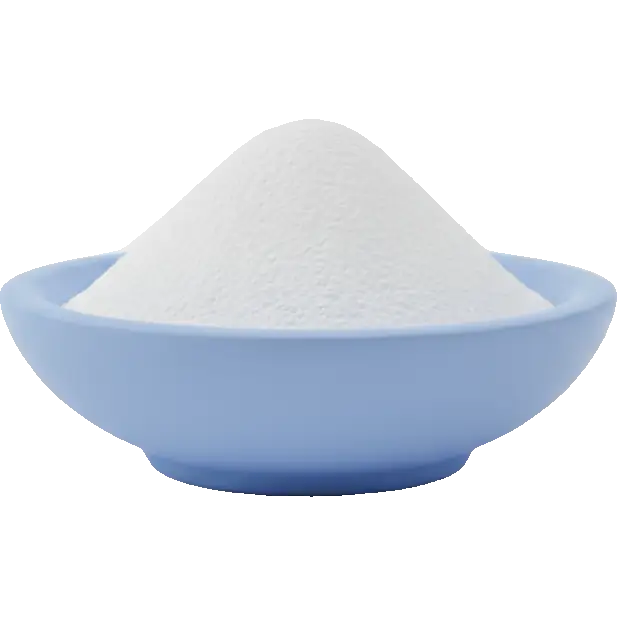
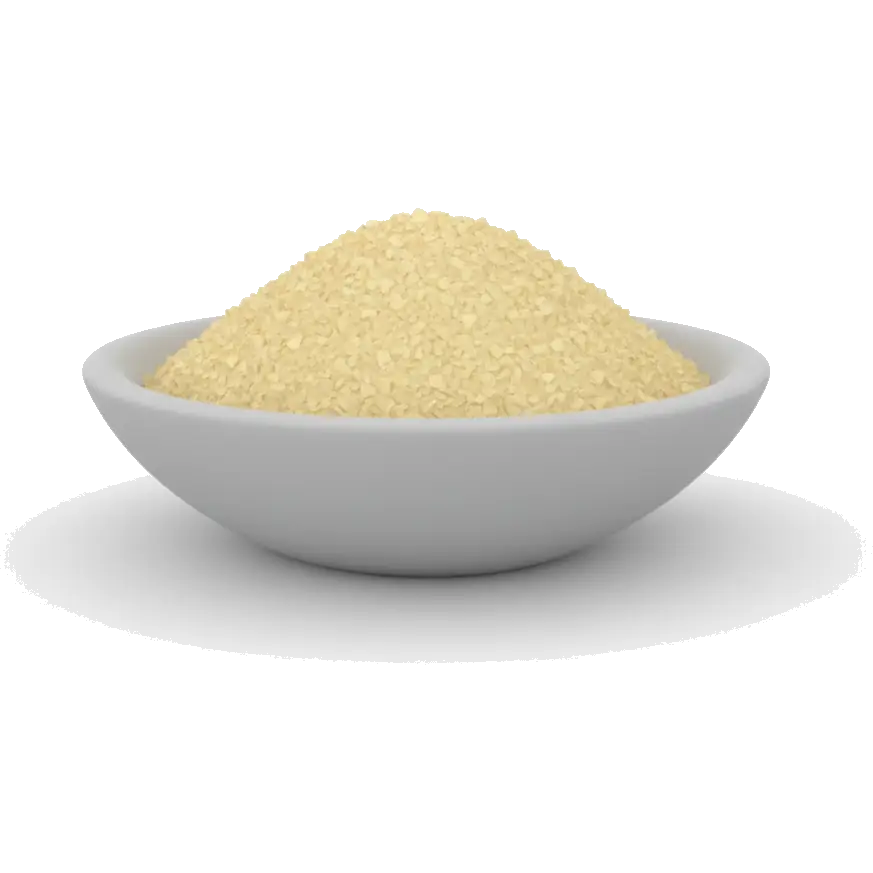
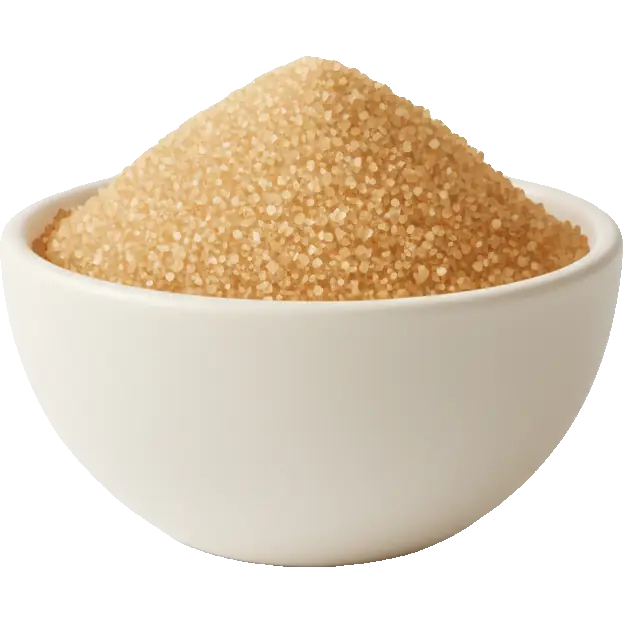


Explore related in Sweeteners
Compare similar foods to build a personalized list of swaps that work for your system.

Low Fibre Guide
Everything you need to know about low fibre compatibility and smart food choices.
Low Fibre affects how your body responds to certain foods. Understanding your personal tolerance helps you make informed choices.
These foods are typically compatible with a Low Fibre approach:
View all safe options







Practical guidance for following a Low Fibre diet:
- 1Keep a detailed food and symptom diary to track your personal reactions
- 2Eliminate the suspected trigger completely for 2-4 weeks
- 3Reintroduce gradually to find your personal tolerance threshold
- 4Work with a healthcare provider or registered dietitian for guidance
- 5Remember that food sensitivities can change over time
Pro tip: Keep a food diary to track your reactions. The Triggerbites app makes this easy with automatic pattern detection.
Want personalized tracking?
Download Triggerbites to log meals, track symptoms, and discover your unique triggers.
Get the AppFAQ
Does golden syrup fit a low fibre diet?
Low Fibre: fits well for most plans.
What if I eat it occasionally?
Still check preparation and add-ins.
What are safer swaps?
Compare within the Sweeteners group.