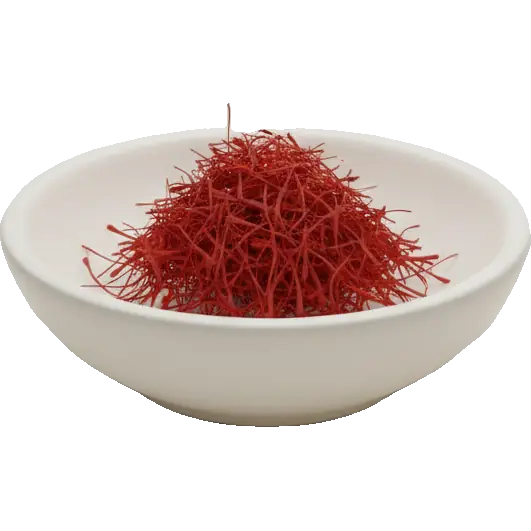
saffron
Herbs & Spices
Is saffron low-carb-compatible?
See whether saffron fits a low-carb diet, with a clear compatible-or-avoid verdict plus its FODMAP, histamine and other trigger ratings in one place.
Related checkers
Compare saffron across criteria
Sensitivity notes
Why low-carb diet checker matters
Low-carb affects how your body responds to certain foods. Understanding your personal tolerance helps you make informed choices.
- Keep a detailed food and symptom diary to track your personal reactions
- Eliminate the suspected trigger completely for 2-4 weeks
- Reintroduce gradually to find your personal tolerance threshold
- Work with a healthcare provider or registered dietitian for guidance
- Remember that food sensitivities can change over time
Sensitivities
What saffron contains
FODMAPs
Histamine & Amines
Plant compounds
Irritants
Additives
Allergens
Diet fit
Where saffron fits
Therapeutic diets
Lifestyle diets
Religious diets
What to know about saffron
Saffron is the hand-picked stigma of the Crocus sativus flower, roughly 150 flowers to the gram, which is why it is the most expensive spice on earth by weight. As a trigger it is unusually quiet: low FODMAP across all four subgroups, low in histamine, no gluten, no lactose, no nickel, no sulfites and no tyramine. The only grades worth reading are a moderate C on salicylates plus mild B marks for histamine liberation, oxalate and free glutamate, and since a recipe pinch is a fraction of a gram, even those land small. The practical risk with saffron is almost never the spice itself. It is what has been mixed into it: safflower and marigold petals, turmeric powder, beet fibre and dyed silk threads are all documented adulterants, and any of those can carry triggers that real saffron does not.
Watch for
- Adulteration is the real story.Powdered saffron is routinely cut with turmeric, safflower or paprika, and turmeric is graded a high D on salicylates where saffron is only a moderate C. If cheap saffron bothers you and whole threads do not, suspect the filler rather than the crocus
- Moderate salicylate (C), so it is not a zero for salicylate-sensitive eaters, but a culinary pinch under half a gram is a very different exposure from a supplement capsule
- Mild histamine liberator (B) while the spice itself is low in histamine (A), so it is a reasonable seasoning on a histamine-restricted plate rather than something to avoid
- Dose separates food from medicine here.Culinary amounts sit far below any concern, while ingestion at gram scale (around 5 g and above) has been linked to serious adverse effects and is not a food-level exposure at all
- Mild free glutamate (B) contributes to its savoury depth, which is worth noting only if you are tracking glutamate-driven headaches

Explore related in Herbs & Spices
Compare similar foods to build a personalized list of swaps that work for your system.
Low-carb Guide
Everything you need to know about low-carb compatibility and smart food choices.
Low-carb affects how your body responds to certain foods. Understanding your personal tolerance helps you make informed choices.
These foods are typically compatible with a Low-carb approach:
View all safe options






Practical guidance for following a Low-carb diet:
- 1Keep a detailed food and symptom diary to track your personal reactions
- 2Eliminate the suspected trigger completely for 2-4 weeks
- 3Reintroduce gradually to find your personal tolerance threshold
- 4Work with a healthcare provider or registered dietitian for guidance
- 5Remember that food sensitivities can change over time
Pro tip: Keep a food diary to track your reactions. The Triggerbites app makes this easy with automatic pattern detection.
Want personalized tracking?
Download Triggerbites to log meals, track symptoms, and discover your unique triggers.
Get the AppFAQ
Does saffron fit a low-carb diet?
Low-carb: fits well for most plans.
What if I eat it occasionally?
Still check preparation and add-ins.
What are safer swaps?
Compare within the Herbs & Spices group.