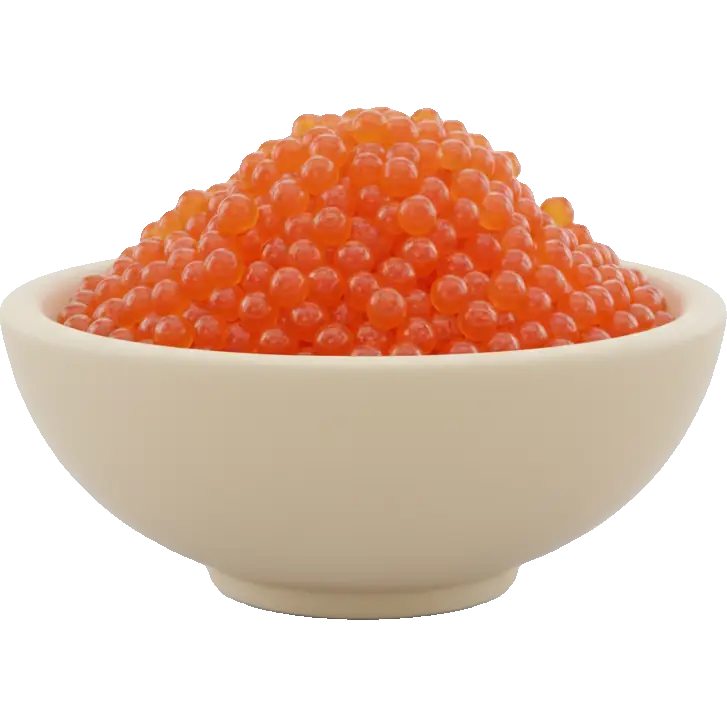
tobiko
Seafood
Is tobiko high in lectin?
Is tobiko high or low in lectin? See its exact rating, how much counts as a portion, and its FODMAP, salicylate, oxalate and diet compatibility in one place.
Related checkers
Compare tobiko across criteria
Sensitivity notes
Why lectin food checker matters
Lectins are proteins found in many plant foods, especially legumes and grains. Some people follow low-lectin diets believing they reduce inflammation and digestive issues, though properly cooked foods have reduced lectin content.
- Proper cooking destroys most lectins - never eat raw beans
- Pressure cooking is highly effective at reducing lectins
- Peeling and deseeding reduces lectin content
- Fermentation can reduce lectins in some foods
- Sprouting may increase or decrease lectins depending on the food
Sensitivities
What tobiko contains
FODMAPs
Histamine & Amines
Plant compounds
Irritants
Additives
Allergens
Diet fit
Where tobiko fits
Therapeutic diets
Lifestyle diets
Religious diets
What to know about tobiko
Tobiko is flying fish roe, the small crunchy orange beads scattered over sushi rolls, and it is worth separating from the fish it came from in two ways. First, fish roe is recognised as an allergen distinct from fish flesh: people allergic to fish roe who eat fish without trouble are well described, and the reverse happens too. Second, tobiko is never sold as plain roe. It is cured in salt, often with soy sauce, mirin and sugar, and the coloured varieties are dyed with wasabi, yuzu or squid ink. Almost everything on the trigger chart belongs to the cure rather than the egg.
Watch for
- Fish roe is a separate allergen from fish flesh.The proteins involved differ, so tolerating salmon does not predict tolerating roe, and an allergy to roe does not mean fish is off the table. Roe allergy is well documented and can be significant.
- It is a cured product.Salt, soy sauce, mirin and sugar are standard, which means tobiko carries wheat and soy from the soy sauce and a real sodium load that plain roe would not.
- Graded mild on histamine, histamine liberation and tyramine.That is the cure and the storage speaking, since salting and holding are amine friendly conditions.
- Fish and shellfish is one of the six groups removed on a six food elimination diet for eosinophilic oesophagitis, so tobiko comes out on that protocol regardless of how gently it grades elsewhere.
- The coloured varieties are not flavour free.Green is wasabi, yellow is usually yuzu, black is squid ink, and red is often beetroot or paprika. Each brings its own ingredient to log.



Explore related in Seafood
Compare similar foods to build a personalized list of swaps that work for your system.


Lectin Guide
Everything you need to know about lectin sensitivity and smart food choices.
Lectins are proteins found in many plant foods, especially legumes and grains. Some people follow low-lectin diets believing they reduce inflammation and digestive issues, though properly cooked foods have reduced lectin content.
Sensitivity varies widely. What triggers one person may be fine for another. Track your reactions to find your personal threshold.
These foods are generally well-tolerated for Lectin sensitivity:
View all safe options



















If you're sensitive to Lectin, consider these strategies:
- 1Proper cooking destroys most lectins - never eat raw beans
- 2Pressure cooking is highly effective at reducing lectins
- 3Peeling and deseeding reduces lectin content
- 4Fermentation can reduce lectins in some foods
- 5Sprouting may increase or decrease lectins depending on the food
Pro tip: Keep a food diary to track your reactions. The Triggerbites app makes this easy with automatic pattern detection.
Want personalized tracking?
Download Triggerbites to log meals, track symptoms, and discover your unique triggers.
Get the AppFAQ
Is tobiko high in Lectin?
Lectin: low signal for most people.
Can I still eat tobiko if I'm sensitive to Lectin?
Usually fine in normal portions.
What else should I check?
Check Fish, Vegan, and Vegetarian next for a fuller picture.