
grouper
Seafood
Is grouper high in lectin?
Is grouper high or low in lectin? See its exact rating, how much counts as a portion, and its FODMAP, salicylate, oxalate and diet compatibility in one place.
Related checkers
Compare grouper across criteria
Sensitivity notes
Why lectin food checker matters
Lectins are proteins found in many plant foods, especially legumes and grains. Some people follow low-lectin diets believing they reduce inflammation and digestive issues, though properly cooked foods have reduced lectin content.
- Proper cooking destroys most lectins - never eat raw beans
- Pressure cooking is highly effective at reducing lectins
- Peeling and deseeding reduces lectin content
- Fermentation can reduce lectins in some foods
- Sprouting may increase or decrease lectins depending on the food
Sensitivities
What grouper contains
FODMAPs
Histamine & Amines
Plant compounds
Irritants
Additives
Allergens
Diet fit
Where grouper fits
Therapeutic diets
Lifestyle diets
Religious diets
What to know about grouper
Grouper is a gluten-free, low FODMAP fish that grades clean on salicylates, oxalates, nickel, sulfites and glutamates, and only moderate (B) on histamine, histamine liberation and tyramine. Its genuine risks sit outside the usual food-chemistry columns. Grouper is a large, long-lived reef predator, and both of the things that accumulate in a fish like that (ciguatoxin from the reef food chain, and mercury from decades of eating other fish) scale with its size. A third problem compounds them: grouper is one of the most frequently mislabelled fish sold in the United States, so the fillet in front of you may not be grouper at all, and the substitute is sometimes a species with worse mercury than the real thing.
Watch for
- Ciguatera is the risk that separates grouper from ordinary whitefish.Ciguatoxin builds up through reef algae into the predators that feed there, and grouper sits high in that chain. Reactions can include vomiting and diarrhoea followed by tingling, joint pain and a reversed sense of hot and cold that lingers for weeks. Cooking, freezing, curing and smoking do not destroy the toxin, and the fish tastes normal
- Mercury tracks with size and age, so a big old grouper carries more than a small one.US federal advice places grouper in the once-a-week tier rather than the eat-often tier, which matters most in pregnancy and for young children
- Species substitution is well documented.Oceana DNA testing found king mackerel, a high-mercury fish on the federal avoid list, being sold as grouper, alongside farmed pangasius, perch and bream. If you are tracking reactions, an unreliable label makes the log unreliable too
- Moderate on histamine, histamine liberation and tyramine (all B), which is fine for most people but means grouper is a fresh-only item during a strict low-histamine elimination phase.Much of the grouper sold in the US is imported and previously frozen, so handling after thawing is what counts
- Grouper is overwhelmingly a restaurant fish: blackened, in a sandwich, or fried.The paprika and cayenne in a blackening rub are nightshades, the batter is wheat, and the tartare or remoulade alongside it is a bigger trigger load than the fish


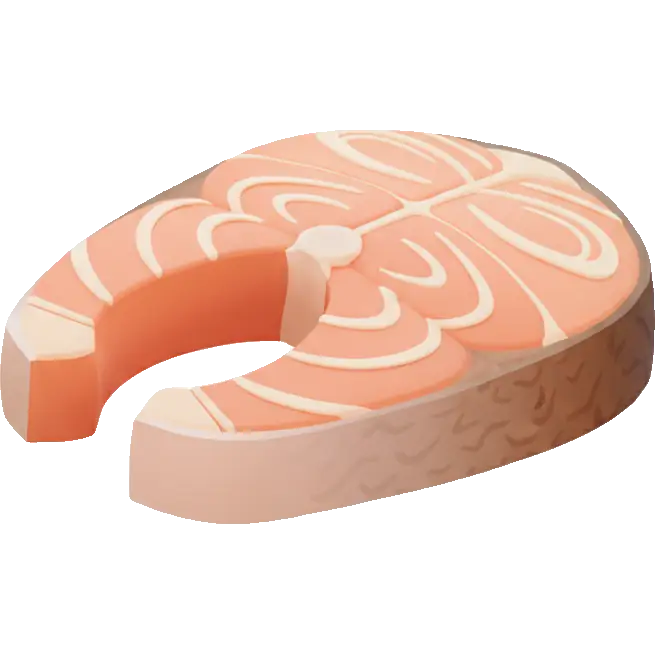





Explore related in Seafood
Compare similar foods to build a personalized list of swaps that work for your system.


Lectin Guide
Everything you need to know about lectin sensitivity and smart food choices.
Lectins are proteins found in many plant foods, especially legumes and grains. Some people follow low-lectin diets believing they reduce inflammation and digestive issues, though properly cooked foods have reduced lectin content.
Sensitivity varies widely. What triggers one person may be fine for another. Track your reactions to find your personal threshold.
These foods are generally well-tolerated for Lectin sensitivity:
View all safe options




















If you're sensitive to Lectin, consider these strategies:
- 1Proper cooking destroys most lectins - never eat raw beans
- 2Pressure cooking is highly effective at reducing lectins
- 3Peeling and deseeding reduces lectin content
- 4Fermentation can reduce lectins in some foods
- 5Sprouting may increase or decrease lectins depending on the food
Pro tip: Keep a food diary to track your reactions. The Triggerbites app makes this easy with automatic pattern detection.
Want personalized tracking?
Download Triggerbites to log meals, track symptoms, and discover your unique triggers.
Get the AppFAQ
Is grouper high in Lectin?
Lectin: low signal for most people.
Can I still eat grouper if I'm sensitive to Lectin?
Usually fine in normal portions.
What else should I check?
Check Fish, Vegan, and Vegetarian next for a fuller picture.