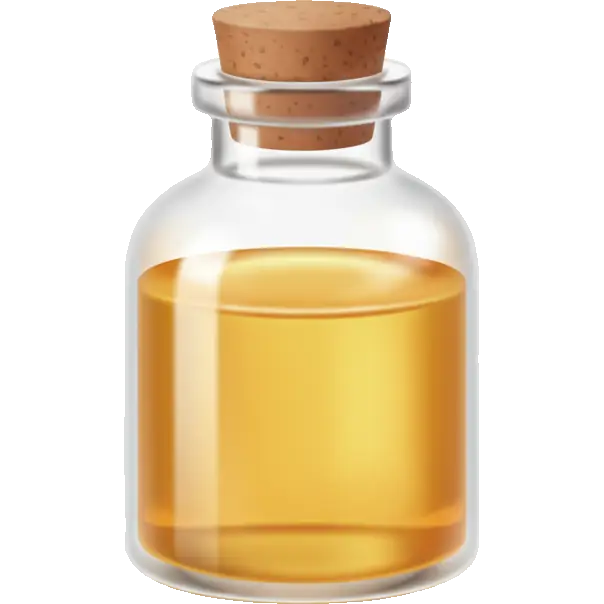
wheat germ oil
Oils & Fats
Is wheat germ oil kosher-compatible?
See whether wheat germ oil fits a kosher diet, with a clear compatible-or-avoid verdict plus its FODMAP, histamine and other trigger ratings in one place.
Related checkers
Compare wheat germ oil across criteria
Sensitivity notes
Why kosher diet checker matters
Kosher affects how your body responds to certain foods. Understanding your personal tolerance helps you make informed choices.
- Keep a detailed food and symptom diary to track your personal reactions
- Eliminate the suspected trigger completely for 2-4 weeks
- Reintroduce gradually to find your personal tolerance threshold
- Work with a healthcare provider or registered dietitian for guidance
- Remember that food sensitivities can change over time
Sensitivities
What wheat germ oil contains
FODMAPs
Histamine & Amines
Plant compounds
Irritants
Additives
Allergens
Diet fit
Where wheat germ oil fits
Therapeutic diets
Lifestyle diets
Religious diets
What to know about wheat germ oil
Wheat germ oil is cold pressed from the germ, the embryo of the wheat kernel, and it is unusual on two counts. It is the richest common dietary source of vitamin E, by a wide margin, and it is so unstable that it is sold refrigerated in small bottles and is essentially unusable for cooking. It is a supplement and a finishing oil rather than a kitchen staple. The question it exists to answer here is the gluten one, and the answer is more careful than a simple yes or no, which is why this row grades moderate rather than clean on gluten.
Watch for
- Gluten grades moderate rather than clean, and that grade is defensible.Gluten is a protein and pure oil contains essentially none, but wheat germ oil is cold pressed and unrefined, it is pressed from a wheat fraction, and the equipment is a wheat processing line. For coeliac disease that combination is a reason for caution rather than reassurance.
- It oxidises faster than almost any other edible oil, because it is very high in polyunsaturated fat and the vitamin E only slows the process.Keep it refrigerated, buy small, and discard it when it smells of old paint.
- Do not cook with it.Heat destroys the vitamin E that is the reason to buy it and accelerates the rancidity it is already prone to.
- It is often sold as a supplement in capsules for the vitamin E, which is a different product and a different dose from a bottle used as a dressing oil.
- Not AIP compliant, since the autoimmune protocol excludes grain derived oils.


Explore related in Oils & Fats
Compare similar foods to build a personalized list of swaps that work for your system.

Kosher Guide
Everything you need to know about kosher compatibility and smart food choices.
Kosher affects how your body responds to certain foods. Understanding your personal tolerance helps you make informed choices.
These foods are typically compatible with a Kosher approach:
View all safe options







Practical guidance for following a Kosher diet:
- 1Keep a detailed food and symptom diary to track your personal reactions
- 2Eliminate the suspected trigger completely for 2-4 weeks
- 3Reintroduce gradually to find your personal tolerance threshold
- 4Work with a healthcare provider or registered dietitian for guidance
- 5Remember that food sensitivities can change over time
Pro tip: Keep a food diary to track your reactions. The Triggerbites app makes this easy with automatic pattern detection.
Want personalized tracking?
Download Triggerbites to log meals, track symptoms, and discover your unique triggers.
Get the AppFAQ
Does wheat germ oil fit a kosher diet?
Kosher: fits well for most plans.
What if I eat it occasionally?
Still check preparation and add-ins.
What are safer swaps?
Compare within the Oils & Fats group.