 Back to Ingredient checker
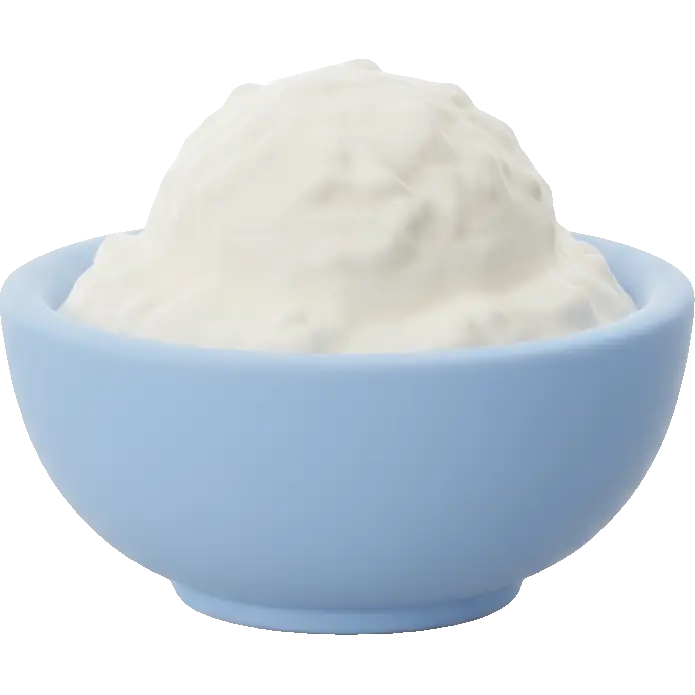
ricotta cheese
Dairy & Alternatives
Trigger checker for ricotta cheese
See ricotta cheese rated across every trigger — FODMAP, histamine, salicylate, oxalate, tyramine and more — plus diet compatibility, all in one quick ingredient profile.

Related checkers
Compare ricotta cheese across criteria

Sensitivities
What ricotta cheese contains
FODMAPs







Histamine & Amines



Plant compounds




Irritants




Additives



Allergens
















Diet fit
Where ricotta cheese fits
Therapeutic diets










Lifestyle diets









Religious diets






What to know about ricotta cheese
Ricotta is made from whey, the watery part of milk left after other cheeses are set, and as a fresh unaged cheese it is graded high in lactose while carrying whey and casein dairy protein. That is why the ricotta layer in lasagna, or a bowl of ricotta pancakes, can leave lactose-intolerant eaters bloated and gassy even though ricotta tastes mild and light. Being barely fermented it is low in histamine, so a reaction is almost always about lactose or milk protein, not amines.
Watch for
- High in lactose, because a fresh whey cheese keeps the milk sugar that long ageing would break down
- Whey based, so it is especially rich in whey protein alongside casein, both triggers for a dairy protein sensitivity
- Rated poorly for SIBO, where the lactose in a big baked portion can drive fermentation and bloating
- Low in histamine, unlike the aged cheeses that build up amines, so gut symptoms here point to lactose
Explore related in Dairy & Alternatives
Compare similar foods to build a personalized list of swaps that work for your system.
FAQ
What does the FODMAP rating mean for ricotta cheese?
Medium FODMAP: portion size matters more than the ingredient itself.
Is ricotta cheese generally well tolerated?
Lactose (Avoid) and Dairy Proteins (Avoid) Start with those if you react.
What should I check next?
Compare within the Dairy & Alternatives group.