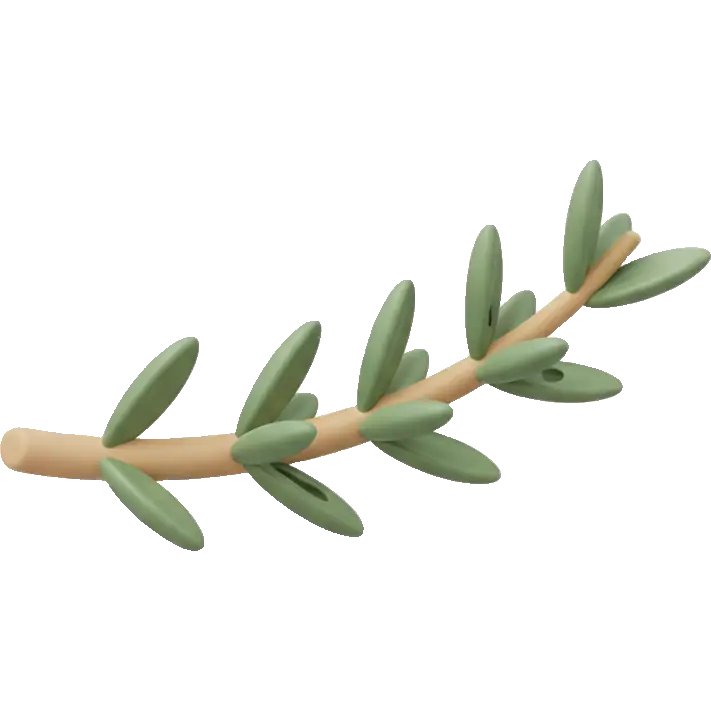
mountain savory
Herbs & Spices
Is mountain savory high in histamine?
Is mountain savory high or low in histamine? See its exact rating, how much counts as a portion, and its FODMAP, salicylate, oxalate and diet compatibility in one place.
Related checkers
Compare mountain savory across criteria
Sensitivity notes
Why histamine food checker matters
Histamine is a compound naturally present in many foods, especially aged, fermented, or preserved items. In sensitive individuals, excess histamine can cause headaches, flushing, hives, digestive issues, and other symptoms. Your body normally breaks down histamine, but some people have reduced capacity to do so.
- Focus on fresh foods - histamine builds up as food ages
- Cook and eat meals fresh; avoid leftovers sitting more than 24 hours
- Be cautious with fermented foods, aged cheeses, and cured meats
- Consider that stress and hormones can affect your histamine tolerance
- Some antihistamines or DAO supplements may help (consult your doctor)
Sensitivities
What mountain savory contains
FODMAPs
Histamine & Amines
Plant compounds
Irritants
Additives
Allergens
Diet fit
Where mountain savory fits
Therapeutic diets
Lifestyle diets
Religious diets
What to know about mountain savory
Mountain savory is the perennial, woody half of the savory pair: Satureja montana, sold dried as winter savory, more resinous and considerably more pungent than the soft annual summer savory it is often sold beside. It is the peppery note in herbes de Provence and the traditional herb for beans across southern Europe. On the trigger chart it carries a single non-clean mark, a moderate salicylate grade, and that grade is worth reading carefully because it is a shared dried-spice default in this dataset rather than a measurement taken from savory.
Watch for
- Its salicylate grade of C is a block default shared byte for byte with a group of other dried seasonings rather than a savory-specific figure.Aromatic dried herbs do tend to sit moderate on salicylate lists, so treat C as a plausible prior rather than as evidence.
- Histamine liberation is unrated, not clean.If you are strict on liberators, the blank means untested.
- The essential oil is a different proposition from the herb.Savory oil is rich in carvacrol and thymol and is sold as a concentrated antimicrobial supplement, at doses no amount of seasoning approaches.
- Winter and summer savory are used differently in the kitchen even where they grade alike.Winter savory is tougher, more bitter and wants long cooking; summer savory is soft enough to finish a dish with.
- It is a Lamiaceae herb, the mint and oregano family, so people with a known reaction to that family should treat it as related rather than new.



Explore related in Herbs & Spices
Compare similar foods to build a personalized list of swaps that work for your system.

Histamine Guide
Everything you need to know about histamine sensitivity and smart food choices.
Histamine is a compound naturally present in many foods, especially aged, fermented, or preserved items. In sensitive individuals, excess histamine can cause headaches, flushing, hives, digestive issues, and other symptoms. Your body normally breaks down histamine, but some people have reduced capacity to do so.
Sensitivity varies widely. What triggers one person may be fine for another. Track your reactions to find your personal threshold.
These foods are generally well-tolerated for Histamine sensitivity:
View all safe options







These foods have moderate levels and may be tolerated in small amounts:








These foods are high in histamine and may trigger symptoms:
View full list







If you're sensitive to Histamine, consider these strategies:
- 1Focus on fresh foods - histamine builds up as food ages
- 2Cook and eat meals fresh; avoid leftovers sitting more than 24 hours
- 3Be cautious with fermented foods, aged cheeses, and cured meats
- 4Consider that stress and hormones can affect your histamine tolerance
- 5Some antihistamines or DAO supplements may help (consult your doctor)
Pro tip: Keep a food diary to track your reactions. The Triggerbites app makes this easy with automatic pattern detection.
Want personalized tracking?
Download Triggerbites to log meals, track symptoms, and discover your unique triggers.
Get the AppFAQ
Is mountain savory high in Histamine?
Histamine: low signal for most people.
Can I still eat mountain savory if I'm sensitive to Histamine?
Usually fine in normal portions.
What else should I check?
Check Salicylates, Low Salicylate, and Low Fibre next for a fuller picture.