 Back to Histamine food checker
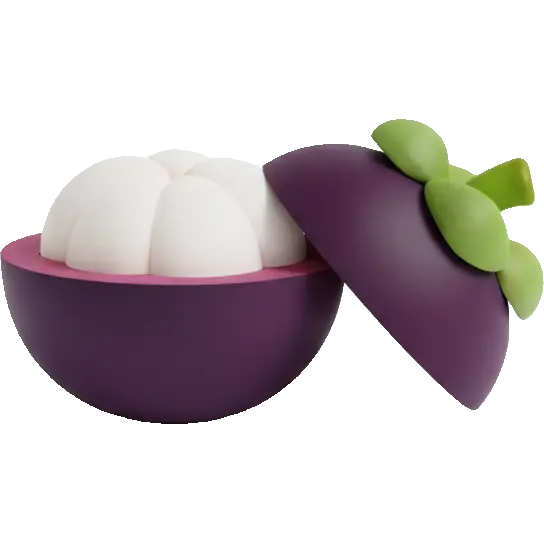
mangosteen
Fruit
Is mangosteen high in histamine?
Is mangosteen high or low in histamine? See its exact rating, how much counts as a portion, and its FODMAP, salicylate, oxalate and diet compatibility in one place.

Related checkers
Compare mangosteen across criteria

Sensitivity notes
Why histamine food checker matters
Histamine is a compound naturally present in many foods, especially aged, fermented, or preserved items. In sensitive individuals, excess histamine can cause headaches, flushing, hives, digestive issues, and other symptoms. Your body normally breaks down histamine, but some people have reduced capacity to do so.
- Focus on fresh foods - histamine builds up as food ages
- Cook and eat meals fresh; avoid leftovers sitting more than 24 hours
- Be cautious with fermented foods, aged cheeses, and cured meats
- Consider that stress and hormones can affect your histamine tolerance
- Some antihistamines or DAO supplements may help (consult your doctor)

Sensitivities
What mangosteen contains
FODMAPs







Histamine & Amines



Plant compounds




Irritants




Additives



Allergens
















Diet fit
Where mangosteen fits
Therapeutic diets










Lifestyle diets









Religious diets






What to know about mangosteen
Mangosteen is two different products sharing one name, and separating them answers most of what people search for. The fruit is the soft white segmented flesh inside a thick purple rind: it grades A for nickel, gluten, lactose, dairy protein, free glutamates, sulfites, nitrites, nightshades and caffeine, with mild B grades for histamine, salicylates and oxalates, and unrated FODMAP columns. That is an easy going row. The supplement is something else. The xanthones that all the mangosteen marketing rests on, alpha mangostin and its relatives, are concentrated in the bitter purple pericarp, the part nobody eats. Bottled mangosteen juice is made by pureeing the whole fruit including that rind, which is why it tastes tannic and why it carries the antioxidant claims. Those products were sold hard through multi level marketing with sweeping health claims, and regulators have issued warning letters over disease claims made for them. There is also a published case report of severe lactic acidosis in a man who drank mangosteen juice daily for about a year. One case report is not a general risk, but it is a reason to treat a concentrated daily rind extract as a supplement decision rather than a fruit decision.
Watch for
- Mangosteen juice is not mangosteen.The bottled products are whole fruit purees built around the rind, which is where the xanthones sit and which you would never eat off the fruit. A clean grade on the flesh tells you nothing about a daily rind extract
- There is a published case report of severe lactic acidosis in a man taking mangosteen juice daily for roughly twelve months.Isolated case reports do not establish a general hazard, but they are exactly the reason to mention a daily mangosteen supplement to your doctor, especially alongside other medication
- Histamine grades B, a mild mark rather than a flag, and mangosteen is highly perishable.Flesh that has gone translucent, glassy or slightly fermented is past it, and overripe fruit is where amines accumulate regardless of the baseline grade
- FODMAP columns are unrated, so untested rather than low.Mangosteen is sweet and soft and a bowl of it is easy to eat quickly, so if you have IBS, treat the portion as a variable to log



Explore related in Fruit
Compare similar foods to build a personalized list of swaps that work for your system.
Histamine Guide
Everything you need to know about histamine sensitivity and smart food choices.
Histamine is a compound naturally present in many foods, especially aged, fermented, or preserved items. In sensitive individuals, excess histamine can cause headaches, flushing, hives, digestive issues, and other symptoms. Your body normally breaks down histamine, but some people have reduced capacity to do so.
Sensitivity varies widely. What triggers one person may be fine for another. Track your reactions to find your personal threshold.

These foods are generally well-tolerated for Histamine sensitivity:
View all safe options






These foods have moderate levels and may be tolerated in small amounts:


These foods are high in histamine and may trigger symptoms:
View full list




If you're sensitive to Histamine, consider these strategies:
- 1Focus on fresh foods - histamine builds up as food ages
- 2Cook and eat meals fresh; avoid leftovers sitting more than 24 hours
- 3Be cautious with fermented foods, aged cheeses, and cured meats
- 4Consider that stress and hormones can affect your histamine tolerance
- 5Some antihistamines or DAO supplements may help (consult your doctor)
Pro tip: Keep a food diary to track your reactions. The Triggerbites app makes this easy with automatic pattern detection.
Want personalized tracking?
Download Triggerbites to log meals, track symptoms, and discover your unique triggers.
Get the AppFAQ
Is mangosteen high in Histamine?
Histamine: moderate signal - portion size matters.
Can I still eat mangosteen if I'm sensitive to Histamine?
Try smaller portions and space it out.
What else should I check?
Check Keto, Low-carb, and Salicylates next for a fuller picture.