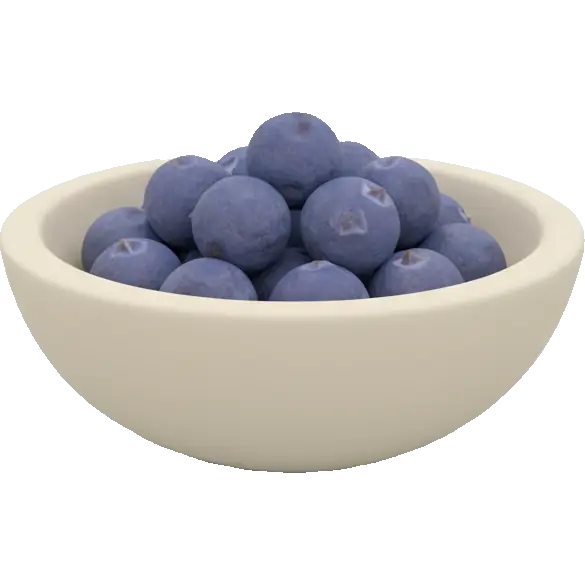
juniper berries
Herbs & Spices
Is juniper berries high in histamine?
Is juniper berries high or low in histamine? See its exact rating, how much counts as a portion, and its FODMAP, salicylate, oxalate and diet compatibility in one place.
Related checkers
Compare juniper berries across criteria
Sensitivity notes
Why histamine food checker matters
Histamine is a compound naturally present in many foods, especially aged, fermented, or preserved items. In sensitive individuals, excess histamine can cause headaches, flushing, hives, digestive issues, and other symptoms. Your body normally breaks down histamine, but some people have reduced capacity to do so.
- Focus on fresh foods - histamine builds up as food ages
- Cook and eat meals fresh; avoid leftovers sitting more than 24 hours
- Be cautious with fermented foods, aged cheeses, and cured meats
- Consider that stress and hormones can affect your histamine tolerance
- Some antihistamines or DAO supplements may help (consult your doctor)
Sensitivities
What juniper berries contains
FODMAPs
Histamine & Amines
Plant compounds
Irritants
Additives
Allergens
Diet fit
Where juniper berries fits
Therapeutic diets
Lifestyle diets
Religious diets
What to know about juniper berries
Juniper berries are the resinous blue cones that give gin its name and its pine-and-pepper flavour, and as a kitchen spice they carry almost no food-chemistry trigger load: no gluten, no lactose, nothing on the FODMAP subgroups, nothing meaningful on nickel, sulfite or nightshade. The cautions that genuinely attach to juniper are pharmacological rather than allergic. Only Juniperus communis is a food species, juniper has centuries of use as an emmenagogue which is why it sits on most pregnancy avoid-lists, and a concentrated oil or capsule is a completely different proposition from three crushed berries in a pot of sauerkraut.
Watch for
- Species identity is the one hard safety line.Juniperus communis is the culinary juniper; savin juniper (Juniperus sabina) and several ornamental garden junipers are toxic and are not food, so foraged berries need identifying before they go in the pot.
- Juniper is a traditional emmenagogue, and the long-standing herbal convention is to avoid it in pregnancy.That caution is aimed at medicinal doses, teas and juniper oil rather than the two or three berries in a braise, but it is the reason juniper appears on pregnancy avoid-lists.
- Herbal practice also keeps juniper preparations to short courses and advises caution with existing kidney disease.Again this is about capsules and essential oil, not a spice jar.
- Its salicylate grade of C is the only non-clean mark here, and that grade is a dried-spice default shared byte for byte with a block of other seasonings rather than a juniper-specific measurement.Aromatic dried spices do tend to sit moderate on salicylate lists, so treat C as plausible and unconfirmed, not as a finding.
- If gin is a problem for you but crushed juniper in food is not, the alcohol is the far more likely explanation.The botanical carries the flavour, not the reaction.



Explore related in Herbs & Spices
Compare similar foods to build a personalized list of swaps that work for your system.

Histamine Guide
Everything you need to know about histamine sensitivity and smart food choices.
Histamine is a compound naturally present in many foods, especially aged, fermented, or preserved items. In sensitive individuals, excess histamine can cause headaches, flushing, hives, digestive issues, and other symptoms. Your body normally breaks down histamine, but some people have reduced capacity to do so.
Sensitivity varies widely. What triggers one person may be fine for another. Track your reactions to find your personal threshold.
These foods are generally well-tolerated for Histamine sensitivity:
View all safe options







These foods have moderate levels and may be tolerated in small amounts:








These foods are high in histamine and may trigger symptoms:
View full list





If you're sensitive to Histamine, consider these strategies:
- 1Focus on fresh foods - histamine builds up as food ages
- 2Cook and eat meals fresh; avoid leftovers sitting more than 24 hours
- 3Be cautious with fermented foods, aged cheeses, and cured meats
- 4Consider that stress and hormones can affect your histamine tolerance
- 5Some antihistamines or DAO supplements may help (consult your doctor)
Pro tip: Keep a food diary to track your reactions. The Triggerbites app makes this easy with automatic pattern detection.
Want personalized tracking?
Download Triggerbites to log meals, track symptoms, and discover your unique triggers.
Get the AppFAQ
Is juniper berries high in Histamine?
Histamine: low signal for most people.
Can I still eat juniper berries if I'm sensitive to Histamine?
Usually fine in normal portions.
What else should I check?
Check Salicylates, Low Salicylate, and Low Fibre next for a fuller picture.