 Back to Histamine food checker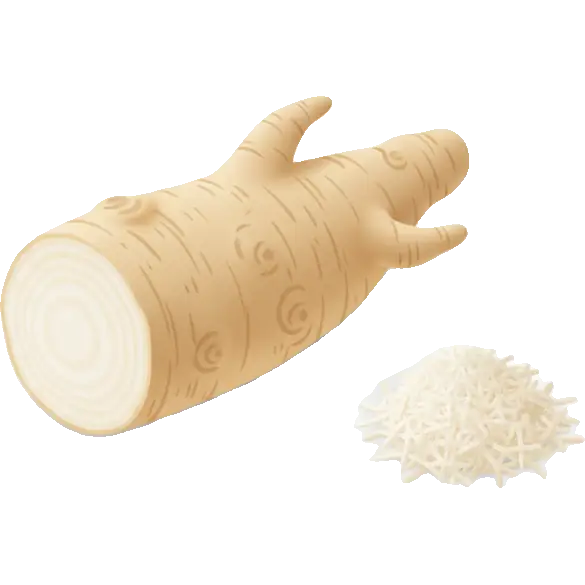
horseradish root
Herbs & Spices
Is horseradish root high in histamine?
Is horseradish root high or low in histamine? See its exact rating, how much counts as a portion, and its FODMAP, salicylate, oxalate and diet compatibility in one place.

Related checkers
Compare horseradish root across criteria

Sensitivity notes
Why histamine food checker matters
Histamine is a compound naturally present in many foods, especially aged, fermented, or preserved items. In sensitive individuals, excess histamine can cause headaches, flushing, hives, digestive issues, and other symptoms. Your body normally breaks down histamine, but some people have reduced capacity to do so.
- Focus on fresh foods - histamine builds up as food ages
- Cook and eat meals fresh; avoid leftovers sitting more than 24 hours
- Be cautious with fermented foods, aged cheeses, and cured meats
- Consider that stress and hormones can affect your histamine tolerance
- Some antihistamines or DAO supplements may help (consult your doctor)

Sensitivities
What horseradish root contains
FODMAPs






Histamine & Amines



Plant compounds



Irritants




Additives


Allergens















Diet fit
Where horseradish root fits
Therapeutic diets










Lifestyle diets








Religious diets






What to know about horseradish root
Fresh horseradish root is one of the cleanest fierce things you can eat. For all the violence of the flavour, the raw root grades A on histamine, tyramine, gluten, lactose, dairy protein, glutamates, sulfites, nitrites, nickel, fructans and nightshade, with only salicylate at C and a short list of Bs (FODMAPs, polyols, oxalate, histamine liberation, SIBO fermentation). Compare that with our horseradish sauce entry, which picks up lactose, dairy protein, histamine, tyramine and sulfite grades from the cream and the vinegar it is sold in, and the useful point falls out: when horseradish disagrees with someone, it is usually the jar rather than the root. The heat itself is not an ingredient at all. It is allyl isothiocyanate, a volatile compound the plant manufactures on the spot when its cells are ruptured, and it is the reason horseradish goes for your sinuses rather than your tongue and then vanishes within a minute.
Watch for
- Salicylate C is the only grade of substance on the raw root.It is moderate and dose led, so a teaspoon grated over beef is a small exposure while a horseradish-heavy remoulade, Bloody Mary or dressing eaten regularly is not. On a strict salicylate elimination it belongs in the challenge phase rather than the free list
- The heat runs on a clock.An intact root keeps sinigrin and the enzyme myrosinase in separate cells and tastes of almost nothing; grating breaks that wall and allyl isothiocyanate builds over the next couple of minutes, then starts evaporating. Vinegar halts the reaction, so a producer who adds it immediately is bottling a mild product and one who waits is bottling a savage one. Either way the volatile keeps leaving after opening
- Cooking removes the point of it.Heat denatures myrosinase before it can act and drives off the isothiocyanate that has already formed, which is why horseradish baked into a crust or simmered into a sauce tastes dull and slightly cabbagey. It goes in at the end, off the heat
- A route to real heat with no capsaicin and no nightshade.Horseradish grades A on nightshade, so if chilli, cayenne and paprika are off your list for that reason, the root is a genuine alternative rather than a compromise. The sensation is a different receptor entirely
- FODMAPs B and polyols B, both moderate and both largely theoretical at condiment volumes.They only start to matter if horseradish is going in by the heaped spoonful



Explore related in Herbs & Spices
Compare similar foods to build a personalized list of swaps that work for your system.

Histamine Guide
Everything you need to know about histamine sensitivity and smart food choices.
Histamine is a compound naturally present in many foods, especially aged, fermented, or preserved items. In sensitive individuals, excess histamine can cause headaches, flushing, hives, digestive issues, and other symptoms. Your body normally breaks down histamine, but some people have reduced capacity to do so.
Sensitivity varies widely. What triggers one person may be fine for another. Track your reactions to find your personal threshold.

These foods are generally well-tolerated for Histamine sensitivity:
View all safe options








These foods have moderate levels and may be tolerated in small amounts:






These foods are high in histamine and may trigger symptoms:
View full list






If you're sensitive to Histamine, consider these strategies:
- 1Focus on fresh foods - histamine builds up as food ages
- 2Cook and eat meals fresh; avoid leftovers sitting more than 24 hours
- 3Be cautious with fermented foods, aged cheeses, and cured meats
- 4Consider that stress and hormones can affect your histamine tolerance
- 5Some antihistamines or DAO supplements may help (consult your doctor)
Pro tip: Keep a food diary to track your reactions. The Triggerbites app makes this easy with automatic pattern detection.
Want personalized tracking?
Download Triggerbites to log meals, track symptoms, and discover your unique triggers.
Get the AppFAQ
Is horseradish root high in Histamine?
Histamine: low signal for most people.
Can I still eat horseradish root if I'm sensitive to Histamine?
Usually fine in normal portions.
What else should I check?
Check Spicy Foods, Jain, and Reflux Diet next for a fuller picture.