
turbot
Seafood
Is turbot high in gos?
Is turbot high or low in gos? See its exact rating, how much counts as a portion, and its FODMAP, salicylate, oxalate and diet compatibility in one place.
Related checkers
Compare turbot across criteria
Sensitivity notes
Why gos food checker matters
Galacto-oligosaccharides (GOS) are carbohydrates found mainly in legumes and some vegetables. They're a FODMAP that can ferment in the gut, causing bloating and discomfort in sensitive people.
- Canned and rinsed legumes are lower in GOS than dried
- Start with smaller portions and build up tolerance
- Some people find beano-type enzymes helpful
- Firm tofu is lower in GOS than silken tofu
- Sprouted legumes may be better tolerated
Sensitivities
What turbot contains
FODMAPs
Histamine & Amines
Plant compounds
Irritants
Additives
Allergens
Diet fit
Where turbot fits
Therapeutic diets
Lifestyle diets
Religious diets
What to know about turbot
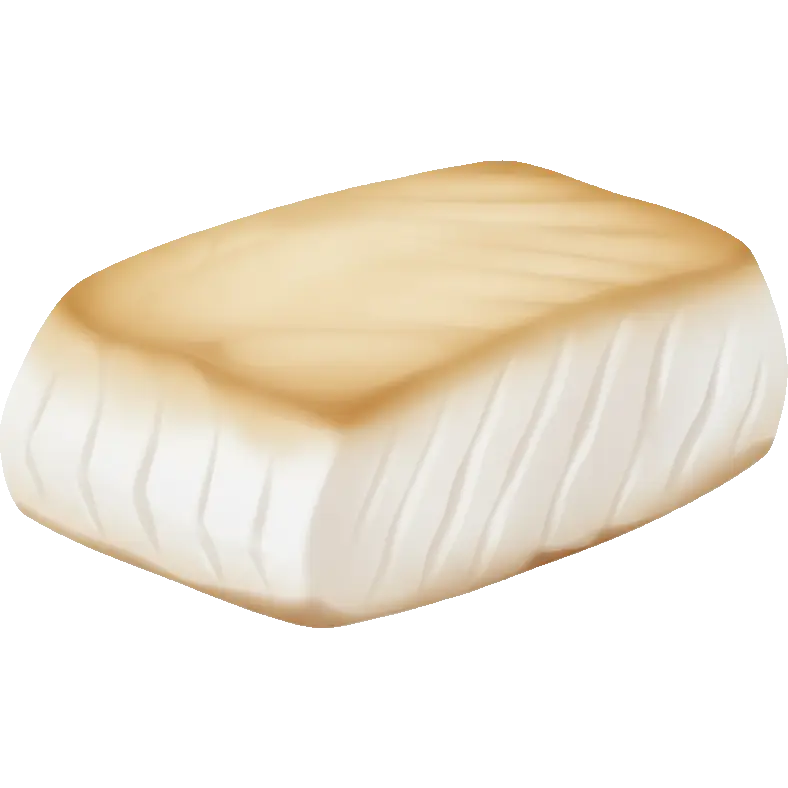
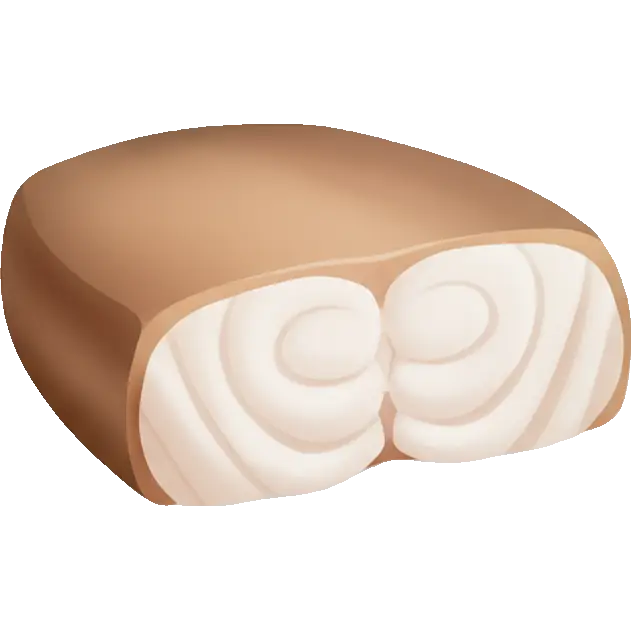
Turbot is a prized European flatfish with a firm, gelatinous flesh, and it carries a moderate histamine grade for a reason most fish do not: it is deliberately aged. Chefs commonly rest a whole turbot on the bone for two to four days before cooking, and dry-ageing fish has become standard in serious kitchens. Ageing is precisely the process that lets bacteria convert histidine into histamine. The turbot a chef considers perfectly ready is the turbot most likely to catch a histamine-sensitive diner out.
Watch for
- Moderate histamine, and higher again in aged or dry-aged turbot.Restaurants rarely mention that a fish has been rested, so a reaction to turbot in a restaurant but not at home is a common pattern
- Some tyramine and free glutamate, which matters if you are on a tyramine-restricted diet or track savoury-food reactions
- Greenland turbot is not turbot.It is Greenland halibut, a different family sold under the turbot name in North American markets, and it is a much fattier fish
- Clean otherwise: no gluten, no lactose, no FODMAPs, no salicylate, no oxalate, no nickel and no sulfites in the plain fillet





Explore related in Seafood
Compare similar foods to build a personalized list of swaps that work for your system.
GOS Guide
Everything you need to know about gos sensitivity and smart food choices.
Galacto-oligosaccharides (GOS) are carbohydrates found mainly in legumes and some vegetables. They're a FODMAP that can ferment in the gut, causing bloating and discomfort in sensitive people.
Sensitivity varies widely. What triggers one person may be fine for another. Track your reactions to find your personal threshold.
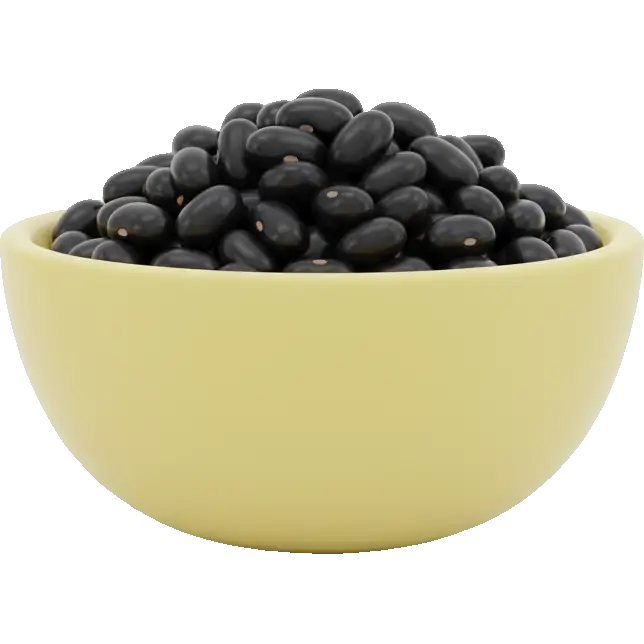
These foods are generally well-tolerated for GOS sensitivity:
View all safe options







These foods have moderate levels and may be tolerated in small amounts:








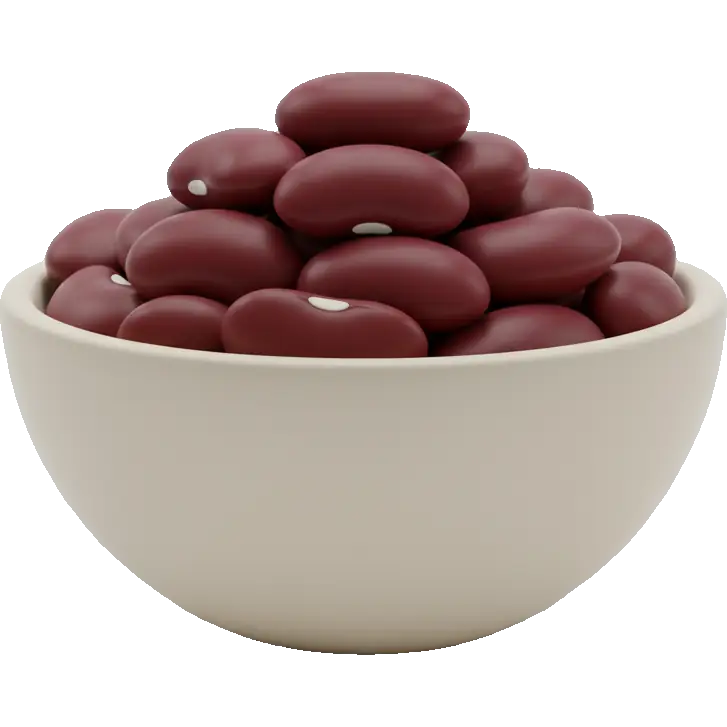
These foods are high in gos and may trigger symptoms:
View full list



If you're sensitive to GOS, consider these strategies:
- 1Canned and rinsed legumes are lower in GOS than dried
- 2Start with smaller portions and build up tolerance
- 3Some people find beano-type enzymes helpful
- 4Firm tofu is lower in GOS than silken tofu
- 5Sprouted legumes may be better tolerated
Pro tip: Keep a food diary to track your reactions. The Triggerbites app makes this easy with automatic pattern detection.
Want personalized tracking?
Download Triggerbites to log meals, track symptoms, and discover your unique triggers.
Get the AppFAQ
Is turbot high in GOS?
GOS: low signal for most people.
Can I still eat turbot if I'm sensitive to GOS?
Usually fine in normal portions.
What else should I check?
Check Fish, Vegan, and Vegetarian next for a fuller picture.