 Back to GOS food checker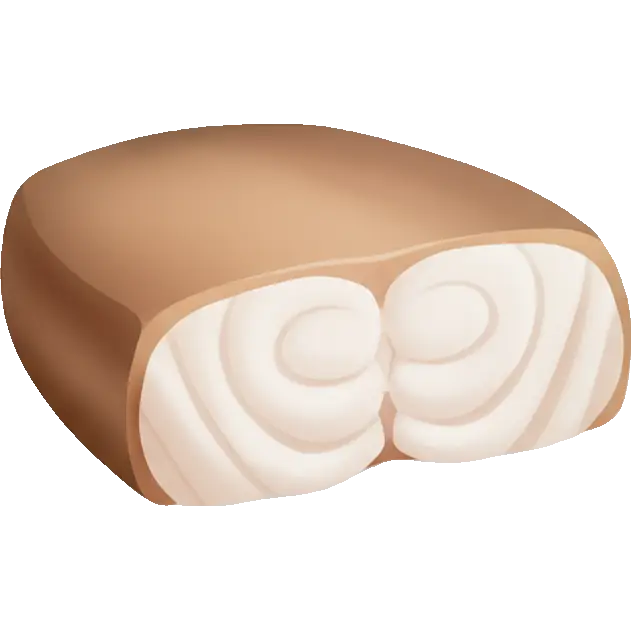
pollock
Seafood
Is pollock high in gos?
Is pollock high or low in gos? See its exact rating, how much counts as a portion, and its FODMAP, salicylate, oxalate and diet compatibility in one place.

Related checkers
Compare pollock across criteria

Sensitivity notes
Why gos food checker matters
Galacto-oligosaccharides (GOS) are carbohydrates found mainly in legumes and some vegetables. They're a FODMAP that can ferment in the gut, causing bloating and discomfort in sensitive people.
- Canned and rinsed legumes are lower in GOS than dried
- Start with smaller portions and build up tolerance
- Some people find beano-type enzymes helpful
- Firm tofu is lower in GOS than silken tofu
- Sprouted legumes may be better tolerated

Sensitivities
What pollock contains
FODMAPs







Histamine & Amines



Plant compounds



Irritants




Additives



Allergens













Diet fit
Where pollock fits
Therapeutic diets









Lifestyle diets







Religious diets






What to know about pollock
Pollock is the whitefish inside most fish fingers, fast food fish sandwiches and imitation crab, and as a plain fillet it is one of the cleanest proteins you can log. It grades A for histamine, gluten, lactose, FODMAPs, nickel, sulfites, nitrites and tyramine. Alaska pollock also has a handling advantage almost no other fish has: the fleet processes and freezes it at sea, often within hours of the haul, so the slow warm window in which fish histamine actually forms never really opens. That is why the answer to "is pollock high in histamine" is a confident no. The trigger risk with pollock is almost never the fish. It is the batter, the crumb and the surimi paste wrapped around it, which bring wheat, egg white and flavour enhancers the fillet does not have.
Watch for
- Graded A for histamine, helped by the Alaska fishery freezing at sea rather than shipping chilled.A pollock fillet that has been thawed, refrozen and thawed again loses that advantage
- Breaded and battered pollock is not gluten free.The fillet grades A for gluten, the crumb does not, and fried versions also carry whatever oil the fryer was sharing
- Surimi and imitation crab are built from pollock but are not just pollock.Expect wheat or tapioca starch, egg white, sugar, sorbitol and added flavour enhancers, plus crab or shellfish derived flavouring on many brands
- Graded borderline (C) for salicylates and oxalates and mild (B) for free glutamate.Low enough that most sensitive eaters do fine, but worth a line in the diary if you are running a strict elimination phase
- Excluded on a six-food elimination diet for eosinophilic oesophagitis, which removes fish and shellfish as one of its six groups regardless of species

Explore related in Seafood
Compare similar foods to build a personalized list of swaps that work for your system.
GOS Guide
Everything you need to know about gos sensitivity and smart food choices.
Galacto-oligosaccharides (GOS) are carbohydrates found mainly in legumes and some vegetables. They're a FODMAP that can ferment in the gut, causing bloating and discomfort in sensitive people.
Sensitivity varies widely. What triggers one person may be fine for another. Track your reactions to find your personal threshold.

These foods are generally well-tolerated for GOS sensitivity:
View all safe options








These foods have moderate levels and may be tolerated in small amounts:


These foods are high in gos and may trigger symptoms:
View full list
If you're sensitive to GOS, consider these strategies:
- 1Canned and rinsed legumes are lower in GOS than dried
- 2Start with smaller portions and build up tolerance
- 3Some people find beano-type enzymes helpful
- 4Firm tofu is lower in GOS than silken tofu
- 5Sprouted legumes may be better tolerated
Pro tip: Keep a food diary to track your reactions. The Triggerbites app makes this easy with automatic pattern detection.
Want personalized tracking?
Download Triggerbites to log meals, track symptoms, and discover your unique triggers.
Get the AppFAQ
Is pollock high in GOS?
GOS: low signal for most people.
Can I still eat pollock if I'm sensitive to GOS?
Usually fine in normal portions.
What else should I check?
Check Fish, Vegan, and Vegetarian next for a fuller picture.