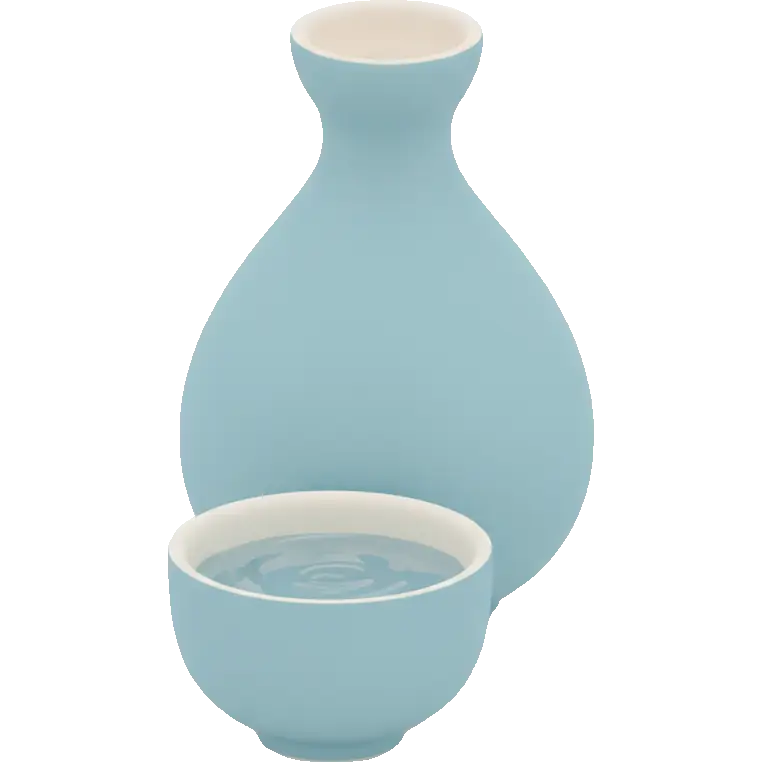
sake
Beverages
Is sake high in gluten?
Is sake high or low in gluten? See its exact rating, how much counts as a portion, and its FODMAP, salicylate, oxalate and diet compatibility in one place.
Related checkers
Compare sake across criteria
Sensitivity notes
Why gluten food checker matters
Gluten is a protein found in wheat, barley, rye, and their derivatives. People with celiac disease, gluten sensitivity, or wheat allergy need to avoid gluten to prevent digestive and systemic symptoms.
- Learn to read labels carefully - gluten hides in many products
- Be aware of cross-contamination in shared kitchens and restaurants
- Look for certified gluten-free products for safety
- Oats are naturally gluten-free but often cross-contaminated
- Give your gut time to heal - improvement may take months
Sensitivities
What sake contains
FODMAPs
Histamine & Amines
Plant compounds
Irritants
Additives
Allergens
Diet fit
Where sake fits
Therapeutic diets
Lifestyle diets
Religious diets
What to know about sake
Sake is brewed, not distilled, and that one fact explains its whole trigger profile. A spirit leaves its fermentation by-products behind in the still, which is why vodka and gin come out so clean. Sake keeps everything the koji mould and the yeast made, so it grades borderline on histamine, on histamine liberation and on tyramine, the same amine cluster that makes wine and beer hard work for a lot of people. What sake does not share with wine is sulfites. Winemakers routinely add sulfur dioxide as a preservative, while sake is normally stabilised by pasteurisation (hi-ire) instead and carries only the small amount of sulfite that fermentation produces on its own, which is why it grades borderline here against wine at the top of the scale. Sake is also gluten free, since it is made from nothing but rice, water, koji and yeast, and it grades far below wine on salicylate. The koji step is what makes sake savoury rather than merely sweet, breaking rice protein into free amino acids, and that is also why free glutamate grades borderline.
Watch for
- Borderline on all three amine measures at once (histamine, histamine liberation and tyramine), so sake is a plausible answer to why a Japanese meal ends in flushing or a headache even when the food was fresh
- Sulfite grades borderline rather than high, unlike wine, because sake is usually preserved by pasteurisation instead of added sulfur dioxide: check the label anyway, since some export bottlings do declare added sulfites
- Sweeter and cloudy nigori styles carry more residual sugar, which is why sake grades borderline on FODMAPs and excess fructose where a dry spirit grades clean
- Free glutamate grades borderline, a direct result of koji breaking down rice protein: the same reaction that gives sake its umami depth, and worth logging if glutamate is one of your triggers
- Sake is commonly 15 to 16 percent alcohol, stronger than most wine, and it arrives in small cups that get refilled by other people, so the actual dose is unusually easy to lose track of






Explore related in Beverages
Compare similar foods to build a personalized list of swaps that work for your system.

Gluten Guide
Everything you need to know about gluten sensitivity and smart food choices.
Gluten is a protein found in wheat, barley, rye, and their derivatives. People with celiac disease, gluten sensitivity, or wheat allergy need to avoid gluten to prevent digestive and systemic symptoms.
Sensitivity varies widely. What triggers one person may be fine for another. Track your reactions to find your personal threshold.
These foods are generally well-tolerated for Gluten sensitivity:
View all safe options





These foods have moderate levels and may be tolerated in small amounts:





These foods are high in gluten and may trigger symptoms:
View full list






If you're sensitive to Gluten, consider these strategies:
- 1Learn to read labels carefully - gluten hides in many products
- 2Be aware of cross-contamination in shared kitchens and restaurants
- 3Look for certified gluten-free products for safety
- 4Oats are naturally gluten-free but often cross-contaminated
- 5Give your gut time to heal - improvement may take months
Pro tip: Keep a food diary to track your reactions. The Triggerbites app makes this easy with automatic pattern detection.
Want personalized tracking?
Download Triggerbites to log meals, track symptoms, and discover your unique triggers.
Get the AppFAQ
Is sake high in Gluten?
Gluten: low signal for most people.
Can I still eat sake if I'm sensitive to Gluten?
Usually fine in normal portions.
What else should I check?
Check AIP, Reflux Diet, and Whole30 next for a fuller picture.