 Back to Gluten food checker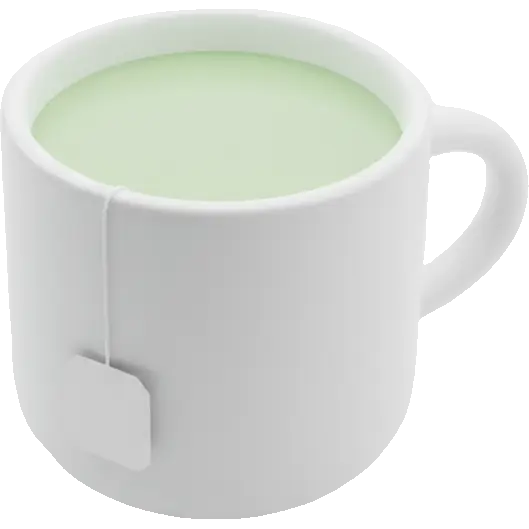
peppermint tea
Beverages
Is peppermint tea high in gluten?
Is peppermint tea high or low in gluten? See its exact rating, how much counts as a portion, and its FODMAP, salicylate, oxalate and diet compatibility in one place.

Related checkers
Compare peppermint tea across criteria

Sensitivity notes
Why gluten food checker matters
Gluten is a protein found in wheat, barley, rye, and their derivatives. People with celiac disease, gluten sensitivity, or wheat allergy need to avoid gluten to prevent digestive and systemic symptoms.
- Learn to read labels carefully - gluten hides in many products
- Be aware of cross-contamination in shared kitchens and restaurants
- Look for certified gluten-free products for safety
- Oats are naturally gluten-free but often cross-contaminated
- Give your gut time to heal - improvement may take months

Sensitivities
What peppermint tea contains
FODMAPs







Histamine & Amines



Plant compounds




Irritants




Additives



Allergens
















Diet fit
Where peppermint tea fits
Therapeutic diets










Lifestyle diets









Religious diets






What to know about peppermint tea
Peppermint tea is a hot water infusion of the leaf, and it is one of the safest drinks in the database: caffeine A, histamine A, gluten A and A across every FODMAP column, which is why it is a standard low FODMAP and elimination diet drink. Two honest caveats keep it from being a blank cheque. First, a cup of tea is not a peppermint oil capsule. The IBS trials used enteric coated oil at doses far beyond what steeping leaves delivers, so the tea is a gentle carminative rather than the evidence backed antispasmodic. Second, peppermint relaxes the lower oesophageal sphincter, so a large mug after dinner is a plausible reflux trigger in people prone to heartburn. Salicylates and oxalate both grade C.
Watch for
- Caffeine free at grade A, which makes it a genuine evening replacement for black or green tea, both of which also grade far higher on salicylates
- If you get heartburn, the after dinner mug is worth logging: peppermint loosens the oesophageal valve, and a hot drink taken lying down soon afterwards compounds it
- Check the teabag rather than the box front.Blends sold as mint tea often mix in spearmint, liquorice root or added flavourings, none of which share the grades on this page
- Salicylates grade C and oxalate grades C, which are moderate on a single cup but add up if peppermint tea is your all day drink
- Do not expect capsule level IBS relief from an infusion: the menthol dose in a steeped cup is a fraction of what the clinical trials used




Explore related in Beverages
Compare similar foods to build a personalized list of swaps that work for your system.

Gluten Guide
Everything you need to know about gluten sensitivity and smart food choices.
Gluten is a protein found in wheat, barley, rye, and their derivatives. People with celiac disease, gluten sensitivity, or wheat allergy need to avoid gluten to prevent digestive and systemic symptoms.
Sensitivity varies widely. What triggers one person may be fine for another. Track your reactions to find your personal threshold.

These foods are generally well-tolerated for Gluten sensitivity:
View all safe options






These foods have moderate levels and may be tolerated in small amounts:





These foods are high in gluten and may trigger symptoms:
View full list



If you're sensitive to Gluten, consider these strategies:
- 1Learn to read labels carefully - gluten hides in many products
- 2Be aware of cross-contamination in shared kitchens and restaurants
- 3Look for certified gluten-free products for safety
- 4Oats are naturally gluten-free but often cross-contaminated
- 5Give your gut time to heal - improvement may take months
Pro tip: Keep a food diary to track your reactions. The Triggerbites app makes this easy with automatic pattern detection.
Want personalized tracking?
Download Triggerbites to log meals, track symptoms, and discover your unique triggers.
Get the AppFAQ
Is peppermint tea high in Gluten?
Gluten: low signal for most people.
Can I still eat peppermint tea if I'm sensitive to Gluten?
Usually fine in normal portions.
What else should I check?
Check Reflux Diet, Salicylates, and Oxalates next for a fuller picture.