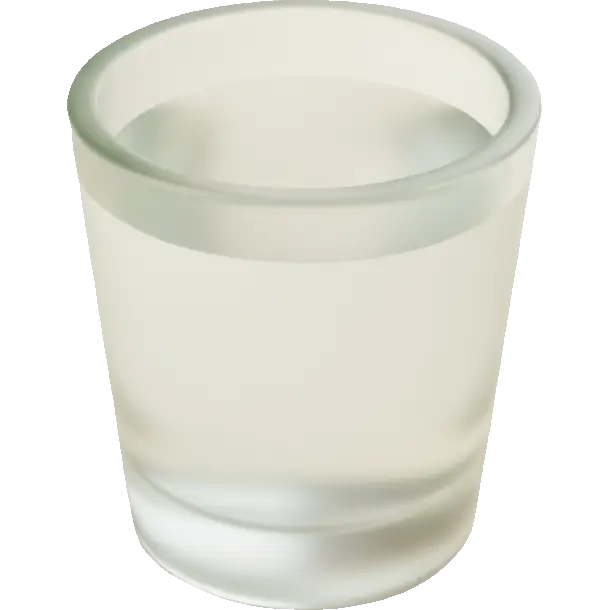
soju
Beverages
Is soju high in fructans?
Is soju high or low in fructans? See its exact rating, how much counts as a portion, and its FODMAP, salicylate, oxalate and diet compatibility in one place.
Related checkers
Compare soju across criteria
Sensitivity notes
Why fructans food checker matters
Fructans are chains of fructose molecules found in wheat, onions, garlic, and many other foods. They're a type of FODMAP that can cause digestive symptoms in sensitive individuals because they're not well absorbed in the small intestine.
- Garlic-infused oil is low-FODMAP since fructans don't dissolve in oil
- Green parts of leeks and scallions are lower in fructans
- Sourdough bread may be better tolerated than regular wheat bread
- Spelt and ancient grains still contain fructans despite marketing claims
- Portion size matters - small amounts may be tolerable
Sensitivities
What soju contains
FODMAPs
Histamine & Amines
Plant compounds
Irritants
Additives
Allergens
Diet fit
Where soju fits
Therapeutic diets
Lifestyle diets
Religious diets
What to know about soju
There are two drinks sharing the name soju and they are not really the same product. Traditional soju is a pot distilled spirit made from rice, barley or wheat, strong and aromatic. The green bottle soju that dominates convenience store fridges is something else: in 1965 South Korea banned distilling rice during a grain shortage, producers switched to cheap column distilled neutral spirit from sweet potato and tapioca, and the modern formula stuck. That spirit comes off the column near 95 percent, gets cut with water down to roughly 16 to 20 percent, and is then sweetened to round off the harshness. The sweetener is the part worth logging. Saccharin was the original, and today brands reach for sugar, stevia, sucralose, acesulfame K, erythritol, sorbitol or xylitol, with citric acid for brightness. That is why soju has no FODMAP rating here: it depends entirely on what your brand puts in. The spirit itself is undramatic. Nothing grades high, there is no gluten and no caffeine, histamine and tyramine are moderate, and salicylate and oxalate sit at the borderline mark.
Watch for
- The added sweeteners are the real variable: sugar alcohols such as erythritol, sorbitol and xylitol are well documented gut triggers, and low calorie or fruit flavoured sojus are the most likely to use them, which is why the FODMAP grades here are left unrated rather than guessed
- Somaek, the standard soju and beer bomb, imports every one of beer gluten, high histamine, high tyramine and high sulfite grades into a drink that had none of them: if soju nights go badly and straight soju does not, this is the first thing to test
- Moderate on histamine and tyramine, which sounds mild until you account for how soju is drunk: poured for you in shot glasses, in rounds, over a long meal
- Borderline on salicylate and oxalate, a small consideration for anyone stacking several borderline drinks or foods in one sitting
- Fruit flavoured sojus (peach, grape, yogurt) drop to 12 to 14 percent alcohol but add more sugar and flavouring, so they are gentler on alcohol and busier on additives





Explore related in Beverages
Compare similar foods to build a personalized list of swaps that work for your system.

Fructans Guide
Everything you need to know about fructans sensitivity and smart food choices.
Fructans are chains of fructose molecules found in wheat, onions, garlic, and many other foods. They're a type of FODMAP that can cause digestive symptoms in sensitive individuals because they're not well absorbed in the small intestine.
Sensitivity varies widely. What triggers one person may be fine for another. Track your reactions to find your personal threshold.
These foods are generally well-tolerated for Fructans sensitivity:
View all safe options





These foods have moderate levels and may be tolerated in small amounts:






These foods are high in fructans and may trigger symptoms:
View full list



If you're sensitive to Fructans, consider these strategies:
- 1Garlic-infused oil is low-FODMAP since fructans don't dissolve in oil
- 2Green parts of leeks and scallions are lower in fructans
- 3Sourdough bread may be better tolerated than regular wheat bread
- 4Spelt and ancient grains still contain fructans despite marketing claims
- 5Portion size matters - small amounts may be tolerable
Pro tip: Keep a food diary to track your reactions. The Triggerbites app makes this easy with automatic pattern detection.
Want personalized tracking?
Download Triggerbites to log meals, track symptoms, and discover your unique triggers.
Get the AppFAQ
Is soju high in Fructans?
Fructans: higher signal - consider smaller servings or swaps.
Can I still eat soju if I'm sensitive to Fructans?
Best to avoid or test carefully with a small amount.
What else should I check?
Check AIP, Reflux Diet, and Whole30 next for a fuller picture.