
port
Beverages
Is port high in fructans?
Is port high or low in fructans? See its exact rating, how much counts as a portion, and its FODMAP, salicylate, oxalate and diet compatibility in one place.
Related checkers
Compare port across criteria
Sensitivity notes
Why fructans food checker matters
Fructans are chains of fructose molecules found in wheat, onions, garlic, and many other foods. They're a type of FODMAP that can cause digestive symptoms in sensitive individuals because they're not well absorbed in the small intestine.
- Garlic-infused oil is low-FODMAP since fructans don't dissolve in oil
- Green parts of leeks and scallions are lower in fructans
- Sourdough bread may be better tolerated than regular wheat bread
- Spelt and ancient grains still contain fructans despite marketing claims
- Portion size matters - small amounts may be tolerable
Sensitivities
What port contains
FODMAPs
Histamine & Amines
Plant compounds
Irritants
Additives
Allergens
Diet fit
Where port fits
Therapeutic diets
Lifestyle diets
Religious diets
What to know about port
Port is a fortified wine, and that single construction stacks more drink-related triggers into one small glass than anything else on this list. Grape spirit is added partway through fermentation, which kills the yeast, leaves a great deal of unfermented sugar behind and pushes the strength to around 20 per cent. Then the wine spends years in cask. The result grades D for histamine, D for sulfites, D for excess fructose and C for tyramine, so port is flagged on four separate axes at once, which almost nothing else in the drinks category is. Fortified and long-aged wines have a long-standing place on migraine trigger lists and on the tyramine restrictions given to people taking MAOI medication, and they are among the first things dropped on a histamine intolerance elimination diet. If you are asking why a small glass of port gives you a headache when a similar volume of spirits does not, the answer is that port is doing four things at once.
Watch for
- Histamine grades D.Fermentation generates biogenic amines and years in cask give them time to build, so a tawny that has sat in wood for a decade is not a low-histamine drink by any reading. Fortified wine is standard on histamine intolerance elimination lists
- Sulfites grade D.Wine is sulfited to protect it and a sweet, high-sugar wine generally needs more, which is why bottles carry a "contains sulfites" declaration. Flushing, a blocked nose or a wheeze within minutes of a small glass points here rather than at the alcohol
- Excess fructose D and FODMAPs D.Stopping fermentation early is the whole point of fortification, so the grape sugar that would have become alcohol stays in the glass. This is the difference between port and a dry red, which grades far lower on the sugar axis
- Tyramine grades C.Combined with the histamine load and the ageing, this is why fortified wines are named specifically in tyramine guidance for people on MAOIs, alongside aged cheese and cured meat
- At roughly 20 per cent alcohol, port delivers about half again as much ethanol per millilitre as table wine, so a pour that looks small is not a small dose




Explore related in Beverages
Compare similar foods to build a personalized list of swaps that work for your system.

Fructans Guide
Everything you need to know about fructans sensitivity and smart food choices.
Fructans are chains of fructose molecules found in wheat, onions, garlic, and many other foods. They're a type of FODMAP that can cause digestive symptoms in sensitive individuals because they're not well absorbed in the small intestine.
Sensitivity varies widely. What triggers one person may be fine for another. Track your reactions to find your personal threshold.
These foods are generally well-tolerated for Fructans sensitivity:
View all safe options





These foods have moderate levels and may be tolerated in small amounts:






These foods are high in fructans and may trigger symptoms:
View full list

If you're sensitive to Fructans, consider these strategies:
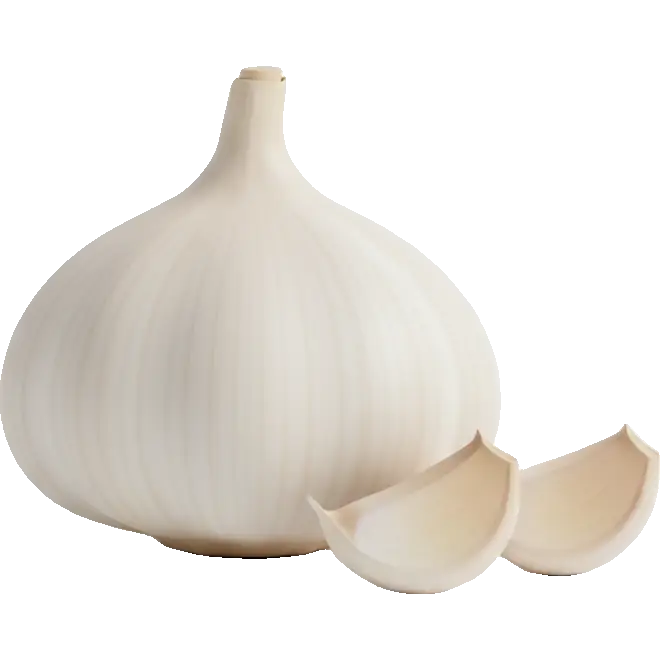
- 1Garlic-infused oil is low-FODMAP since fructans don't dissolve in oil
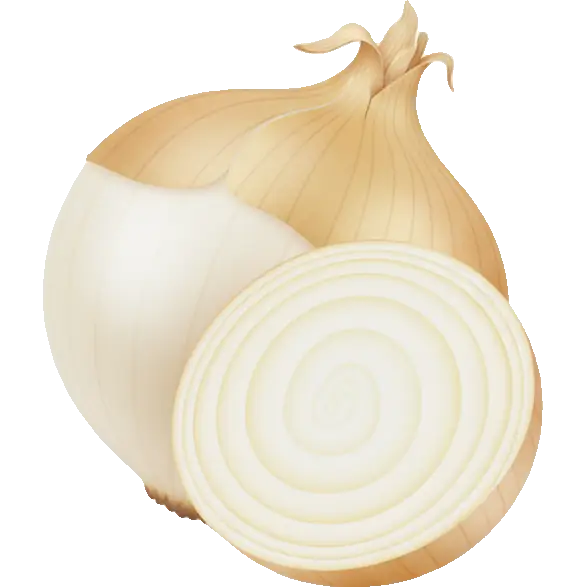
- 2Green parts of leeks and scallions are lower in fructans
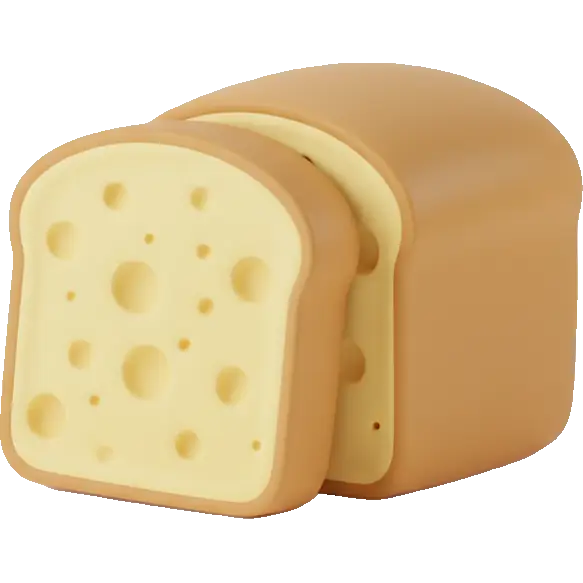
- 3Sourdough bread may be better tolerated than regular wheat bread
- 4Spelt and ancient grains still contain fructans despite marketing claims
- 5Portion size matters - small amounts may be tolerable
Pro tip: Keep a food diary to track your reactions. The Triggerbites app makes this easy with automatic pattern detection.
Want personalized tracking?
Download Triggerbites to log meals, track symptoms, and discover your unique triggers.
Get the AppFAQ
Is port high in Fructans?
Fructans: low signal for most people.
Can I still eat port if I'm sensitive to Fructans?
Usually fine in normal portions.
What else should I check?
Check Alcohol, AIP, and Reflux Diet next for a fuller picture.