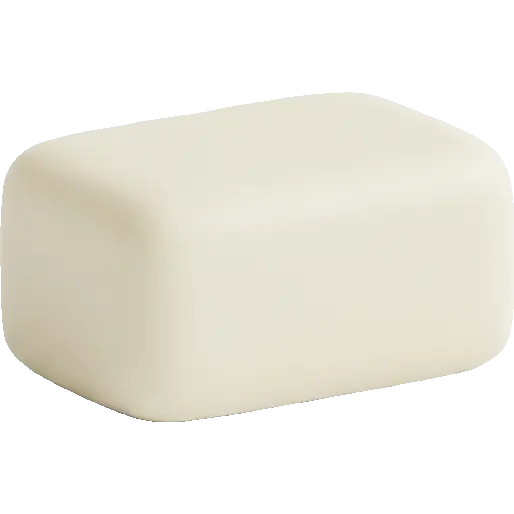
sheep tallow
Oils & Fats
Is sheep tallow eoe compatible-compatible?
See whether sheep tallow fits an eoe compatible diet, with a clear compatible-or-avoid verdict plus its FODMAP, histamine and other trigger ratings in one place.
Related checkers
Compare sheep tallow across criteria
Sensitivity notes
Why eoe compatible diet checker matters
Eosinophilic Esophagitis (EoE) dietary management often involves eliminating common trigger foods including dairy, wheat, eggs, soy, nuts, and seafood. The six-food elimination diet is commonly used to identify personal triggers.
- The six-food elimination diet removes dairy, wheat, eggs, soy, nuts, and seafood
- Systematic reintroduction with endoscopy helps identify triggers
- Milk/dairy is the most common trigger
- Work closely with your gastroenterologist and allergist
- Elemental diet may be used in severe cases
Sensitivities
What sheep tallow contains
FODMAPs
Histamine & Amines
Plant compounds
Irritants
Additives
Allergens
Diet fit
Where sheep tallow fits
Therapeutic diets
Lifestyle diets
Religious diets
What to know about sheep tallow
Sheep tallow is rendered mutton or lamb fat, firm at room temperature, with a distinctive savoury flavour that carries through anything cooked in it. It is central to cooking across Central Asia, the Middle East and parts of North Africa, where fat tailed sheep are raised partly for it. As a rendered fat it is essentially pure lipid, so it grades clean on gluten, lactose, dairy protein and every FODMAP group. Its two real considerations are that it is highly saturated, which is what the poor inflammatory grade reflects, and that it is mammalian, which matters more than most people realise.
Watch for
- It is mammalian fat, so it carries alpha-gal.Anyone with alpha-gal syndrome from a tick bite needs to avoid sheep tallow along with beef tallow, lard and suet, and the fat is a particular problem in that condition because alpha-gal is concentrated in fatty tissue and fat slows the reaction, producing the classic delayed response.
- Graded poorly on the inflammatory column, which reflects a highly saturated animal fat rather than any trigger compound.It is a dietary pattern judgement, not a prediction that you will react.
- Large fat loads are a genuine symptom trigger in gallbladder disease, gastroparesis and reflux.A dish built on tallow is a big fat dose whatever the trigger columns say.
- The salicylate and oxalate grades of C sit oddly on a pure rendered fat, which contains essentially no plant compounds.Treat them as defaults rather than measurements.
- It is AIP compliant, since the autoimmune protocol permits rendered animal fats, which makes it one of the few strongly flavoured cooking fats available during an elimination phase.
Explore related in Oils & Fats
Compare similar foods to build a personalized list of swaps that work for your system.

EoE Compatible Guide
Everything you need to know about eoe compatible compatibility and smart food choices.
Eosinophilic Esophagitis (EoE) dietary management often involves eliminating common trigger foods including dairy, wheat, eggs, soy, nuts, and seafood. The six-food elimination diet is commonly used to identify personal triggers.
These foods are typically compatible with a EoE Compatible approach:
View all safe options







Practical guidance for following a EoE Compatible diet:
- 1The six-food elimination diet removes dairy, wheat, eggs, soy, nuts, and seafood
- 2Systematic reintroduction with endoscopy helps identify triggers
- 3Milk/dairy is the most common trigger
- 4Work closely with your gastroenterologist and allergist
- 5Elemental diet may be used in severe cases
Pro tip: Keep a food diary to track your reactions. The Triggerbites app makes this easy with automatic pattern detection.
Want personalized tracking?
Download Triggerbites to log meals, track symptoms, and discover your unique triggers.
Get the AppFAQ
Does sheep tallow fit an eoe compatible diet?
EoE Compatible: fits well for most plans.
What if I eat it occasionally?
Still check preparation and add-ins.
What are safer swaps?
Compare within the Oils & Fats group.