 Back to EoE Compatible diet checker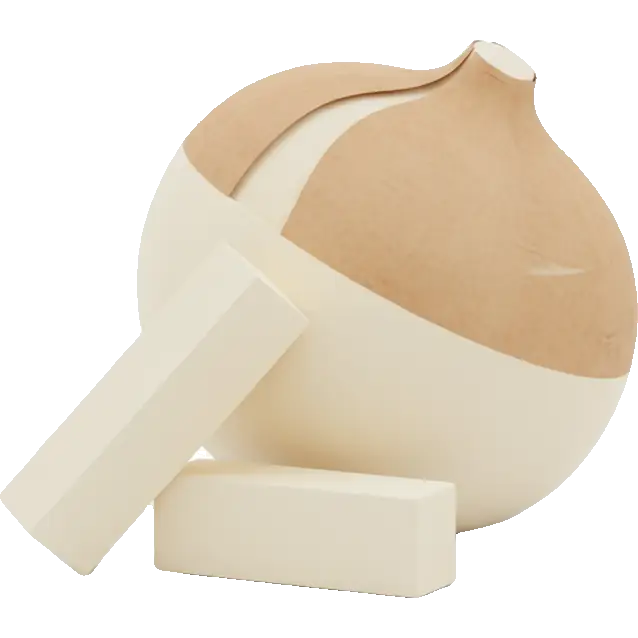
jicama
Vegetables
Is jicama eoe compatible-compatible?
See whether jicama fits an eoe compatible diet, with a clear compatible-or-avoid verdict plus its FODMAP, histamine and other trigger ratings in one place.

Related checkers
Compare jicama across criteria

Sensitivity notes
Why eoe compatible diet checker matters
Eosinophilic Esophagitis (EoE) dietary management often involves eliminating common trigger foods including dairy, wheat, eggs, soy, nuts, and seafood. The six-food elimination diet is commonly used to identify personal triggers.
- The six-food elimination diet removes dairy, wheat, eggs, soy, nuts, and seafood
- Systematic reintroduction with endoscopy helps identify triggers
- Milk/dairy is the most common trigger
- Work closely with your gastroenterologist and allergist
- Elemental diet may be used in severe cases

Sensitivities
What jicama contains
FODMAPs







Histamine & Amines



Plant compounds




Irritants




Additives



Allergens















Diet fit
Where jicama fits
Therapeutic diets










Lifestyle diets









Religious diets






What to know about jicama
Jicama is the crisp white Mexican root eaten raw in sticks with lime and chilli, and it earns its place as a substitution staple honestly: no histamine and no histamine liberator flag, no gluten, lactose, nightshade, sulfite, nitrite, glutamate or caffeine reading, and nothing high anywhere on the card. Two details keep it from being a blanket yes. First, portion. Jicama's famous fibre is largely inulin, which is a fructan, so it grades low on fructans at a normal serve and only borderline on total FODMAPs once the plate gets big. The tested low FODMAP serve is about 70g. Second, the part. Only the peeled flesh is food: the papery brown skin, plus the vine, leaves, flowers and seeds, contain rotenone, a natural insecticide, and are not edible.
Watch for
- Only the peeled tuber is edible.The brown skin and the entire rest of the jicama vine, including seeds and pods, contain rotenone. Peel generously and past the fibrous layer, and never treat the greens as a leafy vegetable.
- Inulin is a fructan even when the fructan grade reads low.The tested low FODMAP serve is around 70g, and total FODMAPs grade borderline above that, so a whole raw plate can act like a prebiotic dose and produce gas that a small side never would.
- Salicylates and oxalates are unrated for jicama in this dataset.That is not the same as cleared, so if you are running a strict salicylate or oxalate elimination, treat it as untested and reintroduce it deliberately.
- Clean on histamine, histamine liberation, glutamates and sulfites, which is exactly why it works as the crunch stand in for apple, water chestnut or raw celery when those are off the table.



Explore related in Vegetables
Compare similar foods to build a personalized list of swaps that work for your system.


EoE Compatible Guide
Everything you need to know about eoe compatible compatibility and smart food choices.
Eosinophilic Esophagitis (EoE) dietary management often involves eliminating common trigger foods including dairy, wheat, eggs, soy, nuts, and seafood. The six-food elimination diet is commonly used to identify personal triggers.
These foods are typically compatible with a EoE Compatible approach:
View all safe options







Practical guidance for following a EoE Compatible diet:
- 1The six-food elimination diet removes dairy, wheat, eggs, soy, nuts, and seafood
- 2Systematic reintroduction with endoscopy helps identify triggers
- 3Milk/dairy is the most common trigger
- 4Work closely with your gastroenterologist and allergist
- 5Elemental diet may be used in severe cases
Pro tip: Keep a food diary to track your reactions. The Triggerbites app makes this easy with automatic pattern detection.
Want personalized tracking?
Download Triggerbites to log meals, track symptoms, and discover your unique triggers.
Get the AppFAQ
Does jicama fit an eoe compatible diet?
EoE Compatible: fits well for most plans.
What if I eat it occasionally?
Still check preparation and add-ins.
What are safer swaps?
Compare within the Vegetables group.