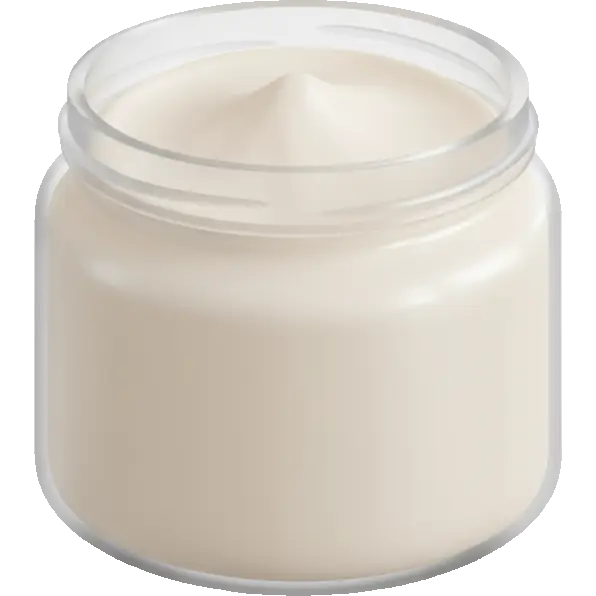
beef tallow
Oils & Fats
Is beef tallow eoe compatible-compatible?
See whether beef tallow fits an eoe compatible diet, with a clear compatible-or-avoid verdict plus its FODMAP, histamine and other trigger ratings in one place.
Related checkers
Compare beef tallow across criteria
Sensitivity notes
Why eoe compatible diet checker matters
Eosinophilic Esophagitis (EoE) dietary management often involves eliminating common trigger foods including dairy, wheat, eggs, soy, nuts, and seafood. The six-food elimination diet is commonly used to identify personal triggers.
- The six-food elimination diet removes dairy, wheat, eggs, soy, nuts, and seafood
- Systematic reintroduction with endoscopy helps identify triggers
- Milk/dairy is the most common trigger
- Work closely with your gastroenterologist and allergist
- Elemental diet may be used in severe cases
Sensitivities
What beef tallow contains
FODMAPs
Histamine & Amines
Plant compounds
Irritants
Additives
Allergens
Diet fit
Where beef tallow fits
Therapeutic diets
Lifestyle diets
Religious diets
What to know about beef tallow
Beef tallow is rendered beef fat, and rendering strips out nearly everything that triggers people. It grades clean straight across our data: no lactose, no dairy protein, no gluten, no FODMAPs of any subgroup, no histamine or tyramine, no salicylates or oxalates, no sulfites, nitrites, nickel, glutamates or nightshade. The fact most people get wrong is worth stating plainly: tallow is an animal fat but it is not dairy. It is rendered from beef suet, not from milk, so it carries none of the lactose or casein that butter and ghee do. That makes it one of the few traditional cooking fats that is genuinely dairy free without being a seed oil, which is most of why it is back in restaurant fryers. The rest is heat. Tallow is saturated and stable with a smoke point around 200C (400F), so it survives repeated frying that breaks more delicate oils down.
Watch for
- Not dairy, despite being an animal fat.Tallow grades clean on both lactose and dairy protein, so it is a real cooking option if you are avoiding dairy but do not want to switch to a refined seed oil
- It is still beef.Tallow is a common unlabelled animal ingredient in fried food, pastry, refried beans and some tortillas, which catches people avoiding meat for other reasons
- Suet, dripping and tallow are the same fat at three stages: raw suet, pan drippings, and rendered clarified tallow.Drippings carry meat juices, salt and seasoning that pure rendered tallow does not
- Repeatedly reused fryer fat is not the same ingredient as fresh tallow.If fried food reliably bothers you but home cooked tallow does not, log restaurant frying as its own entry
- The beef flavour carries through.Tallow is not a neutral substitution in baking or delicate cooking the way a refined oil is
Explore related in Oils & Fats
Compare similar foods to build a personalized list of swaps that work for your system.

EoE Compatible Guide
Everything you need to know about eoe compatible compatibility and smart food choices.
Eosinophilic Esophagitis (EoE) dietary management often involves eliminating common trigger foods including dairy, wheat, eggs, soy, nuts, and seafood. The six-food elimination diet is commonly used to identify personal triggers.
These foods are typically compatible with a EoE Compatible approach:
View all safe options







Practical guidance for following a EoE Compatible diet:
- 1The six-food elimination diet removes dairy, wheat, eggs, soy, nuts, and seafood
- 2Systematic reintroduction with endoscopy helps identify triggers
- 3Milk/dairy is the most common trigger
- 4Work closely with your gastroenterologist and allergist
- 5Elemental diet may be used in severe cases
Pro tip: Keep a food diary to track your reactions. The Triggerbites app makes this easy with automatic pattern detection.
Want personalized tracking?
Download Triggerbites to log meals, track symptoms, and discover your unique triggers.
Get the AppFAQ
Does beef tallow fit an eoe compatible diet?
EoE Compatible: fits well for most plans.
What if I eat it occasionally?
Still check preparation and add-ins.
What are safer swaps?
Compare within the Oils & Fats group.