
anise
Herbs & Spices
Is anise eoe compatible-compatible?
See whether anise fits an eoe compatible diet, with a clear compatible-or-avoid verdict plus its FODMAP, histamine and other trigger ratings in one place.
Related checkers
Compare anise across criteria
Sensitivity notes
Why eoe compatible diet checker matters
Eosinophilic Esophagitis (EoE) dietary management often involves eliminating common trigger foods including dairy, wheat, eggs, soy, nuts, and seafood. The six-food elimination diet is commonly used to identify personal triggers.
- The six-food elimination diet removes dairy, wheat, eggs, soy, nuts, and seafood
- Systematic reintroduction with endoscopy helps identify triggers
- Milk/dairy is the most common trigger
- Work closely with your gastroenterologist and allergist
- Elemental diet may be used in severe cases
Sensitivities
What anise contains
FODMAPs
Histamine & Amines
Plant compounds
Irritants
Additives
Allergens
Diet fit
Where anise fits
Therapeutic diets
Lifestyle diets
Religious diets
What to know about anise
Anise, more precisely aniseed, is the seed of Pimpinella anisum, and it is graded E for salicylates: the top of the scale. Aromatic seeds concentrate a lot of plant chemistry into very little weight, and aniseed is one of the densest salicylate sources in an ordinary spice rack. Nickel sits at C, moderate. The other half of the story is the naming. Aniseed is not star anise, which is the fruit of Illicium verum from an unrelated plant family, and it is not fennel, although all three taste of liquorice because they share the aroma compound anethole. That shared taste is why they get substituted for one another in recipes and confused in a trigger log. Beyond salicylate, aniseed is quiet: FODMAPs A, histamine A, gluten A, glutamates A, sulfite A, tyramine A, lactose A.
Watch for
- Salicylate E, the highest band.If you are running an RPAH or failsafe style elimination, aniseed is a spice to remove entirely rather than to portion down, and it is easy to overlook because the amounts look tiny
- Nickel C, moderate.Worth noting if you are trialling a low-nickel diet for systemic nickel allergy, since seeds and spices sit in the middle of that range rather than the bottom
- The label word "anise" is ambiguous.It can mean aniseed, star anise, or an anise-flavoured extract or oil, and star anise is graded separately here. Recording which one you actually ate is the difference between a usable pattern and noise
- Anise-flavoured spirits carry the load in liquid form.Ouzo, pastis, sambuca, raki and absinthe are flavoured with anise or star anise, so an evening reaction may be salicylate plus alcohol rather than either alone
- Much liquorice confectionery is flavoured with anise oil rather than liquorice root, so people avoiding liquorice for other reasons may still be meeting aniseed
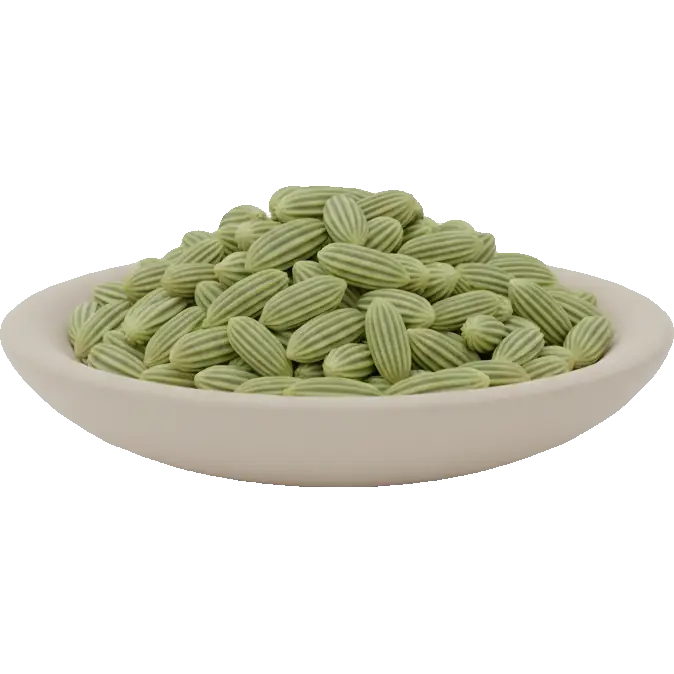




Explore related in Herbs & Spices
Compare similar foods to build a personalized list of swaps that work for your system.


EoE Compatible Guide
Everything you need to know about eoe compatible compatibility and smart food choices.
Eosinophilic Esophagitis (EoE) dietary management often involves eliminating common trigger foods including dairy, wheat, eggs, soy, nuts, and seafood. The six-food elimination diet is commonly used to identify personal triggers.
These foods are typically compatible with a EoE Compatible approach:
View all safe options







Practical guidance for following a EoE Compatible diet:
- 1The six-food elimination diet removes dairy, wheat, eggs, soy, nuts, and seafood
- 2Systematic reintroduction with endoscopy helps identify triggers
- 3Milk/dairy is the most common trigger
- 4Work closely with your gastroenterologist and allergist
- 5Elemental diet may be used in severe cases
Pro tip: Keep a food diary to track your reactions. The Triggerbites app makes this easy with automatic pattern detection.
Want personalized tracking?
Download Triggerbites to log meals, track symptoms, and discover your unique triggers.
Get the AppFAQ
Does anise fit an eoe compatible diet?
EoE Compatible: fits well for most plans.
What if I eat it occasionally?
Still check preparation and add-ins.
What are safer swaps?
Compare within the Herbs & Spices group.