
yam bean
Vegetables
Is yam bean high in caffeine?
Is yam bean high or low in caffeine? See its exact rating, how much counts as a portion, and its FODMAP, salicylate, oxalate and diet compatibility in one place.
Related checkers
Compare yam bean across criteria
Sensitivity notes
Why caffeine food checker matters
Caffeine is a natural stimulant found in coffee, tea, chocolate, and many soft drinks. While safe for most people, those with caffeine sensitivity may experience anxiety, rapid heartbeat, digestive issues, or sleep disturbances even from small amounts.
- Gradually reduce caffeine to avoid withdrawal headaches
- Switch to decaf versions of your favorite drinks
- Be aware of hidden caffeine in chocolate and some medications
- Try herbal alternatives like rooibos or peppermint tea
- Caffeine sensitivity can change with age and stress levels
Sensitivities
What yam bean contains
FODMAPs
Histamine & Amines
Plant compounds
Irritants
Additives
Allergens
Diet fit
Where yam bean fits
Therapeutic diets
Lifestyle diets
Religious diets
What to know about yam bean
The yam bean is neither a yam nor a bean you eat, and both halves of that name mislead in ways that matter. It is Pachyrhizus erosus, a vine in the pea family whose swollen root is the only food part: crisp, wet, faintly sweet, eaten raw in Mexico and across Southeast Asia. The pods and mature seeds that give it the bean half of its name contain rotenone and are genuinely toxic, historically used as a fish poison and a garden insecticide. The root itself is clean on the sensitivity chemistry, grading A for galacto-oligosaccharides, lactose, gluten, dairy protein, caffeine, sulfites and nitrites, with histamine, salicylate, oxalate, tyramine and nickel all mild at B. The one real gut caveat is fructans, which grade D here, alongside a D for total FODMAPs, so the trigger to watch is fructan load rather than anything chemical.
Watch for
- Fructans grade D and total FODMAPs grade D, so the storage sugars in the root are the thing to log.Galacto-oligosaccharides, polyols and excess fructose are all clean, which is unusual for something in the pea family
- Only the root is food.The pods, the mature seeds and the vine carry rotenone, and eating the seeds is a real poisoning risk rather than a folk warning. If you buy it whole or grow it, discard everything except the tuber
- It travels under a confusing pile of names: yam bean, Mexican turnip, sengkuang, bengkoang, sa kot, jicama.Log it under one name consistently or your own history will not add up
- Nothing else scores high.Histamine, salicylate, oxalate, tyramine, nickel and free glutamate all sit at B, so if you react hard and fast to this root, suspect what it was dressed with, typically chilli, lime and salt


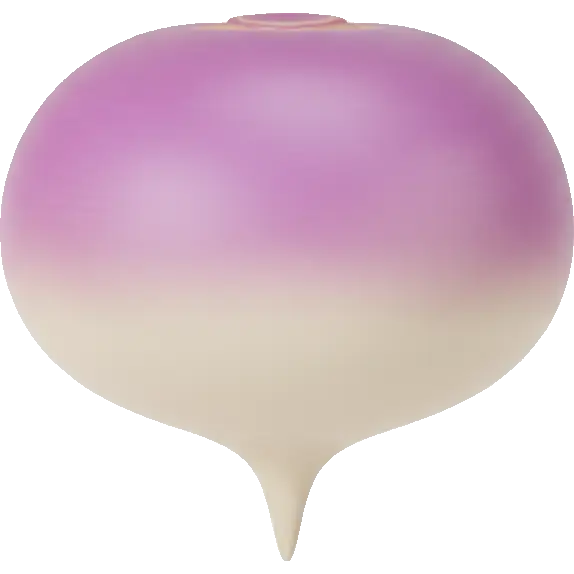


Explore related in Vegetables
Compare similar foods to build a personalized list of swaps that work for your system.



Caffeine Guide
Everything you need to know about caffeine sensitivity and smart food choices.
Caffeine is a natural stimulant found in coffee, tea, chocolate, and many soft drinks. While safe for most people, those with caffeine sensitivity may experience anxiety, rapid heartbeat, digestive issues, or sleep disturbances even from small amounts.
Sensitivity varies widely. What triggers one person may be fine for another. Track your reactions to find your personal threshold.







These foods have moderate levels and may be tolerated in small amounts:







These foods are high in caffeine and may trigger symptoms:





If you're sensitive to Caffeine, consider these strategies:
- 1Gradually reduce caffeine to avoid withdrawal headaches
- 2Switch to decaf versions of your favorite drinks
- 3Be aware of hidden caffeine in chocolate and some medications
- 4Try herbal alternatives like rooibos or peppermint tea
- 5Caffeine sensitivity can change with age and stress levels
Pro tip: Keep a food diary to track your reactions. The Triggerbites app makes this easy with automatic pattern detection.
Want personalized tracking?
Download Triggerbites to log meals, track symptoms, and discover your unique triggers.
Get the AppFAQ
Is yam bean high in Caffeine?
Caffeine: low signal for most people.
Can I still eat yam bean if I'm sensitive to Caffeine?
Usually fine in normal portions.
What else should I check?
Check Jain, FODMAPs, and Fructans next for a fuller picture.