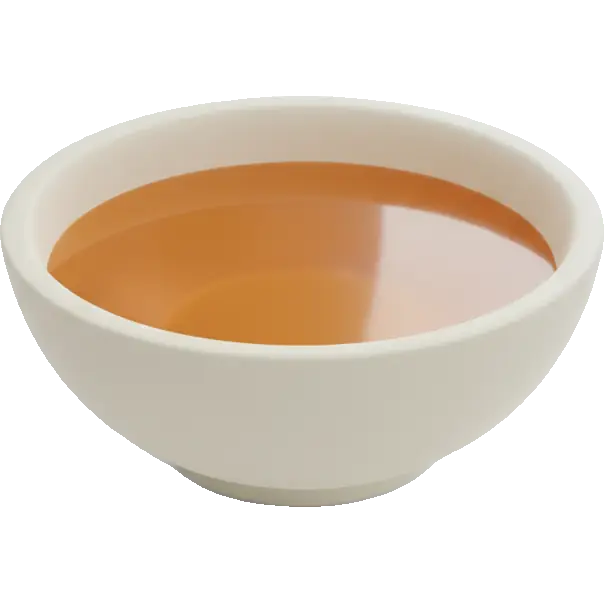
tung oil
Oils & Fats
Is tung oil high in caffeine?
Is tung oil high or low in caffeine? See its exact rating, how much counts as a portion, and its FODMAP, salicylate, oxalate and diet compatibility in one place.
Related checkers
Compare tung oil across criteria
Sensitivity notes
Why caffeine food checker matters
Caffeine is a natural stimulant found in coffee, tea, chocolate, and many soft drinks. While safe for most people, those with caffeine sensitivity may experience anxiety, rapid heartbeat, digestive issues, or sleep disturbances even from small amounts.
- Gradually reduce caffeine to avoid withdrawal headaches
- Switch to decaf versions of your favorite drinks
- Be aware of hidden caffeine in chocolate and some medications
- Try herbal alternatives like rooibos or peppermint tea
- Caffeine sensitivity can change with age and stress levels
Sensitivities
What tung oil contains
FODMAPs
Histamine & Amines
Plant compounds
Irritants
Additives
Allergens
Diet fit
Where tung oil fits
Therapeutic diets
Lifestyle diets
Religious diets
What to know about tung oil
Tung oil is not a food, and that is the entire point of this page. It is pressed from the nut of Vernicia fordii and used as a wood finish, valued because it polymerises on contact with air into a hard, water resistant film. It is in this database because it appears in ingredient lists and because people searching for it are usually asking one specific question: whether a tung oil finish on a chopping board or a wooden bowl is safe for food contact. That is a genuinely reasonable question with a genuinely nuanced answer. What it is not is a cooking oil, and it should never be swallowed.
Watch for
- Do not ingest it.Tung oil is a drying oil, not an edible one, and swallowing it causes gastrointestinal upset, vomiting and diarrhoea. There is no culinary use and no quantity that is intended to be eaten. The swap suggestions on this page are edible oils offered for anyone who arrived here looking for one, not equivalents.
- The food contact question turns on curing.Pure, fully cured tung oil is widely regarded as food safe for wooden surfaces once it has polymerised, which takes days to weeks rather than hours. Uncured oil is not, and rushing the cure is the actual mistake people make.
- Most products sold as tung oil are not pure tung oil.Tung oil finish typically contains petroleum distillates and metallic driers, and those additives are the reason a given tin may not be food safe even when the base oil would be.
- Vernicia is in the Euphorbiaceae, the spurge family, and so is a relative of the castor bean rather than of any culinary nut.The word nut in tung nut is misleading in exactly the way that matters.
- It is not a tree nut allergen in the labelling sense, since it is not a food, but the residue question on a finished surface is worth raising with an allergist rather than assuming.

Explore related in Oils & Fats
Compare similar foods to build a personalized list of swaps that work for your system.
Caffeine Guide
Everything you need to know about caffeine sensitivity and smart food choices.
Caffeine is a natural stimulant found in coffee, tea, chocolate, and many soft drinks. While safe for most people, those with caffeine sensitivity may experience anxiety, rapid heartbeat, digestive issues, or sleep disturbances even from small amounts.
Sensitivity varies widely. What triggers one person may be fine for another. Track your reactions to find your personal threshold.








These foods have moderate levels and may be tolerated in small amounts:






These foods are high in caffeine and may trigger symptoms:





If you're sensitive to Caffeine, consider these strategies:
- 1Gradually reduce caffeine to avoid withdrawal headaches
- 2Switch to decaf versions of your favorite drinks
- 3Be aware of hidden caffeine in chocolate and some medications
- 4Try herbal alternatives like rooibos or peppermint tea
- 5Caffeine sensitivity can change with age and stress levels
Pro tip: Keep a food diary to track your reactions. The Triggerbites app makes this easy with automatic pattern detection.
Want personalized tracking?
Download Triggerbites to log meals, track symptoms, and discover your unique triggers.
Get the AppFAQ
Is tung oil high in Caffeine?
Caffeine: low signal for most people.
Can I still eat tung oil if I'm sensitive to Caffeine?
Usually fine in normal portions.
What else should I check?
Check AIP, Inflammation, and Salicylates next for a fuller picture.