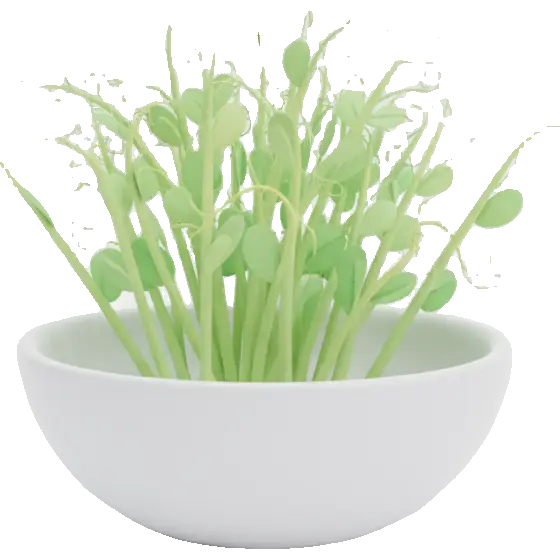
snow pea shoots
Vegetables
Is snow pea shoots high in caffeine?
Is snow pea shoots high or low in caffeine? See its exact rating, how much counts as a portion, and its FODMAP, salicylate, oxalate and diet compatibility in one place.
Related checkers
Compare snow pea shoots across criteria
Sensitivity notes
Why caffeine food checker matters
Caffeine is a natural stimulant found in coffee, tea, chocolate, and many soft drinks. While safe for most people, those with caffeine sensitivity may experience anxiety, rapid heartbeat, digestive issues, or sleep disturbances even from small amounts.
- Gradually reduce caffeine to avoid withdrawal headaches
- Switch to decaf versions of your favorite drinks
- Be aware of hidden caffeine in chocolate and some medications
- Try herbal alternatives like rooibos or peppermint tea
- Caffeine sensitivity can change with age and stress levels
Sensitivities
What snow pea shoots contains
FODMAPs
Histamine & Amines
Plant compounds
Irritants
Additives
Allergens
Diet fit
Where snow pea shoots fits
Therapeutic diets
Lifestyle diets
Religious diets
What to know about snow pea shoots
Snow pea shoots are the growing tips, tendrils and young leaves of the snow pea vine, sold as dau miu or pea tips and usually stir-fried hard with garlic. They are a leaf crop, and the grades follow the leaf rather than the pod. This is the single most important thing to get right here, because the snow pea pod itself grades high FODMAP, high on polyols and high on lectins, and none of those marks belong to the shoot. The shoot's own FODMAP data is unrated rather than high, so the pod's numbers should not be read across in either direction. What the shoot does carry is the ordinary leafy-green pattern: moderate salicylate and moderate oxalate are its two highest grades, with a row of mild marks behind them for histamine, tyramine, sulfites, nitrites, nickel, free glutamate, lectins and fermentability. Nothing is flagged high. If snow pea shoots keep appearing in a reaction diary, salicylate is the first thing to test, partly because young leaves and stems are exactly where a plant concentrates it, and partly because a wok-fried mound of shoots is a far larger leaf portion than the raw volume made it look.
Watch for
- Moderate salicylate, its joint-highest grade.Salicylates concentrate in a plant's youngest leaves and stems, which is the entire edible part of a pea shoot, and stir-frying collapses a large raw volume into a few forkfuls without reducing the chemical load
- Moderate oxalate, so it counts toward a daily oxalate budget on a stone-forming or low-oxalate plan.It is nowhere near spinach territory, but it is not a free green either
- FODMAP data is unrated for the shoot.No subgroup is graded high, and none is graded clear, so treat it as an open question and test it deliberately rather than assuming it is safe because other pea greens grade low
- Do not carry the snow pea pod's grades across to the shoot.The pod is high FODMAP, high polyol and high lectin; the shoot is a different part of the plant with a different profile, and the two get logged as different foods for a reason
- Mild on histamine, tyramine and nitrites.The histamine mark is small, but shoots are among the most perishable greens in the shop and go slimy within days, and the nitrite mark reflects nitrate a fast-growing leaf draws from soil and fertiliser rather than any curing agent. Freshness is the variable most worth logging


Explore related in Vegetables
Compare similar foods to build a personalized list of swaps that work for your system.



Caffeine Guide
Everything you need to know about caffeine sensitivity and smart food choices.
Caffeine is a natural stimulant found in coffee, tea, chocolate, and many soft drinks. While safe for most people, those with caffeine sensitivity may experience anxiety, rapid heartbeat, digestive issues, or sleep disturbances even from small amounts.
Sensitivity varies widely. What triggers one person may be fine for another. Track your reactions to find your personal threshold.







These foods have moderate levels and may be tolerated in small amounts:



These foods are high in caffeine and may trigger symptoms:




If you're sensitive to Caffeine, consider these strategies:
- 1Gradually reduce caffeine to avoid withdrawal headaches
- 2Switch to decaf versions of your favorite drinks
- 3Be aware of hidden caffeine in chocolate and some medications
- 4Try herbal alternatives like rooibos or peppermint tea
- 5Caffeine sensitivity can change with age and stress levels
Pro tip: Keep a food diary to track your reactions. The Triggerbites app makes this easy with automatic pattern detection.
Want personalized tracking?
Download Triggerbites to log meals, track symptoms, and discover your unique triggers.
Get the AppFAQ
Is snow pea shoots high in Caffeine?
Caffeine: low signal for most people.
Can I still eat snow pea shoots if I'm sensitive to Caffeine?
Usually fine in normal portions.
What else should I check?
Check Gastroparesis Diet, Salicylates, and Oxalates next for a fuller picture.