
miracle fruit
Fruit
Is miracle fruit high in caffeine?
Is miracle fruit high or low in caffeine? See its exact rating, how much counts as a portion, and its FODMAP, salicylate, oxalate and diet compatibility in one place.
Related checkers
Compare miracle fruit across criteria
Sensitivity notes
Why caffeine food checker matters
Caffeine is a natural stimulant found in coffee, tea, chocolate, and many soft drinks. While safe for most people, those with caffeine sensitivity may experience anxiety, rapid heartbeat, digestive issues, or sleep disturbances even from small amounts.
- Gradually reduce caffeine to avoid withdrawal headaches
- Switch to decaf versions of your favorite drinks
- Be aware of hidden caffeine in chocolate and some medications
- Try herbal alternatives like rooibos or peppermint tea
- Caffeine sensitivity can change with age and stress levels
Sensitivities
What miracle fruit contains
FODMAPs
Histamine & Amines
Plant compounds
Irritants
Additives
Allergens
Diet fit
Where miracle fruit fits
Therapeutic diets
Lifestyle diets
Religious diets
What to know about miracle fruit
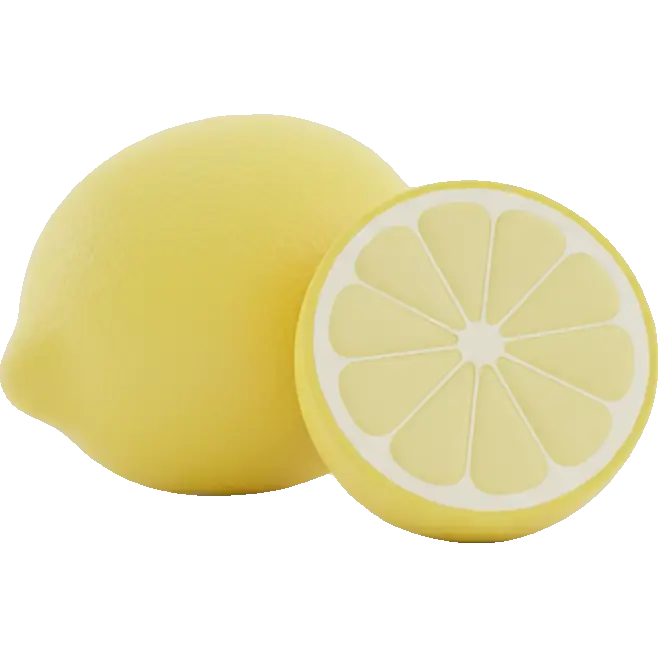
Miracle fruit is a small red West African berry whose entire point is a trick of perception. Its pulp contains miraculin, a glycoprotein that binds to the sweet receptors on your tongue and sits there inert until acid arrives, at which point it switches them on. Eat a berry, then bite a lemon, and the lemon tastes like lemonade. The effect lasts somewhere around thirty minutes to an hour, occasionally longer, and it wears off as saliva clears the protein. Commercially it has a strange history: in the 1970s a company was preparing to sell miraculin as a natural sweetener until the FDA classified it as a food additive rather than generally recognised as safe, which killed the product. Today the berries and freeze dried tablets are sold as food rather than as an approved sweetener. On the trigger columns the berry itself is undemanding: A for oxalates, nickel, gluten, lactose, dairy protein, free glutamates, sulfites, nitrites, caffeine and nightshades, with mild B grades for histamine and salicylates and unrated FODMAP columns. The risk on this page is not the berry. It is what the berry persuades you to eat afterwards.
Watch for
- The real hazard is the acid you eat while it is working.Flavour tripping sessions run on lemons, limes, grapefruit, vinegar, pickles and hot sauce, and people get through quantities they would never manage sober because the sourness that normally stops them has been switched off. Lemon and lime both grade D as histamine liberators in this database, so a session is an easy way to load up on liberators without noticing
- Tooth enamel and reflux are the other side of the same problem.Sourness is a protective signal, and removing it for an hour means concentrated acid sits on your teeth and in your oesophagus for longer than you would ever tolerate normally. Rinse with water afterwards, and do not brush straight away
- It disables your own feedback.If you are running an elimination diet or a food challenge, appetite and taste are part of how you pace a portion, and miraculin takes them away for the duration. Do not schedule a challenge food during the window
- Most people take it as freeze dried tablets rather than fresh fruit, because the berry is highly perishable.Tablets are a manufactured product and can contain binders, fillers and flow agents, so read the label if you react to additives rather than foods
- FODMAP columns are unrated, but this is one case where that hardly matters.Nobody eats miracle fruit by the bowlful, and a single berry is a negligible portion of anything





Explore related in Fruit
Compare similar foods to build a personalized list of swaps that work for your system.

Caffeine Guide
Everything you need to know about caffeine sensitivity and smart food choices.
Caffeine is a natural stimulant found in coffee, tea, chocolate, and many soft drinks. While safe for most people, those with caffeine sensitivity may experience anxiety, rapid heartbeat, digestive issues, or sleep disturbances even from small amounts.
Sensitivity varies widely. What triggers one person may be fine for another. Track your reactions to find your personal threshold.






These foods have moderate levels and may be tolerated in small amounts:








These foods are high in caffeine and may trigger symptoms:






If you're sensitive to Caffeine, consider these strategies:
- 1Gradually reduce caffeine to avoid withdrawal headaches
- 2Switch to decaf versions of your favorite drinks
- 3Be aware of hidden caffeine in chocolate and some medications
- 4Try herbal alternatives like rooibos or peppermint tea
- 5Caffeine sensitivity can change with age and stress levels
Pro tip: Keep a food diary to track your reactions. The Triggerbites app makes this easy with automatic pattern detection.
Want personalized tracking?
Download Triggerbites to log meals, track symptoms, and discover your unique triggers.
Get the AppFAQ
Is miracle fruit high in Caffeine?
Caffeine: low signal for most people.
Can I still eat miracle fruit if I'm sensitive to Caffeine?
Usually fine in normal portions.
What else should I check?
Check Keto, Histamine, and Salicylates next for a fuller picture.