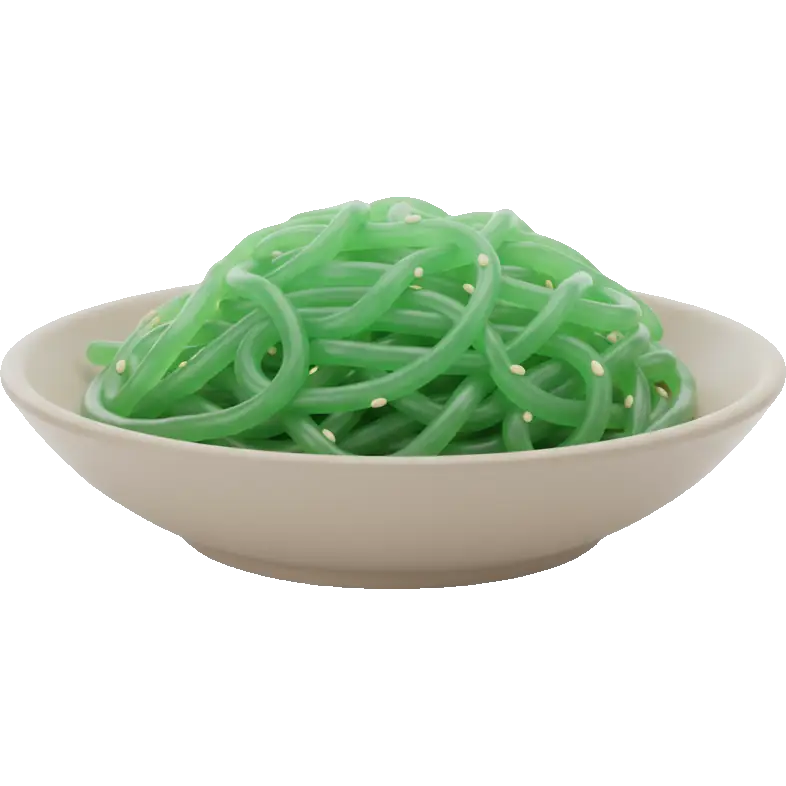
seaweed
Vegetables
Is seaweed buddhist vegetarian-compatible?
See whether seaweed fits a buddhist vegetarian diet, with a clear compatible-or-avoid verdict plus its FODMAP, histamine and other trigger ratings in one place.
Related checkers
Compare seaweed across criteria
Sensitivity notes
Why buddhist vegetarian diet checker matters
Buddhist Vegetarian affects how your body responds to certain foods. Understanding your personal tolerance helps you make informed choices.
- Keep a detailed food and symptom diary to track your personal reactions
- Eliminate the suspected trigger completely for 2-4 weeks
- Reintroduce gradually to find your personal tolerance threshold
- Work with a healthcare provider or registered dietitian for guidance
- Remember that food sensitivities can change over time
Sensitivities
What seaweed contains
FODMAPs
Histamine & Amines
Plant compounds
Irritants
Additives
Allergens
Diet fit
Where seaweed fits
Therapeutic diets
Lifestyle diets
Religious diets
What to know about seaweed
Seaweed looks like the cleanest thing on the plate and it is not. It is graded high in salicylates and high in free glutamate, moderate on histamine and moderate on nickel, which is an unusual four way stack for a vegetable. The thing it is best known for medically is iodine: kelp type seaweeds concentrate it to a degree no other food comes close to, and a single gram of dried kombu can carry more than the entire adult daily upper limit. That matters in both directions, because too much iodine and too little both push the thyroid off balance. If seaweed salad, miso with wakame or nori snacks show up in your reaction log, there are at least four separate mechanisms worth separating.
Watch for
- Iodine is the headline.Kombu and other kelps average in the low thousands of micrograms of iodine per gram dried, against an adult tolerable upper intake of 1,100 micrograms a day, so one gram can exceed the daily ceiling several times over. Nori sits far lower, wakame in between
- Graded high in free glutamate, and for good reason: kombu is the food glutamate was first isolated from, and dashi broth works because of it.If MSG style reactions such as head pressure or flushing are on your list, seaweed broth belongs in the same bucket as added MSG
- Graded high in salicylates, which puts it out of bounds on a strict salicylate elimination even though it reads as a plain green vegetable
- Moderate histamine and moderate nickel.Seaweed is grown in seawater and takes up trace metals with it, which makes it a repeat offender in systemic nickel allergy, and the dried and fermented forms lift the amine load further
- Hijiki is a special case: several national food agencies including the UK, Australia, New Zealand and Canada advise avoiding it because of inorganic arsenic levels, a chemical issue separate from every trigger above.Salted seaweed snacks also carry a lot of sodium







Explore related in Vegetables
Compare similar foods to build a personalized list of swaps that work for your system.



Buddhist Vegetarian Guide
Everything you need to know about buddhist vegetarian compatibility and smart food choices.
Buddhist Vegetarian affects how your body responds to certain foods. Understanding your personal tolerance helps you make informed choices.
These foods are typically compatible with a Buddhist Vegetarian approach:
View all safe options






Practical guidance for following a Buddhist Vegetarian diet:
- 1Keep a detailed food and symptom diary to track your personal reactions
- 2Eliminate the suspected trigger completely for 2-4 weeks
- 3Reintroduce gradually to find your personal tolerance threshold
- 4Work with a healthcare provider or registered dietitian for guidance
- 5Remember that food sensitivities can change over time
Pro tip: Keep a food diary to track your reactions. The Triggerbites app makes this easy with automatic pattern detection.
Want personalized tracking?
Download Triggerbites to log meals, track symptoms, and discover your unique triggers.
Get the AppFAQ
Does seaweed fit a buddhist vegetarian diet?
Buddhist Vegetarian: fits well for most plans.
What if I eat it occasionally?
Still check preparation and add-ins.
What are safer swaps?
Compare within the Vegetables group.