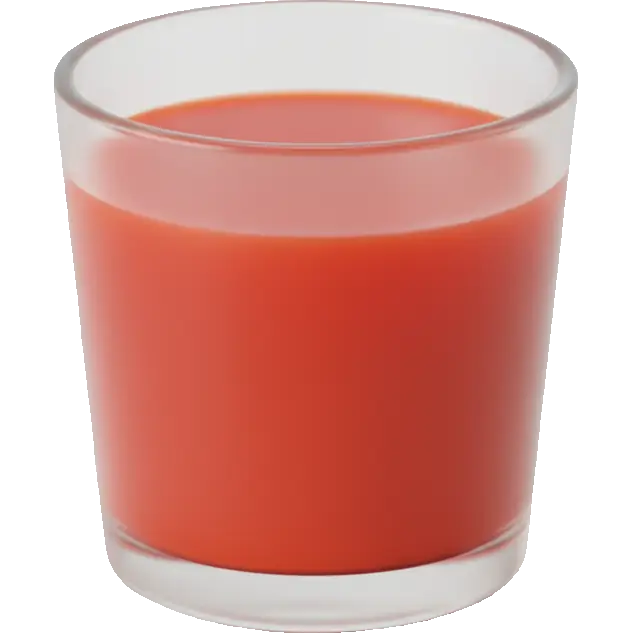
tomato juice
Beverages
Is tomato juice inflammation-compatible?
See whether tomato juice fits an inflammation diet, with a clear compatible-or-avoid verdict plus its FODMAP, histamine and other trigger ratings in one place.
Related checkers
Compare tomato juice across criteria
Sensitivity notes
Why inflammation diet checker matters
An anti-inflammatory diet focuses on foods that help reduce chronic inflammation in the body. It emphasizes fruits, vegetables, fatty fish, nuts, and whole grains while limiting processed foods, refined sugars, and certain oils.
- Focus on omega-3 rich foods like fatty fish, walnuts, and flaxseed
- Colorful fruits and vegetables provide anti-inflammatory antioxidants
- Extra virgin olive oil is a cornerstone of anti-inflammatory eating
- Limit refined sugars, processed foods, and industrial seed oils
- Turmeric and ginger are powerful anti-inflammatory spices
Sensitivities
What tomato juice contains
FODMAPs
Histamine & Amines
Plant compounds
Irritants
Additives
Allergens
Diet fit
Where tomato juice fits
Therapeutic diets
Lifestyle diets
Religious diets
What to know about tomato juice
Tomato juice is a nightshade in a glass, and it is one of the more concentrated ways to drink one. It grades C for nightshade, C for free glutamate, C for histamine liberation and C for AIP compliance, with borderline B grades running across histamine, tyramine, salicylates, sulfites, total FODMAPs and excess fructose. The number that matters is not on the chart: a single glass is several tomatoes reduced to liquid with no fibre to slow it down, and standard canned versions add several hundred milligrams of sodium per serving. Whole tomato grades higher than tomato juice on our nightshade and glutamate columns, but volume closes that gap fast, so treat a large glass as a real nightshade exposure rather than a light one.
Watch for
- Nightshade C, so it counts against a nightshade elimination and it is excluded on AIP.People who have cut potatoes and peppers often keep drinking tomato juice without registering it as the same family
- Free glutamate C.Tomato is naturally one of the most glutamate-rich plants and juicing concentrates it, which is why the drink tastes savoury rather than fruity. Some brands add MSG or flavourings on top of that
- Histamine liberation C alongside a borderline B for histamine itself.Pasteurised juice that has been open in the fridge for days is the version most likely to cause flushing or a headache
- Sodium load.Regular canned tomato juice is salted heavily, which is why it grades only a B for DASH. Low-sodium versions exist and are a genuinely different product
- Bloody Mary and clamato style mixes stack the problem: worcestershire brings anchovy and vinegar, hot sauce brings more nightshade, and celery salt brings more sodium




Explore related in Beverages
Compare similar foods to build a personalized list of swaps that work for your system.


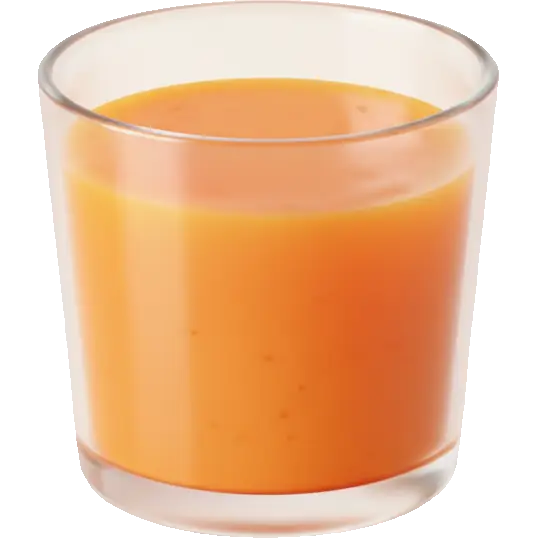


Inflammation Guide
Everything you need to know about inflammation compatibility and smart food choices.
An anti-inflammatory diet focuses on foods that help reduce chronic inflammation in the body. It emphasizes fruits, vegetables, fatty fish, nuts, and whole grains while limiting processed foods, refined sugars, and certain oils.
These foods are typically compatible with a Inflammation approach:
View all safe options





Practical guidance for following a Inflammation diet:
- 1Focus on omega-3 rich foods like fatty fish, walnuts, and flaxseed
- 2Colorful fruits and vegetables provide anti-inflammatory antioxidants
- 3Extra virgin olive oil is a cornerstone of anti-inflammatory eating
- 4Limit refined sugars, processed foods, and industrial seed oils
- 5Turmeric and ginger are powerful anti-inflammatory spices
Pro tip: Keep a food diary to track your reactions. The Triggerbites app makes this easy with automatic pattern detection.
Want personalized tracking?
Download Triggerbites to log meals, track symptoms, and discover your unique triggers.
Get the AppFAQ
Does tomato juice fit an inflammation diet?
Inflammation: fits well for most plans.
What if I eat it occasionally?
Still check preparation and add-ins.
What are safer swaps?
Compare within the Beverages group.