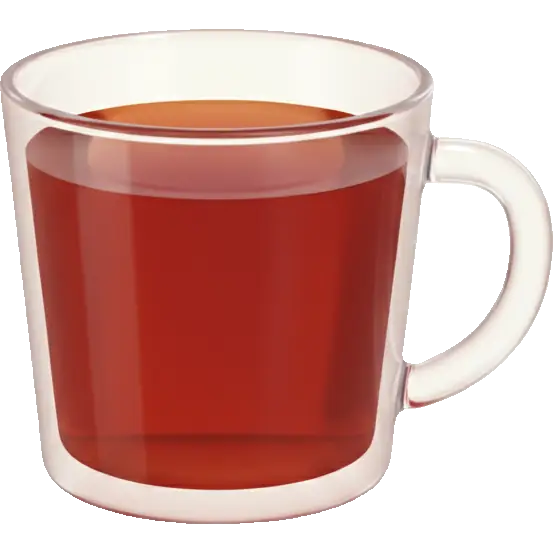
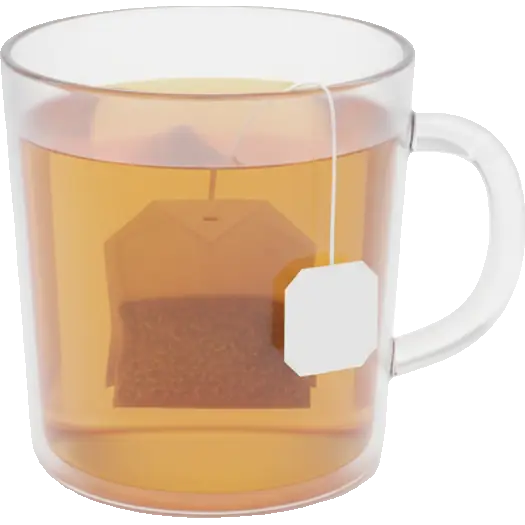
red rooibos tea
Beverages
Is red rooibos tea inflammation-compatible?
See whether red rooibos tea fits an inflammation diet, with a clear compatible-or-avoid verdict plus its FODMAP, histamine and other trigger ratings in one place.
Related checkers
Compare red rooibos tea across criteria
Sensitivity notes
Why inflammation diet checker matters
An anti-inflammatory diet focuses on foods that help reduce chronic inflammation in the body. It emphasizes fruits, vegetables, fatty fish, nuts, and whole grains while limiting processed foods, refined sugars, and certain oils.
- Focus on omega-3 rich foods like fatty fish, walnuts, and flaxseed
- Colorful fruits and vegetables provide anti-inflammatory antioxidants
- Extra virgin olive oil is a cornerstone of anti-inflammatory eating
- Limit refined sugars, processed foods, and industrial seed oils
- Turmeric and ginger are powerful anti-inflammatory spices
Sensitivities
What red rooibos tea contains
FODMAPs
Histamine & Amines
Plant compounds
Irritants
Additives
Allergens
Diet fit
Where red rooibos tea fits
Therapeutic diets
Lifestyle diets
Religious diets
What to know about red rooibos tea
Red rooibos is not tea. It is the oxidised leaf and fine stem of Aspalathus linearis, a fynbos shrub that grows commercially in one corner of South Africa and essentially nowhere else, which is why it is naturally caffeine free rather than decaffeinated: there was never caffeine in it to remove. It is also unusually low in tannins, so it does not turn bitter and astringent if you leave the bag in, and unlike strong black tea it does not meaningfully blunt iron absorption, which is a large part of why South African families give it to children. Where rooibos is not clean is salicylates: it grades high there, the same flag black and green tea carry, so caffeine free does not mean trigger free. On everything else it reads clear, with no histamine, gluten, lactose, sulfite, nickel or glutamate flags, and it is graded strongly anti-inflammatory.
Watch for
- High in salicylates, which is the one real caveat.People who move to rooibos to escape caffeine and still get headaches, itching or a stuffy nose are often reacting to the salicylate load rather than missing something else
- Naturally caffeine free, not decaffeinated, so there is no residual caffeine to budget for the way there is with decaf coffee or decaf black tea
- Graded moderate on FODMAPs, so several strong mugs across a day is a different exposure from one cup, particularly on a strict elimination phase
- Oxalate is unrated in our data for rooibos.Its famously low tannin content is often read as a low oxalate claim, but tannins and oxalates are unrelated chemistry, so we make no oxalate claim here
- Rooibos lattes, chai-style red blends and flavoured supermarket versions bring their own triggers: milk, added spice, citrus peel, vanilla flavouring and sugar.Grade what is in the bag, not the bush



Explore related in Beverages
Compare similar foods to build a personalized list of swaps that work for your system.



Inflammation Guide
Everything you need to know about inflammation compatibility and smart food choices.
An anti-inflammatory diet focuses on foods that help reduce chronic inflammation in the body. It emphasizes fruits, vegetables, fatty fish, nuts, and whole grains while limiting processed foods, refined sugars, and certain oils.
These foods are typically compatible with a Inflammation approach:
View all safe options






Practical guidance for following a Inflammation diet:
- 1Focus on omega-3 rich foods like fatty fish, walnuts, and flaxseed
- 2Colorful fruits and vegetables provide anti-inflammatory antioxidants
- 3Extra virgin olive oil is a cornerstone of anti-inflammatory eating
- 4Limit refined sugars, processed foods, and industrial seed oils
- 5Turmeric and ginger are powerful anti-inflammatory spices
Pro tip: Keep a food diary to track your reactions. The Triggerbites app makes this easy with automatic pattern detection.
Want personalized tracking?
Download Triggerbites to log meals, track symptoms, and discover your unique triggers.
Get the AppFAQ
Does red rooibos tea fit an inflammation diet?
Inflammation: fits well for most plans.
What if I eat it occasionally?
Still check preparation and add-ins.
What are safer swaps?
Compare within the Beverages group.