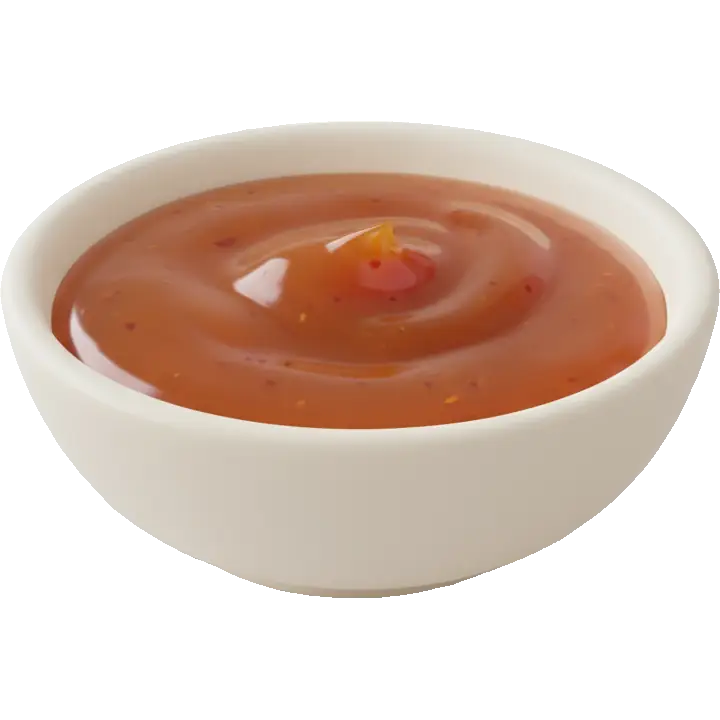
plum sauce
Condiments & Sauces
Is plum sauce inflammation-compatible?
See whether plum sauce fits an inflammation diet, with a clear compatible-or-avoid verdict plus its FODMAP, histamine and other trigger ratings in one place.
Related checkers
Compare plum sauce across criteria
Sensitivity notes
Why inflammation diet checker matters
An anti-inflammatory diet focuses on foods that help reduce chronic inflammation in the body. It emphasizes fruits, vegetables, fatty fish, nuts, and whole grains while limiting processed foods, refined sugars, and certain oils.
- Focus on omega-3 rich foods like fatty fish, walnuts, and flaxseed
- Colorful fruits and vegetables provide anti-inflammatory antioxidants
- Extra virgin olive oil is a cornerstone of anti-inflammatory eating
- Limit refined sugars, processed foods, and industrial seed oils
- Turmeric and ginger are powerful anti-inflammatory spices
Sensitivities
What plum sauce contains
FODMAPs
Histamine & Amines
Plant compounds
Irritants
Additives
Allergens
Diet fit
Where plum sauce fits
Therapeutic diets
Lifestyle diets
Religious diets
What to know about plum sauce
Plum sauce is one of the highest polyol foods we grade. Plums are the classic sorbitol fruit, the same sugar alcohol that makes prunes work as a laxative, and boiling them down with sugar and vinegar into a thick glaze concentrates it further. That gives plum sauce our top grade for polyols, our top grade for FODMAPs overall, and our worst grade for low-fermentation and SIBO diets, all in a portion the size of a dipping dish. Moderate excess fructose and moderate fructans sit under that, so a single sauce can hit three FODMAP groups at once. What surprises people is what plum sauce is not. Unlike the fermented soy condiments it sits next to on the table, it grades clean for histamine, tyramine, gluten, lactose and dairy protein, because it is fruit, sugar and acid rather than brewed soybean. If duck pancakes leave you bloated and gassy but never flushed or headachy, that split is the reason.
Watch for
- Our top grade for polyols.Sorbitol is osmotic, meaning it pulls water into the bowel, and it does that at doses small enough to fit in a dipping saucer
- Highest FODMAP grade overall, with moderate excess fructose and moderate fructans underneath, so three separate fermentable groups arrive together
- Our worst grade for low-fermentation and SIBO protocols, which makes it one of the first condiments to remove if you are following one
- Moderate sulfites, which is normal for a preserved fruit base with vinegar.Relevant if sulfites give you wheezing, flushing or headache
- Graded pro-inflammatory, since the finished sauce is mostly sugar by weight, and moderate for both salicylates and oxalate



Explore related in Condiments & Sauces
Compare similar foods to build a personalized list of swaps that work for your system.




Inflammation Guide
Everything you need to know about inflammation compatibility and smart food choices.
An anti-inflammatory diet focuses on foods that help reduce chronic inflammation in the body. It emphasizes fruits, vegetables, fatty fish, nuts, and whole grains while limiting processed foods, refined sugars, and certain oils.
These foods are typically compatible with a Inflammation approach:
View all safe options







Practical guidance for following a Inflammation diet:
- 1Focus on omega-3 rich foods like fatty fish, walnuts, and flaxseed
- 2Colorful fruits and vegetables provide anti-inflammatory antioxidants
- 3Extra virgin olive oil is a cornerstone of anti-inflammatory eating
- 4Limit refined sugars, processed foods, and industrial seed oils
- 5Turmeric and ginger are powerful anti-inflammatory spices
Pro tip: Keep a food diary to track your reactions. The Triggerbites app makes this easy with automatic pattern detection.
Want personalized tracking?
Download Triggerbites to log meals, track symptoms, and discover your unique triggers.
Get the AppFAQ
Does plum sauce fit an inflammation diet?
Inflammation: avoid for strict plans.
What if I eat it occasionally?
Occasional use may break strict plans.
What are safer swaps?
Compare within the Condiments & Sauces group.