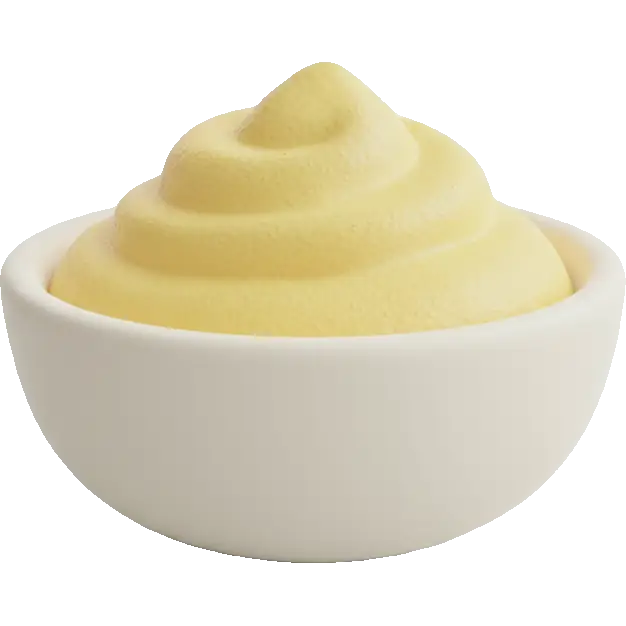
korma paste
Condiments & Sauces
Is korma paste inflammation-compatible?
See whether korma paste fits an inflammation diet, with a clear compatible-or-avoid verdict plus its FODMAP, histamine and other trigger ratings in one place.
Related checkers
Compare korma paste across criteria
Sensitivity notes
Why inflammation diet checker matters
An anti-inflammatory diet focuses on foods that help reduce chronic inflammation in the body. It emphasizes fruits, vegetables, fatty fish, nuts, and whole grains while limiting processed foods, refined sugars, and certain oils.
- Focus on omega-3 rich foods like fatty fish, walnuts, and flaxseed
- Colorful fruits and vegetables provide anti-inflammatory antioxidants
- Extra virgin olive oil is a cornerstone of anti-inflammatory eating
- Limit refined sugars, processed foods, and industrial seed oils
- Turmeric and ginger are powerful anti-inflammatory spices
Sensitivities
What korma paste contains
FODMAPs
Histamine & Amines
Plant compounds
Irritants
Additives
Allergens
Diet fit
Where korma paste fits
Therapeutic diets
Lifestyle diets
Religious diets
What to know about korma paste
Korma is the curry people order when they want something gentle, and that assumption is exactly what makes korma paste worth a page. Mild refers to chili heat, and chili heat is not what the paste is mostly made of. A typical korma base is onion and garlic cooked down until sweet, ground almonds or cashews for body, and cream, yoghurt or coconut for richness, plus coriander, cardamom and other warm spices. That produces a high fructan and FODMAP grade, a real tree-nut exposure, a moderate dairy-protein grade and one of the worst EoE compatibility grades of any curry base, all in a dish marketed as the safe option on the menu. Jarred pastes add their own problems: they grade only moderate for gluten because wheat flour and non-certified processing are common, and the salt and fat load pushes the DASH grade down.
Watch for
- High fructan and FODMAP grade.The mildness comes from cooking down more onion and garlic for sweetness, not from using less of them, so the gentlest-tasting curry on the menu can carry the heaviest fructan load
- Tree nuts are structural, not optional.Ground almond or cashew is what gives korma its body, so a korma paste is a nut exposure even when the label does not shout about it. Check every jar if you avoid tree nuts
- Moderate dairy-protein grade with mild lactose, from the yoghurt, cream or milk solids used to soften the paste.This is why korma is one of the harder curries to make genuinely dairy-free, and why its vegan grade is only borderline
- Poor EoE compatibility, because the paste stacks dairy, tree nut and often wheat, three of the standard elimination foods, into one ingredient
- Moderate gluten grade for jarred pastes.Wheat flour is used as a thickener in some brands and shared-line processing is common, so do not assume a curry paste is gluten free without a certified label
- Moderate histamine and tyramine grades.A long-life jar of paste built on nuts and dairy is not the same as spices ground fresh that evening



Explore related in Condiments & Sauces
Compare similar foods to build a personalized list of swaps that work for your system.




Inflammation Guide
Everything you need to know about inflammation compatibility and smart food choices.
An anti-inflammatory diet focuses on foods that help reduce chronic inflammation in the body. It emphasizes fruits, vegetables, fatty fish, nuts, and whole grains while limiting processed foods, refined sugars, and certain oils.
These foods are typically compatible with a Inflammation approach:
View all safe options







Practical guidance for following a Inflammation diet:
- 1Focus on omega-3 rich foods like fatty fish, walnuts, and flaxseed
- 2Colorful fruits and vegetables provide anti-inflammatory antioxidants
- 3Extra virgin olive oil is a cornerstone of anti-inflammatory eating
- 4Limit refined sugars, processed foods, and industrial seed oils
- 5Turmeric and ginger are powerful anti-inflammatory spices
Pro tip: Keep a food diary to track your reactions. The Triggerbites app makes this easy with automatic pattern detection.
Want personalized tracking?
Download Triggerbites to log meals, track symptoms, and discover your unique triggers.
Get the AppFAQ
Does korma paste fit an inflammation diet?
Inflammation: mixed fit - check ingredients.
What if I eat it occasionally?
Keep portions small and verify ingredients.
What are safer swaps?
Compare within the Condiments & Sauces group.